




The Hardy Hibiscus
A quintessential sight in Indian gardens, the hibiscus is a true monsoon performer. While it blooms almost year-round, the cooler, humid weather of the rainy season encourages even more abundant flowering. Its large, trumpet-shaped blossoms in shades
of red, pink, yellow, and white attract butterflies and add a tropical touch to any urban space. For balcony gardeners, the key is ensuring excellent drainage; while hibiscus loves moisture, its roots shouldn't sit in stagnant water. A pot with ample drainage holes and well-draining soil is crucial. It thrives with about four to six hours of sunlight, so a spot that gets good light after the rain clouds pass is ideal. Regular pruning after the main flush of blooms will keep the plant healthy and encourage more flowers.
The Cheerful Balsam
Balsam, often called Gulmehndi, is one of the easiest and most rewarding flowers to grow during the monsoon. It bursts into a profusion of delicate pink, purple, red, and white flowers that bloom from July through September. This plant loves moist soil and the humid conditions of the season, making it perfectly suited for pots on a balcony. Balsam prefers partial sunlight, so it does well in spots that might be too shady for other plants. It grows quickly from seed, and its continuous blooming can brighten up any corner. The main care tip is to keep the soil consistently moist but not waterlogged. After the flowering season, you can easily collect its seeds for the next year.
The Resilient Marigold
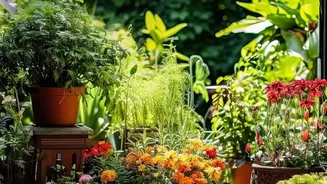
Marigolds are a staple in Indian households for good reason. These hardy flowers are incredibly resilient and continue to offer their cheerful golden and orange hues even through heavy showers. They are a fantastic choice for balconies because they are relatively low-maintenance and can withstand wet conditions as long as they are in pots with good drainage. Marigolds are also known to be natural pest repellents, which is an added bonus during the damp monsoon season when pests can be more common. They love the sun, so placing them in a spot where they can soak up the rays between rains will ensure a continuous display of bright, festive blooms. Regularly pinching off spent flowers will encourage the plant to produce more.
The Vibrant Zinnia
For a guaranteed explosion of colour, zinnias are an excellent choice. These daisy-like flowers come in a vast spectrum of colours and stand up remarkably well to rain. They are easy to grow from seed directly in pots and can start blooming in about two months. Zinnias are sun-lovers, requiring at least six hours of direct sunlight to produce the most impressive blooms, so a sunny balcony is the perfect home for them. Good air circulation is important to prevent fungal issues like powdery mildew, so avoid overcrowding the plants. It's best to water zinnias at the base to keep the foliage dry. Their sturdy stems make them great for cutting, allowing you to bring the colours of your balcony garden indoors.
The Prolific Periwinkle
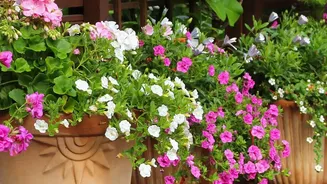
Known as Sadabahar, or “ever-blooming,” periwinkle lives up to its name by flowering reliably throughout the year, including the monsoon. It is exceptionally hardy, tolerating heavy rain and blooming continuously with minimal care, which makes it ideal for beginners. Available in lovely shades of pink, white, and lavender, periwinkle adds a soft yet persistent touch of colour to balconies. It thrives in both full sun and partial shade and is not demanding about soil, as long as it drains well. This plant's resilience and constant flowering make it a dependable choice for maintaining a colourful balcony with very little fuss, right through the end of the rains and beyond.