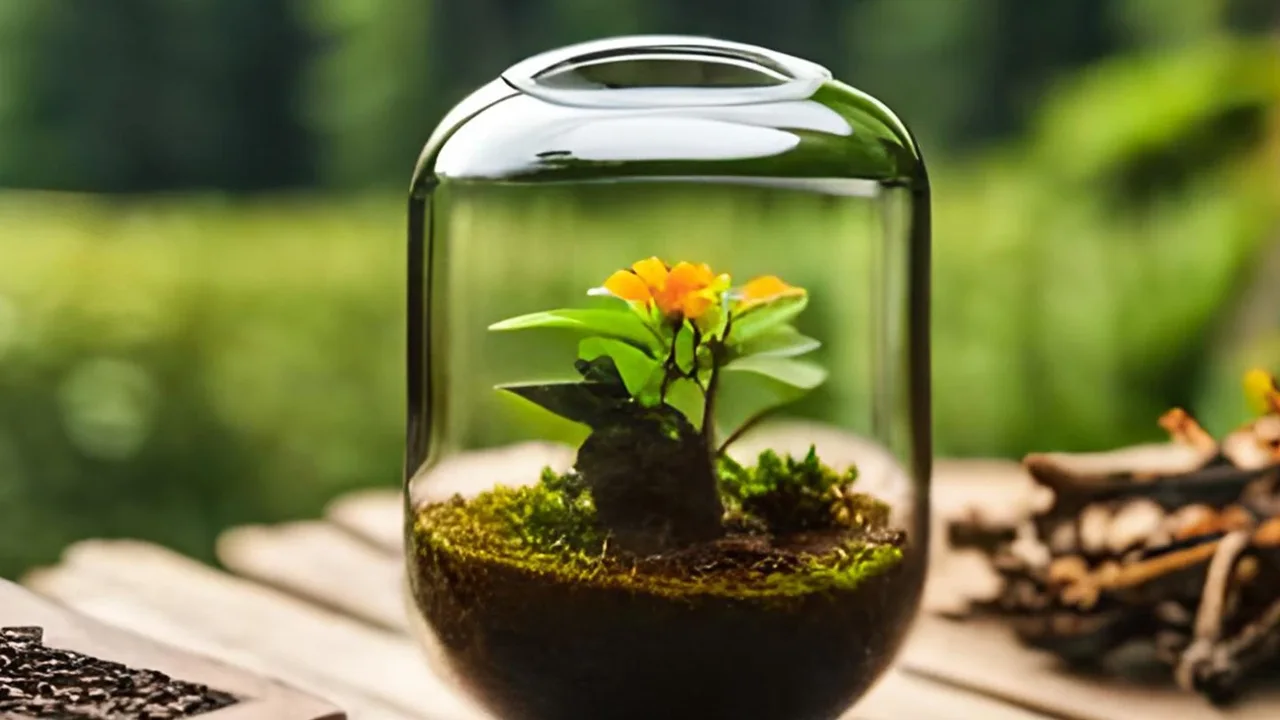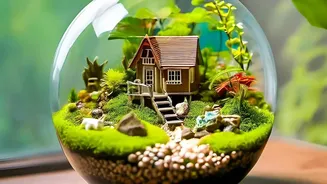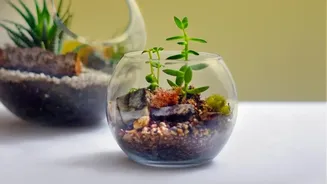


The Allure of the Miniature World
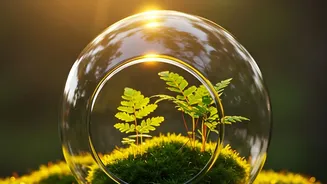
Moss gardens offer more than just a splash of green; they are tiny, self-contained ecosystems that bring a sense of calm and connection to nature indoors. Unlike many houseplants, moss thrives in low-light conditions and high humidity, making it perfectly
suited for terrariums. These ancient plants are incredibly resilient and have a unique, velvety texture that invites a closer look. The practice of creating these miniature landscapes, a key element of biophilic design, is known to reduce stress and improve focus by fostering a connection with the natural world. They require minimal upkeep, making them an ideal project for both seasoned plant lovers and beginners.
Gathering Your Supplies
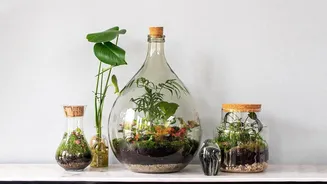
Creating a moss garden is a refreshingly simple process that doesn't require a long list of materials. You will need a clear glass container, which can be anything from a jam jar to a more elaborate geometric vessel. A lid is essential for a closed terrarium to maintain high humidity. The foundational layers consist of small pebbles for drainage, a thin layer of activated charcoal to keep the environment fresh, and a moisture-retentive substrate like coco coir or a special terrarium soil mix. Finally, you'll need the star of the show: live moss. Using a spray bottle with distilled or rainwater is also crucial, as tap water can contain chemicals harmful to moss.
Choosing the Right Moss
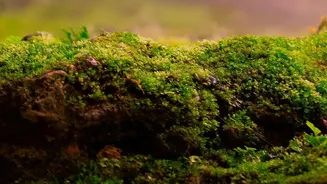
Not all moss is created equal, and your choice will define the look of your garden. Mosses are broadly categorized into two types: pleurocarpous, which grow in spreading, carpet-like sheets, and acrocarpous, which form upright, cushiony mounds. For a lush, forest-floor look, Sheet Moss is an excellent choice as it forms a flat, continuous carpet. For creating texture and small hills, Cushion Moss, also known as Pillow Moss, is ideal with its dense, clumping growth. Another popular option is Java Moss, often used in aquascaping, which can be draped over small rocks or driftwood to create a wild, naturalistic scene.
Step-by-Step Assembly
First, ensure your container is clean. Begin by adding a shallow layer of pebbles, about half an inch deep, for drainage. On top of this, sprinkle a thin layer of activated charcoal to filter impurities and prevent mould. Next, add a layer of sphagnum moss to act as a barrier, followed by your main substrate, such as coco coir. This layer only needs to be about an inch deep, as mosses don’t have deep roots. Now comes the creative part. Arrange any decorative stones or small pieces of driftwood. Gently press your chosen live moss onto the surface of the substrate; there is no need to bury it. You can use different types to create a varied landscape.
Care and Long-Term Maintenance
The key to a thriving moss garden is maintaining the right moisture balance. After assembly, mist the moss generously with distilled or rainwater until it's damp but not waterlogged. Then, secure the lid. A closed terrarium creates its own water cycle, so it will rarely need watering—perhaps only a light misting every few weeks or months. Condensation on the glass is a normal and healthy sign. Place your moss garden in a spot with bright, indirect light; direct sunlight will scorch the moss. To prevent stagnation and mould, it's a good idea to open the lid for about 30 minutes once a week to allow for some air circulation.