

What You're Looking For
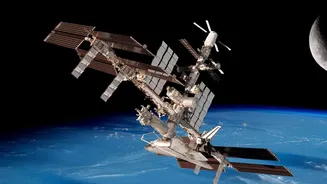
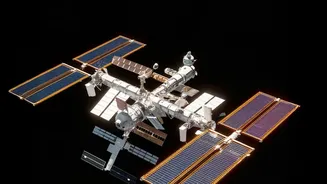
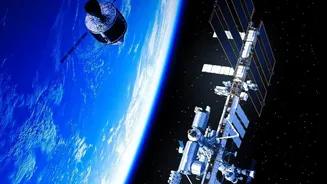
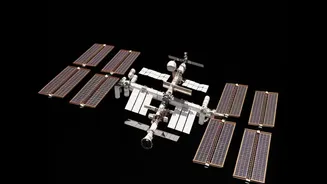
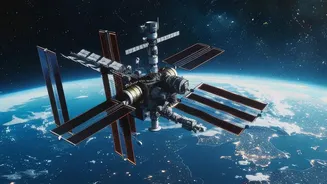
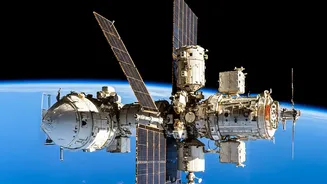
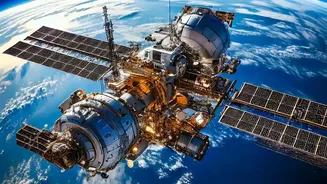
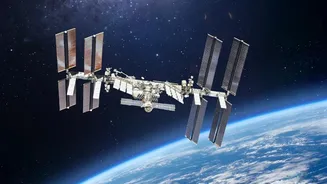
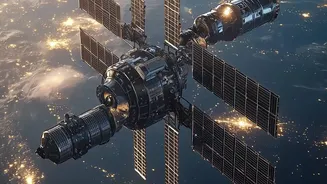
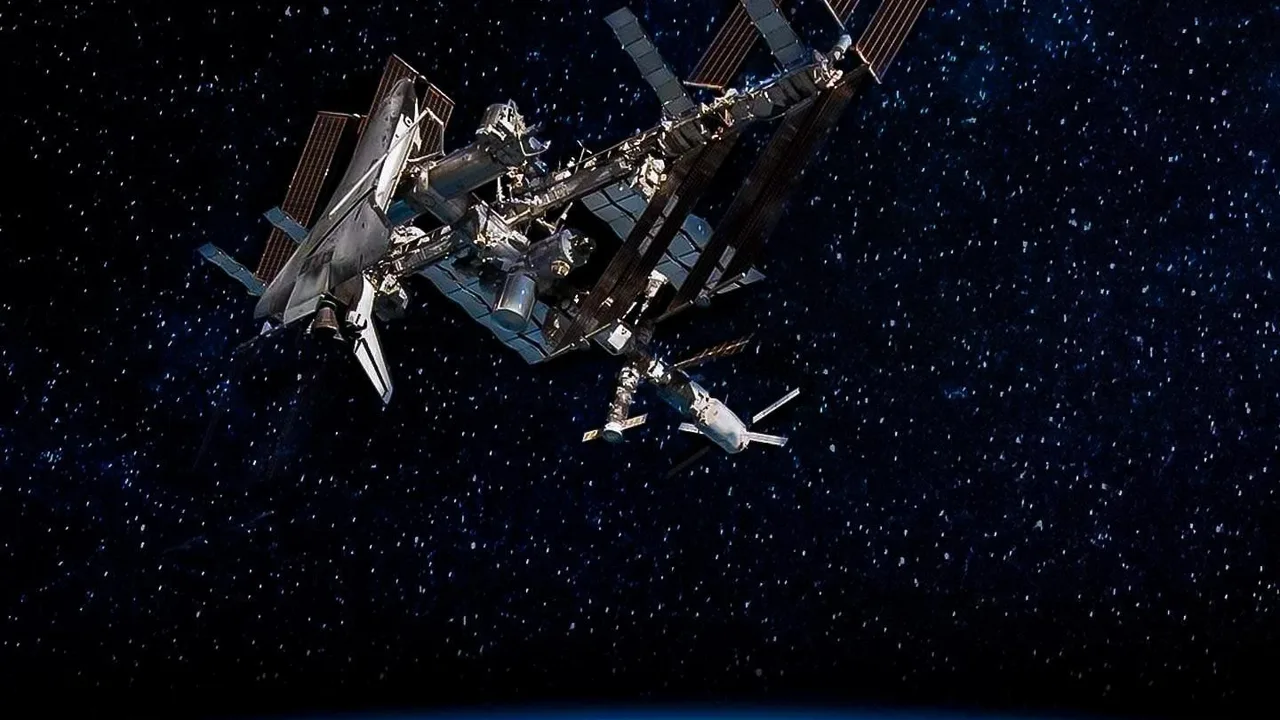
When you scan the sky for the International Space Station (ISS), you aren't looking for a blinking aeroplane or a distant, twinkling star. The ISS appears as a very bright, steady point of white light moving silently and swiftly across the night sky.
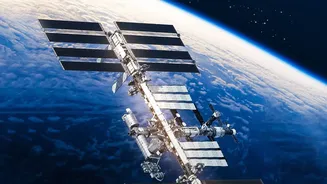
Think of it as a fast-moving star that doesn't flicker. It travels at roughly 28,000 kilometres per hour, allowing it to cross from one horizon to another in just a few minutes. Its brightness comes from the sun's light reflecting off its large solar panels. Because it has no flashing navigation lights like a commercial aircraft, its constant, unwavering glow is one of its most distinguishing features. The experience is often surprisingly quick, so it’s essential to know exactly when and where to look.
The Best Official Tool: NASA's Spot The Station
The most reliable way to get accurate sighting information is directly from the source. NASA operates a free service called 'Spot The Station,' which is designed for this exact purpose. You can visit the website and enter your location—or the nearest major Indian city like Delhi, Mumbai, Kolkata, or Chennai—to get a list of upcoming viewing opportunities. The service provides crucial details for each pass: the exact time it will become visible, the direction it will appear from (e.g., southwest), how long the sighting will last (typically between one and six minutes), and the maximum height it will reach in the sky. For even greater convenience, you can sign up for email or text message alerts, which will notify you a few hours before the ISS is scheduled to fly over your area. This simple tool removes all the guesswork and is the perfect starting point for any aspiring sky-watcher.
Helpful Apps for Your Smartphone
If you prefer having information at your fingertips, several excellent mobile applications can help you track the ISS in real time. Apps like 'ISS Detector' are incredibly popular because they use your phone's GPS to provide precise sighting data tailored to your exact location. They often feature countdown timers for upcoming passes and can even use your phone's compass to point you in the right direction. Another great option is 'Heavens-Above,' which started as a website but now also has an app. It offers detailed charts and predictions not just for the ISS but for many other satellites as well. Augmented reality apps such as 'SkyView Lite' allow you to point your phone at the sky and identify celestial objects, including the ISS as it passes. These tools are fantastic for getting instant, on-the-go information.
Timing Is Everything: When to Look Up
The ISS is only visible at certain times of the day, specifically at dawn and dusk. This is because of the unique lighting required. The sky in your location needs to be dark enough for the station to stand out, but the ISS itself, being in high orbit, must still be illuminated by the sun's rays. This perfect alignment happens for a short period just before sunrise and just after sunset. The station is essentially catching the last or first rays of sunlight while you remain in twilight or darkness on the ground. You will not be able to see it in the middle of the night when the Earth's shadow blocks the sun, nor during the day when the sky is too bright. A clear, cloudless sky is also essential for a successful sighting.
Your Simple Viewing Guide
Spotting the ISS requires no special equipment, just a little preparation. First, use one of the tools mentioned above to find the next visible pass for your location. Note the start time, duration, and the direction in which it will appear. About 15 minutes before the scheduled time, head outside to a spot with a clear view of the horizon, preferably away from bright city lights. Give your eyes a few minutes to adjust to the darkness. When the time comes, begin scanning the sky in the specified direction. A bright, non-blinking light will appear and glide smoothly across your field of view. Remember, it moves faster than you might expect, so be ready. The entire event is a peaceful and awe-inspiring moment, connecting you directly to the human endeavor in space.