

The Enemy of Wonder: Light Pollution
The greatest obstacle between you and a jaw-dropping celestial view is something called light pollution. It's the excessive and misdirected artificial light from streetlamps, buildings, and advertisements that floods the night. This light scatters in the atmosphere,
creating a persistent 'skyglow' that blankets our cities and towns. This glow dramatically reduces the contrast between the stars and the sky itself, effectively washing out all but the brightest objects like the moon and a few planets. More than 80% of the world's population now lives under light-polluted skies, making a truly dark night a rare and precious resource.
What You're Missing in the City Glow
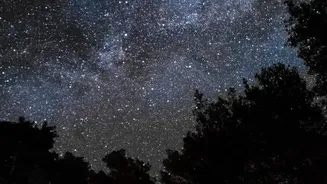
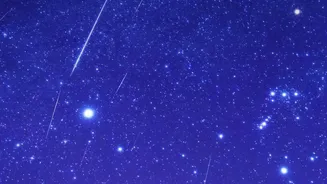
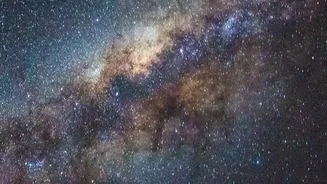
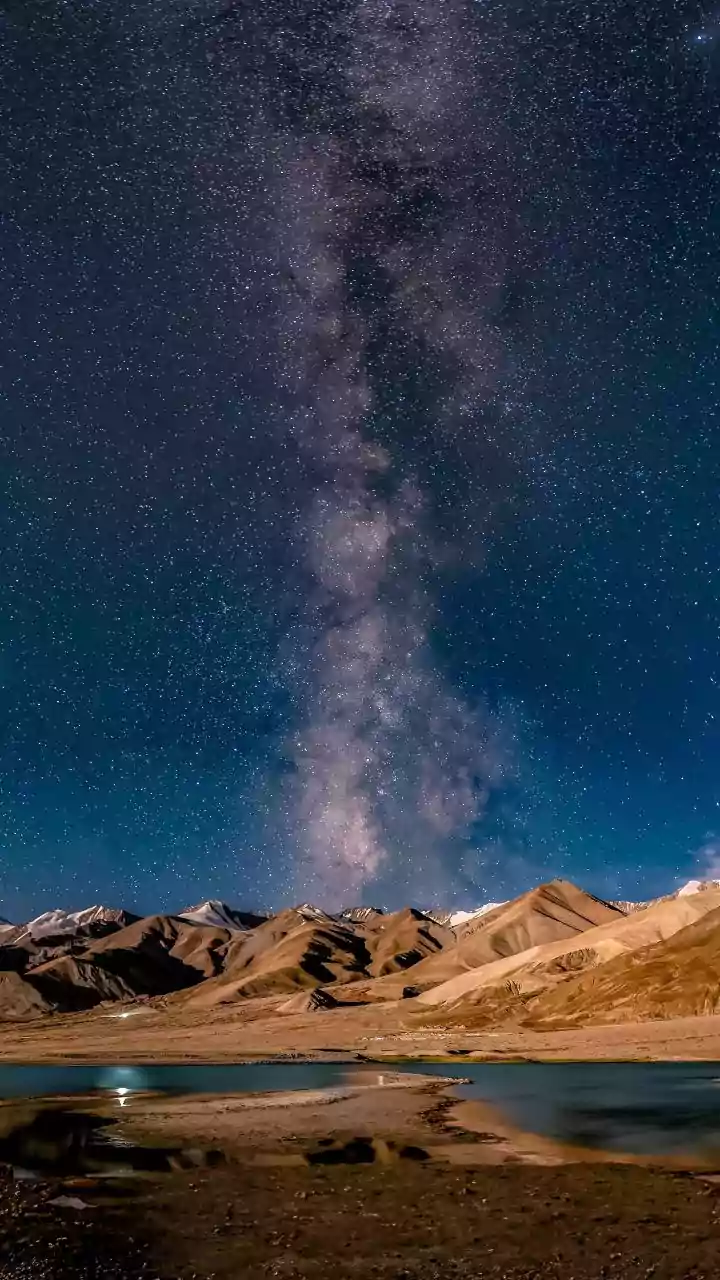
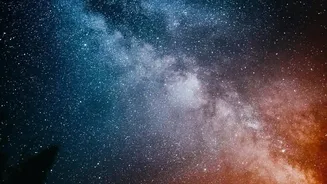
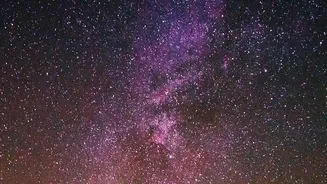
From a city balcony, you might count a few dozen stars. Under a truly dark sky, thousands are visible to the naked eye. The most spectacular casualty of light pollution is the Milky Way, our home galaxy. In a dark location, it appears as a brilliant, textured river of light stretching across the sky, so bright it can even cast a faint shadow. City dwellers also miss out on fainter constellations, mesmerizing meteor showers that streak across the darkness, and the humbling sight of distant galaxies like Andromeda, which is visible to the naked eye under the right conditions. It's not just about seeing more stars; it's about experiencing the universe in its proper scale and glory.
Hanle: India's First Dark Sky Reserve
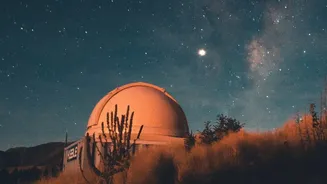
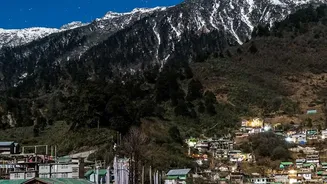
For the ultimate stargazing experience, look no further than Hanle in Ladakh. In 2022, it was officially designated as India's first Dark Sky Reserve, a globally recognized status for areas with exceptional starry nights and policies to protect them from light pollution. Situated at a breathtaking altitude of 4,500 metres, Hanle offers some of the clearest and darkest skies in Asia. The dry, thin air and minimal human settlement mean light pollution is virtually non-existent. This is why it's home to the Indian Astronomical Observatory. A trip here is a pilgrimage for serious astro-tourists wanting to see the cosmos in high definition.
Spiti Valley: A High-Altitude Haven
Another Himalayan jewel, Spiti Valley in Himachal Pradesh, is a paradise for stargazers. Its high-altitude cold desert landscape means clear, cloudless nights are common, especially from May to October. The region's remoteness and sparse population ensure minimal light interference. Villages like Langza, Komic, and Kibber are renowned for their pristine night skies, where the Milky Way is a constant and awe-inspiring presence. The experience is immersive; you're not just looking at the sky, you're enveloped by it in the profound silence of the mountains. Many homestays and camps in the area cater specifically to visitors who come for the celestial show.
Rann of Kutch: A Celestial Desert
For a completely different but equally magical experience, head to the Great Rann of Kutch in Gujarat. The vast, flat expanse of the white salt desert offers an unobstructed, horizon-to-horizon view of the sky. During the Rann Utsav (typically November to February), the cool, dry winter air provides crystal-clear conditions. Far from major cities, the darkness is profound. On a new moon night, the sky is a dense carpet of stars. Lying on the cool salt flats under a star-filled dome is an otherworldly experience, making it one of India's most unique stargazing destinations.
Coorg: A Southern Spectacle
You don't have to go to the Himalayas or a desert to find dark skies. In South India, the coffee plantations and misty hills of Coorg (Kodagu) in Karnataka offer excellent stargazing opportunities. Its location in the Western Ghats, with elevations between 900 and 1,500 metres, places it above the lowland haze. The region is sparsely populated, especially in the southern parts near the Brahmagiri Wildlife Sanctuary, which boasts exceptionally dark skies. The best viewing season is from November to May, after the monsoon clouds have cleared, offering a chance to see the southern sky's constellations in all their glory.
Planning Your Stargazing Trip
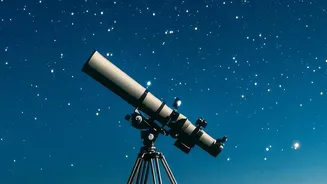
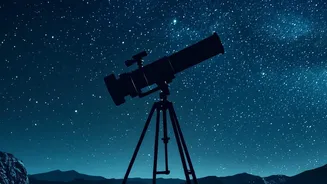
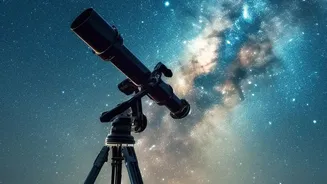
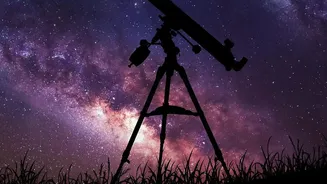
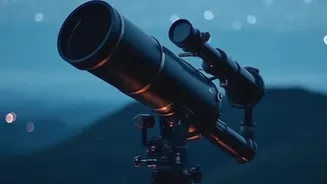
To make the most of your adventure, timing is everything. Plan your trip around the new moon, as a bright full moon can wash out the stars just like city lights. Pack warm layers, as even desert and tropical locations can get chilly at night. While a telescope is great, a good pair of binoculars can reveal stunning details of the moon, planets, and star clusters. Use a stargazing app on your phone, but be sure to switch it to 'red light mode'. White light from phones or torches ruins your night vision, which takes about 20-30 minutes to fully adapt to the dark.