





The Science of a Soaking
The core problem with jeans in the rain comes down to their primary material: cotton. Denim is a rugged cotton twill fabric, and cotton is known for its excellent absorbency. While this makes it comfortable and breathable in dry weather, it becomes a major
drawback when wet. Cotton fibres soak up a significant amount of water, making the fabric incredibly heavy and saturated. Unlike synthetic materials that tend to repel water, cotton holds onto it, which is why your jeans feel like they’ve doubled in weight after a downpour. This high absorption is the root cause of all the discomfort that follows.
The Endless Drying Game
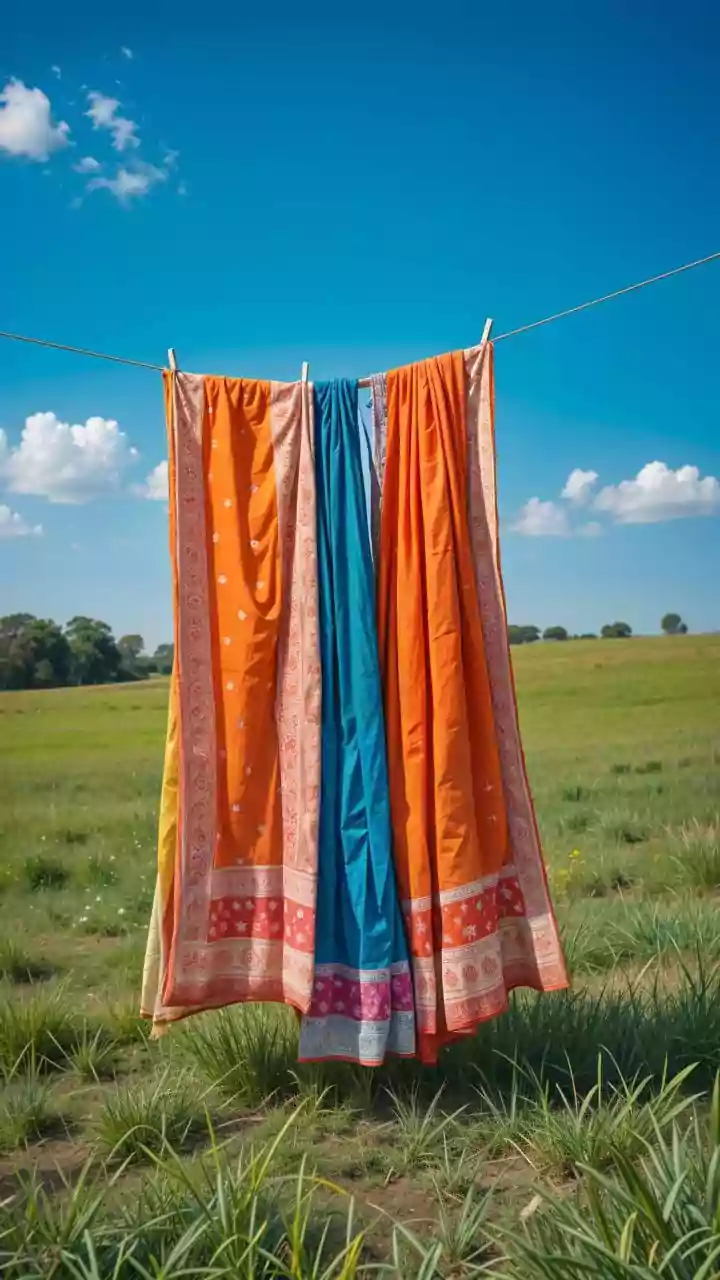
Once soaked, jeans take an notoriously long time to dry, a problem made worse by the high humidity of the Indian monsoon. Hanging a wet pair of jeans indoors can take anywhere from 24 to 48 hours to dry completely. During this extended drying period, especially in a damp environment, they can develop a distinct musty or mildewy smell. The thickest parts of the jeans, like the waistband, seams, and pocket areas, take the longest to dry, often remaining damp long after the rest of the garment feels dry to the touch. This makes them impractical for daily wear during a season where you might face rain frequently.
Comfort and Health Concerns
Walking around in heavy, wet jeans is more than just uncomfortable—it can also have health implications. The abrasive, wet fabric constantly rubbing against your skin can lead to painful chafing and irritation. More seriously, the damp, warm environment created between the wet denim and your skin is an ideal breeding ground for fungi and bacteria. This can lead to skin infections like ringworm or folliculitis, which appear as itchy, red rashes. Prolonged exposure to wet clothing compromises the skin's natural protective barrier, making it more vulnerable to these issues, particularly in sensitive areas.
Smarter Fabric Choices for Monsoon
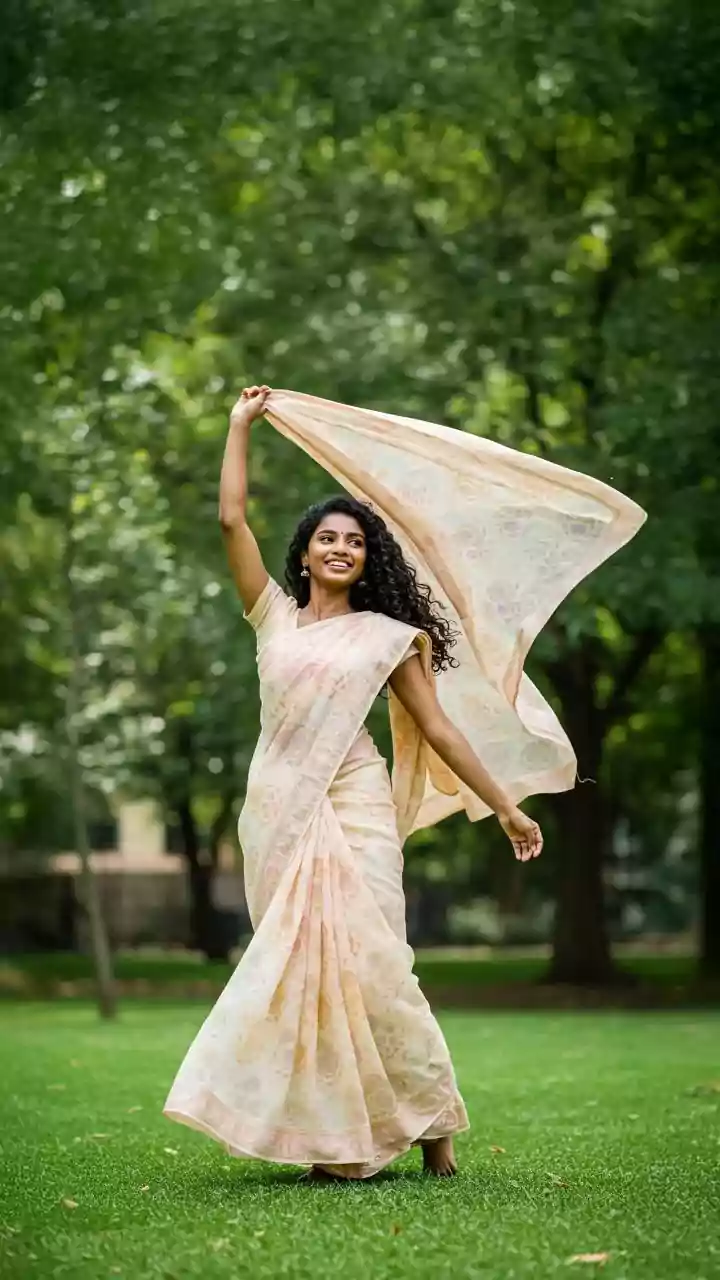
So, if jeans are off the table, what should you wear? The key is to opt for fabrics that are either water-resistant or quick-drying. Synthetics like polyester and nylon are excellent choices as they naturally repel water and dry very quickly when they do get wet. Lightweight cotton blends, which mix cotton with polyester or rayon, can also be a good compromise. They offer some of the breathability of cotton but with enhanced quick-drying properties. Fabrics like georgette and rayon are also popular choices for the rainy season, as they are lightweight, don't cling uncomfortably when damp, and allow for better airflow.
Practical Rainy Day Outfits
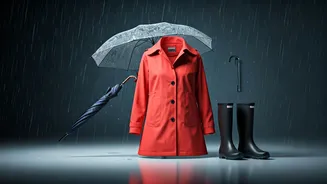
Instead of reaching for your denims, consider trousers or joggers made from a polyester blend. They are comfortable, stylish, and won't weigh you down if you get caught in the rain. For women, leggings made from synthetic, moisture-wicking materials are a practical option, as are shorter dresses and skirts made from fabrics like rayon or georgette to avoid soaking up puddle splashes. When choosing outfits, also consider darker colours, which are less likely to become transparent when wet and won't show mud stains as easily. Ultimately, the goal is to prioritize materials that keep you as dry and comfortable as possible, allowing you to navigate the monsoon with ease.