






1. Keep Your Body Moving
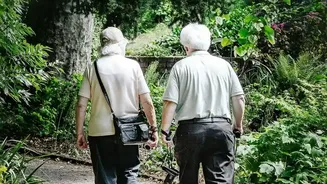
Regular physical activity is a cornerstone of healthy ageing. It's not about running marathons, but integrating consistent movement into your life. Exercise helps maintain a healthy weight, supports heart health, strengthens muscles and bones, and even
keeps your brain sharp. Experts recommend at least 150 minutes of moderate activity like brisk walking each week, plus a couple of days of strength-building exercises.
2. Fuel with a Nutrient-Rich Diet
What you eat profoundly impacts how you age. Research consistently points to diets rich in whole foods. Prioritise fruits, vegetables, lean proteins like fish and beans, and whole grains. Many long-lived populations follow a largely plant-based diet. Limiting processed foods, sugar, and unhealthy fats is just as important as eating the good stuff. This approach helps reduce the risk of many chronic diseases.
3. Nurture Your Social Circle
Strong social connections are vital for both mental and physical health. Studies of the world's longest-lived people show they maintain close-knit communities and strong family ties. Feeling a sense of belonging and having a support system can lower stress, improve emotional resilience, and may even add years to your life. Actively engaging with friends, family, and community groups is a powerful health habit.
4. Prioritise Quality Sleep
Never underestimate the power of a good night's rest. During sleep, your body and brain perform critical repair and maintenance functions, including clearing out toxins from the brain. Aiming for seven to nine hours of quality sleep per night is a non-negotiable for long-term health. Establishing a regular sleep routine helps regulate your body's internal clock, contributing to better overall function and a lower risk of dementia.
5. Find Ways to Manage Stress
Chronic stress accelerates the ageing process by promoting inflammation, which is linked to nearly every major age-related disease. Finding routines to shed stress is crucial. This doesn't require a dramatic life change; it can be as simple as daily meditation, prayer, taking a nap, or enjoying a relaxing hobby. The key is to find what works for you and practice it consistently.
6. Keep Your Mind Engaged
Your brain, like any muscle, benefits from a good workout. Lifelong learning and mental stimulation help maintain cognitive function and build resilience against age-related decline. This could involve reading, learning a new skill or language, doing puzzles, or engaging in complex conversations. Staying curious and mentally active is a key determinant of a sharp mind in later years.
7. Live with a Sense of Purpose
In communities known for longevity, residents often have a strong sense of purpose, which they call 'Ikigai' or 'plan de vida'— a reason to wake up in the morning. This sense of purpose, whether derived from work, family, volunteering, or hobbies, is linked to up to seven extra years of life expectancy. Having a clear purpose gives direction and contributes to overall well-being and satisfaction.
8. Develop a Positive Outlook
Your attitude and outlook on life play a significant role in how you age. A review identified a positive attitude as a key determinant of healthy ageing. This includes resilience, self-esteem, and a generally optimistic view. While not always easy, cultivating a positive mindset can help you navigate challenges and reduce the negative health impacts of stress.
9. Maintain Your Independence
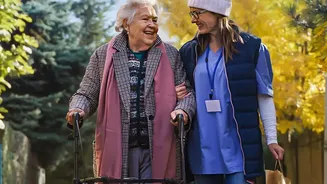
The ability to live independently and make your own choices is a core component of well-being in later life. This is often the result of the other habits on this list. By maintaining physical strength through exercise, cognitive function through learning, and financial security through planning, individuals can preserve their independence for longer. It's a goal that is supported by proactive health management throughout life.
10. Engage with Your Community
Beyond close social ties, broader community engagement is also important for healthy ageing. This can mean participating in local events, volunteering, or belonging to a faith-based group. Such activities provide a sense of connection, purpose, and social support, all of which contribute to a richer, healthier, and potentially longer life.