





Choosing Your Monsoon Haven
While the monsoon brings heavy downpours to many regions, it also makes certain destinations magical. Instead of forgoing travel, the key is to choose your location wisely. July can be an ideal time to visit places that receive less intense rainfall or where
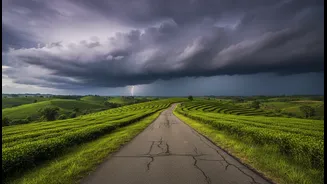
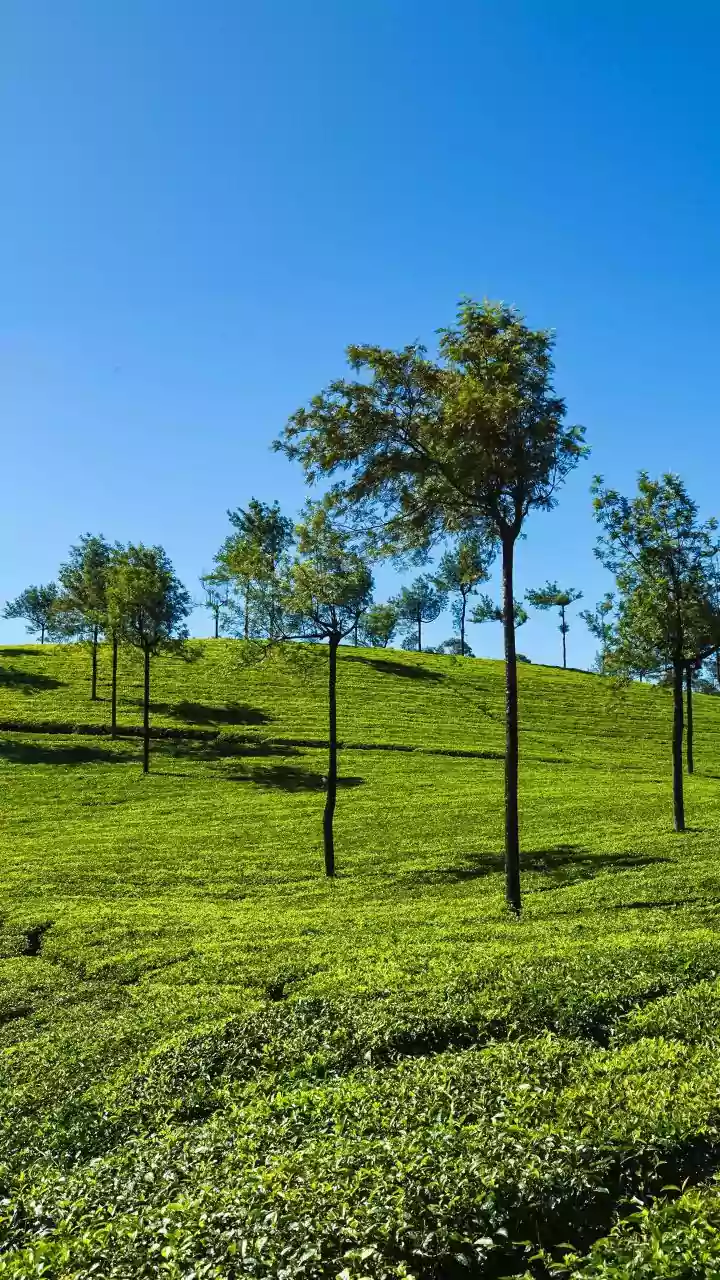
the rain enhances the beauty. The high-altitude deserts of Ladakh and Spiti Valley, for instance, are in their peak season as they lie in a rain-shadow area, offering dry, pleasant weather for trekking and exploration. Similarly, parts of Rajasthan like Udaipur and Mount Abu become surprisingly green and romantic, with their lakes full and the scorching summer heat subdued. In the south, hill stations like Munnar and Coorg in the Western Ghats are draped in mist and vibrant greenery, offering stunning views, though you should be prepared for steady rain. Fewer crowds and lower prices are an added bonus of travelling during this off-peak season.
Your Monsoon-Ready Packing List
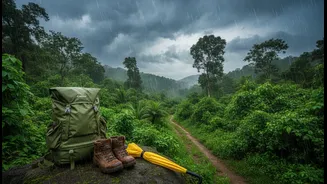
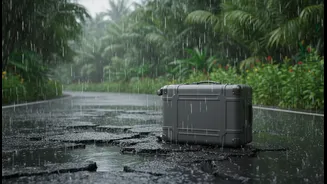
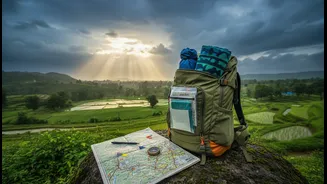
Packing correctly is non-negotiable for a comfortable monsoon journey. The goal is to stay dry and comfortable without being weighed down. Prioritise lightweight, quick-drying clothes made from synthetic fabrics like polyester and nylon; leave heavy cotton and denim at home as they take ages to dry in the humid air. A high-quality waterproof jacket or poncho is essential, preferably one large enough to cover a backpack. For footwear, opt for rubber sandals, floaters, or trekking shoes with excellent grip to navigate slippery surfaces. Protect your valuables by packing electronics, documents, and wallets in waterproof dry bags or zip-lock pouches. Finally, a sturdy, wind-resistant umbrella completes your rain-ready arsenal.
Navigating Your Journey Safely
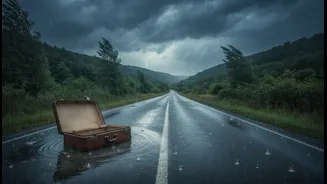
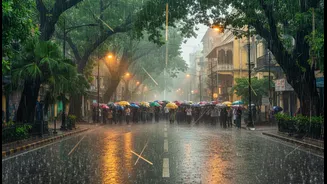
Monsoon travel can bring unexpected delays and disruptions. Heavy rains can lead to waterlogged roads, landslides in hilly areas, and delayed or cancelled flights and trains. Building flexibility into your itinerary is crucial; add buffer days to account for potential delays. Before setting out each day, check the local weather forecast and road conditions. When driving, reduce your speed on wet roads to avoid skidding and use headlights for better visibility. It's also wise to avoid travelling during the heaviest downpours. In some cases, train travel might be a more reliable option than road trips, which can be hampered by blockages.
Health and Wellness on the Go
The rainy season can increase the risk of certain health issues. Mosquito-borne diseases like dengue and malaria are more common, so carrying and using a good insect repellent is a must. The risk of water contamination also rises during this time. To stay safe, drink only bottled or filtered water and be cautious with street food, opting for freshly cooked, hot meals instead. It is always a good idea to carry a basic first-aid kit containing essentials like antiseptic wipes, bandages, pain relievers, and any personal medications you might need.
Embracing the Silver Linings
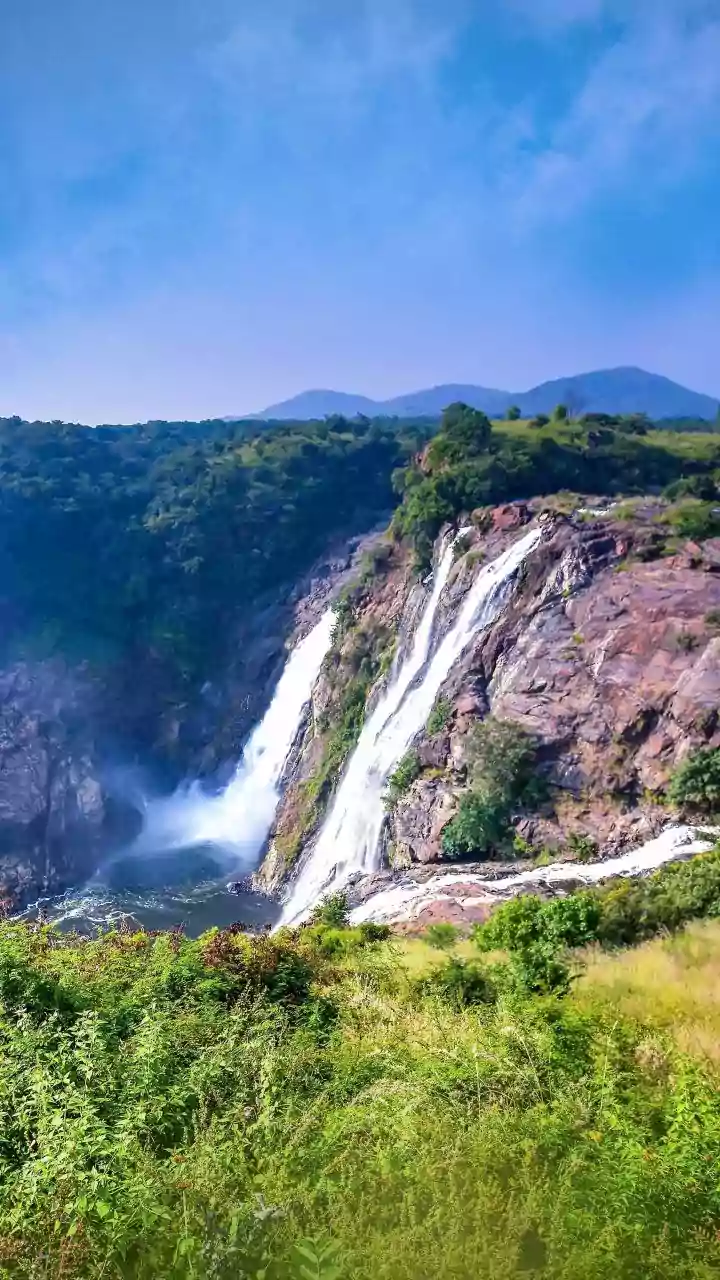
Despite the challenges, travelling in India during July offers a unique and rewarding experience. The monsoon washes the dust away, leaving the countryside glistening, waterfalls roaring, and forests a brilliant shade of green. It's a photographer's dream and a perfect time for those seeking tranquillity. Destinations are less crowded, allowing for a more authentic and relaxed experience. From the misty hills of the Western Ghats to the dramatic cloudscapes over Meghalaya, the monsoon unveils a side of India's beauty that is hidden for the rest of the year. With the right preparation, a July trip can be an unforgettable adventure.