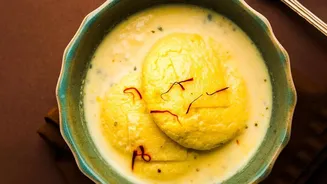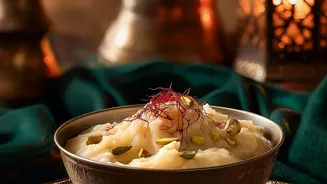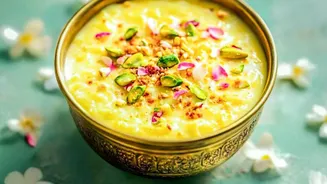




The comforting, creamy sweetness of a classic phirni is a beloved taste for many. But what happens when this traditional rice pudding meets the fragrant, tropical notes of sitaphal? A dessert that is both familiar and excitingly new is born.
The Enduring Charm of Phirni
Phirni is
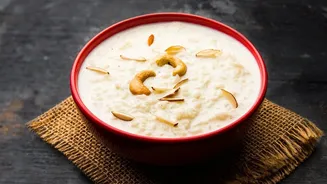
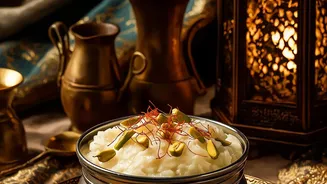
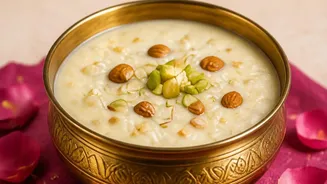
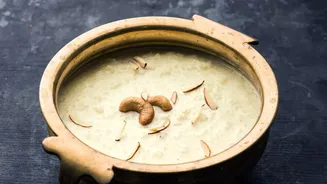
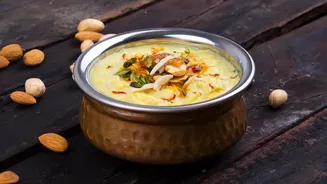
a classic North Indian dessert with roots often traced back to Mughal or even Persian kitchens. Unlike its close cousin, kheer, which uses whole rice grains, phirni is defined by its use of ground rice. Rice is soaked and then ground into a coarse paste before being slow-cooked in milk. This simple difference in preparation gives phirni its signature texture: smooth, thick, and subtly grainy, a world away from the softer, looser consistency of kheer. Flavoured with aromatics like cardamom, saffron, or rose water and sweetened with sugar, the pudding is cooked until it reaches a thick, creamy state. Traditionally, phirni is served chilled in small, unglazed clay bowls called 'matkas' or 'shikoras'. These porous bowls absorb excess moisture, helping the dessert to set further and imparting a faint, earthy aroma that complements its sweetness.
Introducing Sitaphal, the Custard Apple
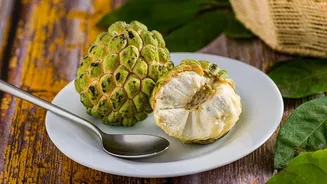
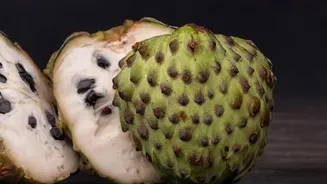
Sitaphal, or custard apple, is a seasonal fruit treasured across India. Its bumpy green exterior protects a soft, creamy white flesh dotted with large black seeds. The flavour is unique—a sweet, luscious blend with hints of banana, pineapple, and pear. The fruit's name itself comes from its custard-like texture, making it a natural fit for desserts. When in season, sitaphal is often enjoyed on its own, its pulp scooped directly from the shell. However, its distinct sweetness and creamy nature make it an excellent ingredient for elevating sweets, lending its flavour to everything from ice cream and milkshakes to mousse and basundi. The process involves carefully scooping out the pulp and patiently separating it from the seeds, a labour of love that yields a fragrant, sweet puree.
A Familiar Method, A Novel Flavour
The genius of Sitaphal Phirni lies in its simplicity. The process doesn't reinvent the wheel; it honours the traditional phirni method completely. The base is prepared in the classic way: coarse rice paste is simmered in milk until it thickens into a rich pudding. Sugar and cardamom are added towards the end of the cooking process. The crucial step, and the only significant deviation, happens after the phirni base is cooked and has cooled slightly. It's at this point that the fresh, de-seeded sitaphal pulp is gently folded into the mixture. It is important that the phirni is not hot when the fruit is added, as high heat can alter the delicate flavour of the sitaphal and potentially cause the milk to curdle. This simple addition transforms the entire dish without altering its fundamental character.
Unveiling the Taste Experience
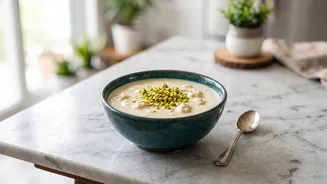
The resulting dessert is a beautiful study in contrasts. The foundational creaminess of the milk and rice pudding remains, but it's now infused with the unmistakable tropical fragrance of sitaphal. Each spoonful offers the smooth, comforting base of the phirni, followed by the slightly fibrous, intensely sweet notes of the custard apple. The delicate flavour of cardamom or saffron in the base provides a warm, spiced background that prevents the fruit's sweetness from becoming overwhelming. Served chilled, it's a refreshing yet indulgent treat that feels both traditional and contemporary. The garnish of slivered pistachios or almonds adds a final, welcome crunch, completing the multi_layered sensory experience.
Tips for the Perfect Sitaphal Phirni
To make the best Sitaphal Phirni, start with the right ingredients. Use full_fat milk for a richer, creamier result. When grinding the soaked rice, aim for a coarse, semolina_like texture, not a fine powder, as this is key to the phirni's consistency. When selecting a custard apple, choose one that is ripe and soft to the touch; this will make the de_seeding process easier and ensure the pulp is at its sweetest. The most laborious part is separating the pulp from the seeds, which can be done by mashing the flesh through a strainer. Finally, remember patience is key. Allow the phirni base to cool to room temperature before incorporating the sitaphal pulp to preserve the fruit's fresh flavour and prevent any curdling.