

Why Shelf Life Is a Thoughtful Gesture
During festivals, households are often flooded with sweets and snacks. A gift with a short shelf life adds pressure on the recipient to consume it immediately, lest it spoil. Choosing a gift that lasts longer is an act of consideration. It allows your
friends and family to savour your delicious present at their own pace, long after the main festivities have subsided. This reduces food waste and ensures your hard work in the kitchen is truly appreciated. It also helps your gift stand out; it becomes the treat they reach for when the more perishable items are gone.
The Short-Lived Stars
Some of the most beloved Indian sweets are best eaten fresh. Items made with fresh milk, paneer, or khoya, like Kalakand, Rasmalai, and many Bengali sweets, have a very short window of peak freshness, often just one or two days, even when refrigerated. If you plan to gift these delicacies, it’s best to give them to someone you know can enjoy them right away. Always deliver them in person and let the recipient know they should be consumed quickly. It is best to avoid shipping these types of sweets unless using overnight services with cold packs.
Gifts That Go the Distance
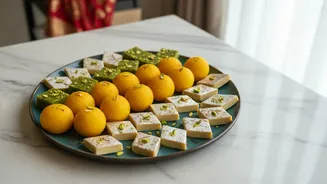
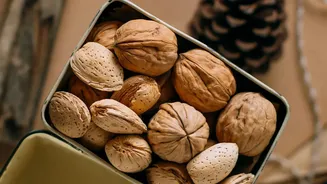
For gifts that offer more flexibility, focus on preparations with lower moisture content. Ghee, sugar, and roasted flour are natural preservatives that have been used for centuries. Ghee and Flour-Based Sweets: Laddoos made from besan (gram flour) or atta (whole wheat flour) can last for a week or more at room temperature. Kaju Katli and other dry fruit-based sweets also have a good shelf life of about seven to ten days. Dry, Fried Snacks (Namkeen): Items like Mathri, Chakli, Shankarpali, and Namak Para are festive classics for a reason. They are delicious and can last for several weeks when stored in an airtight container, making them perfect make-ahead gifts. * Modern & Non-Traditional Options: Roasted and spiced nuts, homemade granola, biscotti, and cookies are excellent choices. Fruit preserves, chutneys, and infused oils are also wonderful gifts that can be enjoyed for months.
Packaging for Preservation
How you pack your gift is just as important as what's inside. The key is to protect the food from air and moisture, which accelerate spoilage. Always let baked goods and fried snacks cool completely to room temperature before packing. Trapped heat creates steam and condensation, which will make crispy items soggy and increase the risk of mould. Use airtight containers made of glass or stainless steel, especially for sweets. For baked goods like cookies or laddoos, separating layers with parchment or butter paper prevents them from sticking together. Vacuum sealing is another excellent option for extending freshness, especially for dry mithai.
Communication is the Final Ingredient
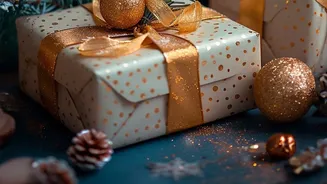
Elevate your homemade gift by adding a small label or tag. This simple touch shows an extra level of care. On the tag, you can include the name of the item and, most importantly, a 'best before' date. This removes any guesswork for the recipient. It's also a thoughtful place to list key ingredients, which is incredibly helpful for those with food allergies or dietary preferences. Letting them know whether the item needs refrigeration is also crucial for food safety. This clear communication ensures your gift is enjoyed safely and at its absolute best.