






What is Slow Travel, Anyway?
In a world of weekend dashes and jam-packed itineraries, slow travel is a breath of fresh air. It is about intentionally choosing a relaxed pace, focusing on connection over checklists. Instead of rushing from one landmark to another, you immerse yourself
in a place, engaging with local communities and savouring experiences. For young Indians accustomed to a fast-paced life, this approach offers a meaningful escape. The monsoon season, typically considered the off-season, becomes the perfect backdrop. With fewer tourists, lower costs, and a more authentic atmosphere, it's an ideal time for a deeper, more personal journey.
Varanasi: A Spiritual Start
The trail begins in Varanasi, a city that transforms during the monsoon. The intense summer heat gives way to cooler, cloud-filled skies. The ghats, washed clean by the rain, take on a serene and mystical quality. While the river Ganga swells, making boat rides dependent on daily conditions, the spiritual energy intensifies, especially during the holy month of Sawan. The evening Ganga Aarti at Dashashwamedh Ghat continues, its lamps reflecting on wet stone against a dramatic sky. This is the time to explore the city’s narrow lanes without the usual crowds, discover hidden temples, or even join a traditional cooking class indoors.
The Journey in Between
The essence of slow travel lies in the journey itself, not just the destination. The path from Varanasi to Rishikesh is dotted with culturally rich cities worth exploring. Consider taking a train or a series of local buses to make unplanned stops. You could spend a day in Prayagraj at the sacred Sangam, the confluence of three rivers, which exudes a unique tranquillity during the rains. Or, detour to Lucknow to sample its famous Awadhi cuisine, where the flavours seem richer in the monsoon air. This leg of the journey is about embracing spontaneity, allowing the rhythm of the region to guide your way rather than a strict schedule.
Rishikesh: The Misty Mountain Escape
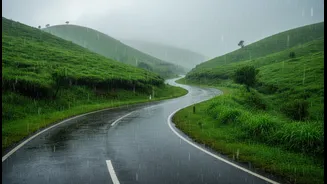
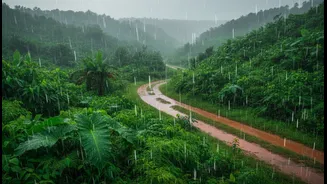
Arriving in Rishikesh during the monsoon is like stepping into a different world. The town, often bustling with tourists and adventure seekers, becomes a peaceful sanctuary. The Himalayas are veiled in mist, waterfalls are in full flow, and the roar of the Ganges is a constant, meditative soundtrack. While white-water rafting is paused for safety, the season opens up other possibilities. It’s the perfect time for introspection, joining a yoga retreat, trekking to a nearby waterfall like Neer Garh, or simply finding a cosy café to watch the clouds drift by. The focus shifts from high-energy adventure to quiet rejuvenation.
A Practical Guide for the Path
A monsoon journey requires some preparation. Pack lightweight, quick-drying clothes and a reliable waterproof jacket and shoes. An insect repellent is a must-have. While slow travel is often budget-friendly, especially with off-season discounts on accommodation, it is wise to keep a buffer for unexpected delays. When travelling into the hills around Rishikesh, always check weather forecasts and local advisories for any news of landslides or road closures. Most importantly, pack an open mind. This journey is about embracing the unpredictable, finding beauty in the rain, and allowing yourself the time to truly see the places you visit.