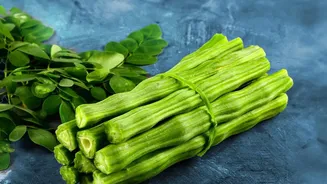


Known to many as 'sahjan' or the 'miracle tree', moringa is a nutritional powerhouse that’s surprisingly easy to add to your daily diet. Forget complicated recipes; here are simple ways to incorporate this versatile green into your meals.
The Green Wonder: What Is Moringa?
Moringa oleifera,
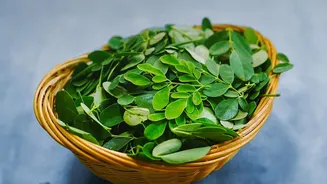
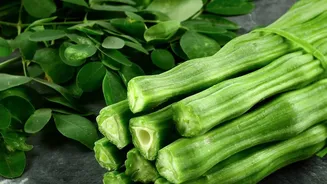
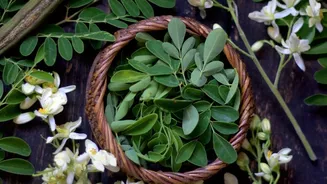
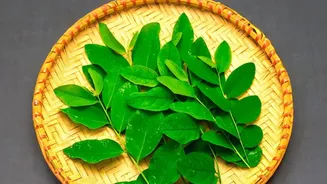
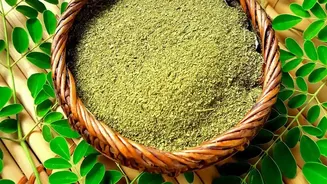
commonly known in India as 'sahjan' or the drumstick tree, is a plant celebrated for centuries for its nutritional and medicinal properties. While many are familiar with using its drumsticks in sambar and curries, the leaves are the real nutritional heroes. Fresh moringa leaves have a slightly peppery taste, similar to arugula or radish greens, while the powder form is more earthy, like spinach or matcha. This versatile green has been a staple in South Indian kitchens for generations, used in everything from simple stir-fries to lentil dishes.
A Nutritional Powerhouse
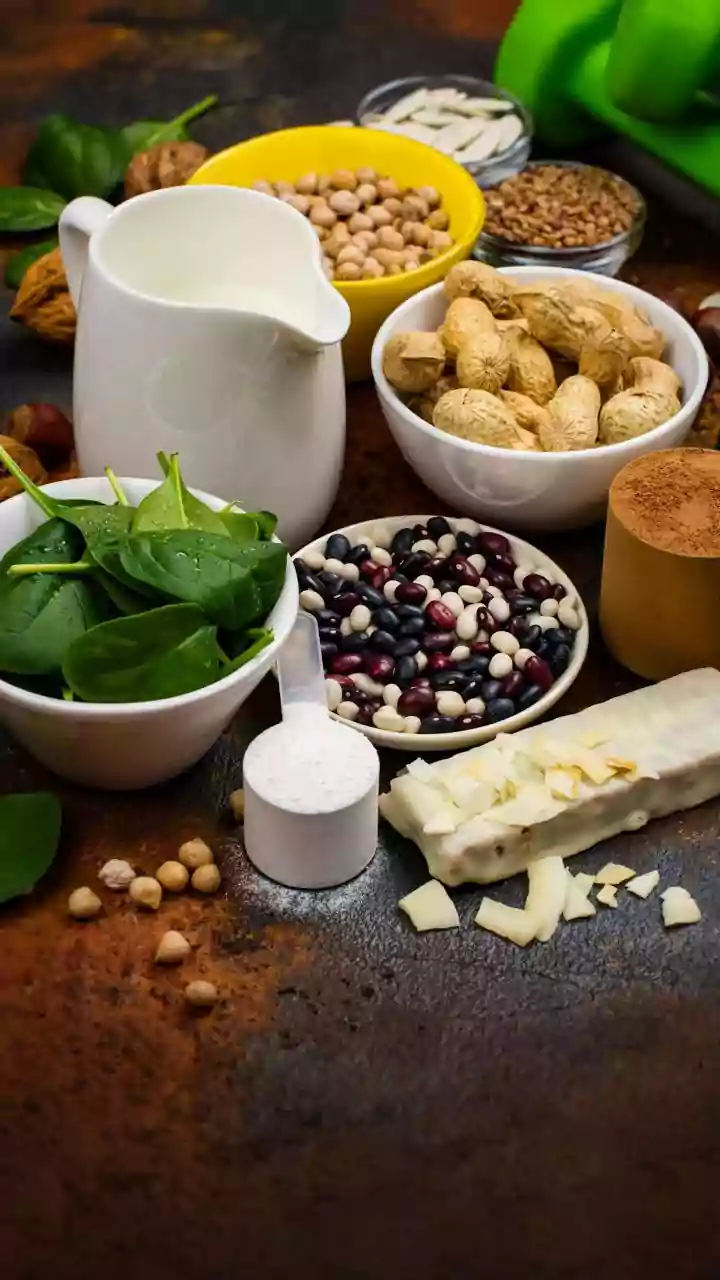
Moringa leaves are packed with essential nutrients. They are an excellent source of vitamins A, C, and E, as well as minerals like calcium, potassium, and iron. In fact, studies note that moringa contains more vitamin A than carrots and more calcium than milk. It's also rich in protein and fibre. Furthermore, the leaves contain powerful antioxidants like quercetin, which may help manage blood pressure, and chlorogenic acid, which can help moderate blood sugar levels after meals.
Fresh Leaves: The Traditional Route
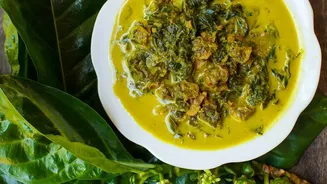
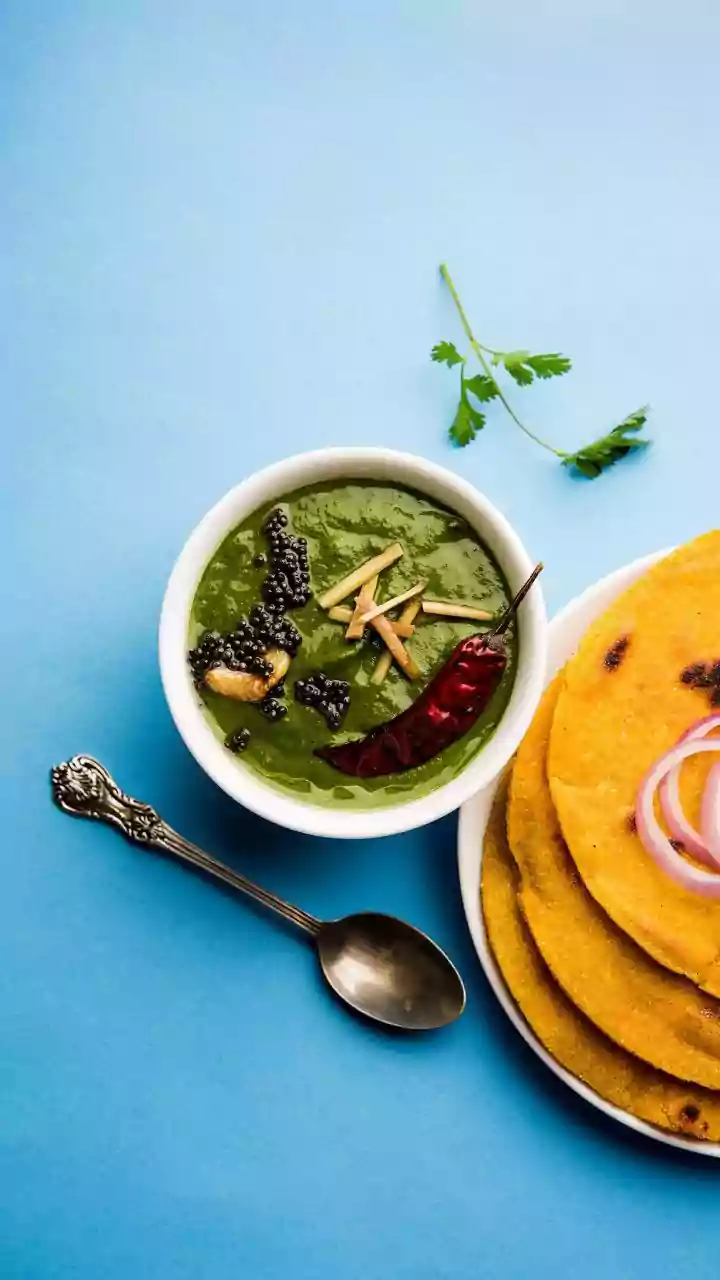
Using fresh moringa leaves is a wonderful way to add texture and nutrients to traditional Indian dishes. The key is to separate the leaves from the tough stems, which can be time-consuming but is well worth the effort. One of the easiest methods is to make a simple 'poriyal' or stir-fry. Heat some oil, add mustard seeds, urad dal, and chillies, then toss in the washed leaves and cook until they wilt. You can also add a handful of leaves to your everyday dal or sambar towards the end of the cooking process. They cook quickly and blend seamlessly into the texture of the lentils. Another popular use is kneading finely chopped leaves into the dough for parathas or adai (lentil pancakes).
Moringa Powder: A Convenient Shortcut
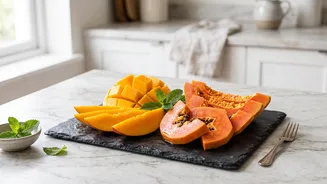
For those short on time, moringa powder is an incredibly convenient alternative. Made from dried and ground leaves, it offers a concentrated dose of nutrients. The easiest way to use it is by blending it into smoothies. Start with just half a teaspoon, as the flavour can be quite strong. It pairs well with sweet fruits like banana and mango, which help balance its earthy taste. You can also stir the powder into soups, stews, or even a simple bowl of yogurt or oatmeal. For a savoury twist, mix it into hummus, guacamole, or your favourite chutney recipe. A small amount can even be whisked into salad dressings for a hidden nutritional boost.
Flavour, Quantity, and a Note of Caution
Moringa has a distinct flavour that can be slightly bitter, so it's best to start with small quantities and adjust to your taste. When using fresh leaves, a generous handful is usually enough for a dish serving four people. For powder, a single teaspoon is often sufficient. While moringa is generally safe when consumed as food, it's wise not to overdo it. High doses, especially when you're just starting, can sometimes lead to digestive upset. The roots and bark of the moringa tree should not be consumed, as they can be toxic. It's always a good practice to stick to the leaves, pods, and seeds.