





Why Humidity is a Silent Threat
Unlike humans, most pets can't sweat effectively to cool down. Dogs rely on panting, which involves evaporating moisture from their lungs. Cats have very few sweat glands, located in their paws. In high humidity, the air is already saturated with moisture,
making evaporation difficult, if not impossible. This means your pet's primary cooling mechanism fails, allowing their body temperature to skyrocket even in a room that feels only moderately warm to you. This is especially true for brachycephalic (flat-faced) breeds like Pugs and Persian cats, whose respiratory systems are already less efficient.
Spotting Overheating in Dogs
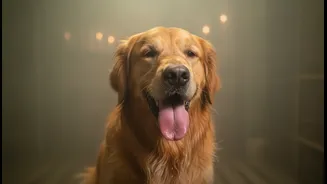
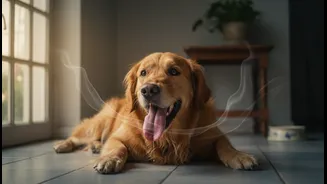
The signs of overheating in dogs can escalate quickly. Early warnings include excessive, heavy panting and thick, sticky drool. Their gums may appear bright red. As the condition worsens, they might become restless, disoriented, or weak, stumbling as they try to move. Vomiting and diarrhea are also serious signs that the dog is in distress. If you notice these symptoms, especially after a walk or even just time spent in a stuffy room, it's a red flag that they are struggling to cope with the heat.
Subtle Signs in Cats
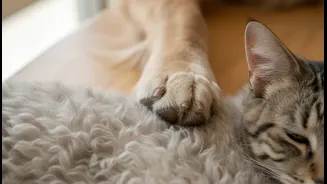
Cats are masters at hiding illness, and overheating is no exception. The signs can be much more subtle than in dogs. One of the first indicators might be open-mouthed breathing or panting, which is highly unusual for a cat. They might become restless and search for cool spots like tile floors or a bathroom sink. Some cats will groom themselves excessively in an attempt to use saliva to cool their fur. Lethargy, weakness, and a rapid pulse are also key signs of heat distress in felines.
Protecting Rabbits & Small Animals
Small pets like rabbits, guinea pigs, and hamsters are extremely vulnerable to heatstroke and can be affected very quickly, sometimes with fatal results. For rabbits, look for rapid, shallow breathing, and ears that feel very hot and appear red. They may become lethargic, drool, or show a lack of coordination. Guinea pigs show similar signs, including panting, weakness, and reluctance to move. Hamsters suffering from heatstroke may seem lifeless and limp, a condition sometimes called 'sleeper disease'. For these animals, prevention is absolutely critical.
Proactive Cooling Strategies
Keeping your home cool is the first line of defence. Use fans to maintain air circulation, but remember they are less effective in high humidity. If you have an air conditioner or cooler, use it, especially during the hottest parts of the day. Ensure your pets always have access to multiple bowls of fresh, cool water; adding ice cubes can help. Cooling mats provide a chilled surface for pets to lie on and require no electricity. You can also freeze a bottle of water, wrap it in a towel, and place it in your pet’s resting area. Finally, avoid keeping pets in rooms that get direct sun or have poor ventilation, like some balconies or laundry areas.
First Aid in an Emergency
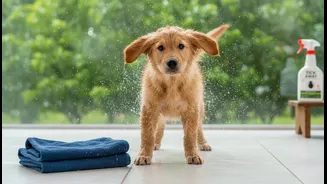
If you suspect your pet is overheating, act immediately. The guidance is to "cool first, transport second." Move them to the coolest, shadiest area you can find, preferably with a fan or AC. Start cooling them by applying cool—not ice-cold—water to their body. Focus on their paws, stomach, and armpits. Do not cover them with a wet towel, as this can trap heat. Offer small amounts of cool water to drink, but do not force them. Most importantly, contact your veterinarian immediately for guidance. Even if your pet seems to recover, they should be checked by a professional, as overheating can cause internal damage that isn't immediately obvious.