








The Untrodden Path
For the seasoned traveller in India, the Golden Triangle is a well-worn memory and the beaches of Goa are familiar territory. Eastern India—comprising states like West Bengal, Odisha, Bihar, and Jharkhand—represents a different frontier. This is a region
less polished for mass tourism, where experiences feel more authentic precisely because they aren't always packaged neatly. A trip here is less about ticking off a list and more about immersion. The reward for navigating its complexities is a glimpse into a side of India that is deeply rooted in ancient cultures, diverse landscapes, and a pace of life that refuses to be hurried. It’s a region for the curious, for those who find beauty in the unexpected and are willing to trade convenience for genuine discovery.
Why Time is a Non-Negotiable Luxury
The primary reason Eastern India demands more planning is simple: distance and infrastructure. While connectivity is improving, it's not on par with the more frequented tourist circuits. Travel between key destinations—say, from the temples of Bhubaneswar in Odisha to the Sundarbans delta in West Bengal—can take a full day by train or road. Unlike regions with hourly flights and seamless expressways, here the journey itself is a significant part of the itinerary. Poor road conditions in rural areas and less frequent public transport options mean a two-hour journey on a map can easily become a four-hour reality. Building buffer days into your schedule isn't just a suggestion; it's essential. It allows for unexpected delays, whether from a local festival, a slow-moving train, or simply a road that demands a more cautious pace. Rushing is not only stressful, it's often impossible.
Navigating Permits and Practicalities
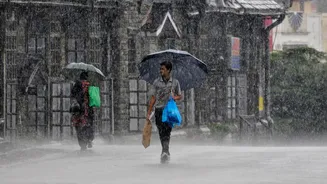
Certain parts of Eastern India require special permits, adding an administrative layer to your planning. A prime example is the Sundarbans, the world's largest mangrove forest and a UNESCO World Heritage site. To enter this protected tiger reserve, you need forest entry permits, boat permits, and a licensed guide. While reputable tour operators usually handle these logistics, it highlights why spontaneous, independent trips can be challenging. Foreign nationals may face additional requirements for areas near international borders. Beyond permits, the climate is another major factor. The region is prone to heavy monsoons and cyclones, especially between June and October. Planning around the weather is crucial, as some areas like the Sundarbans may be inaccessible during heavy rains. The best travel window is generally the cooler, drier winter months from October to March.
Embrace the Spirit of Slow Travel
The real magic of Eastern India reveals itself when you slow down. This isn't a region to be consumed in a hurry. What's the point of reaching the ancient temples of Odisha if you don't have time to absorb their spiritual tranquility? How can you appreciate the unique biodiversity of the Sundarbans from a speeding boat? Slow travel allows you to engage with the local culture, which is incredibly diverse here. From the tribal communities of Odisha and Jharkhand to the colonial-era architecture of Kolkata, each area has a distinct identity. Staying in a local homestay, hiring a driver for a few days, or simply spending an afternoon in a village market offers far richer experiences than a packed, minute-by-minute itinerary. The extra 'planning space' in your schedule is really 'experience space'—time to chat with a local artisan, accept an invitation for tea, or take an unplanned detour that becomes the highlight of your trip.
Your Eastern India Planning Checklist
To make the most of your journey, a structured approach is key. First, research and prioritise your destinations, accepting you can't see everything. A focused trip on Odisha's temple circuit and coastline or a deep dive into West Bengal's culture and nature is more rewarding than a frantic multi-state dash. Second, book major transport (long-distance trains and flights) well in advance, as seats fill up quickly. For local travel, consider hiring a car and driver for flexibility, especially in rural areas. Third, if visiting areas like the Sundarbans, book with an authorised tour operator who can manage permits and ensure safety. Finally, pack for versatility—light layers, rain gear depending on the season, comfortable shoes, a medical kit, and plenty of patience. Think of your plan not as a rigid script, but as a flexible framework for adventure.