

The Simple Joys of a Windowsill Garden
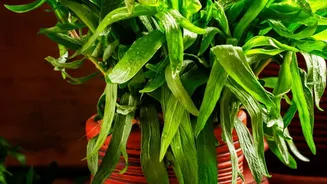
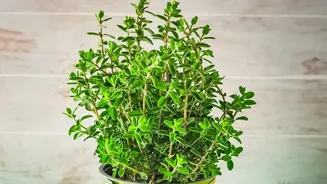
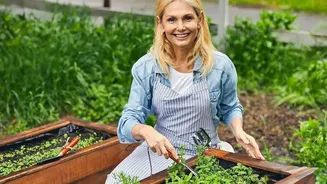
Starting an indoor herb garden is one of the most rewarding and low-effort ways to connect with your food. Imagine snipping fresh coriander for a garnish, plucking mint leaves for a cup of tea, or having holy basil ready for your morning ritual. Growing
your own herbs means you have access to the freshest flavours, free from pesticides and plastic packaging. It’s not only a step towards a healthier lifestyle but also a great way to save money and reduce food waste. The daily act of caring for a small plant can be a calming ritual, bringing a touch of nature's peace into your home. A windowsill garden doesn't require a green thumb, just a little sunlight and water to get started.
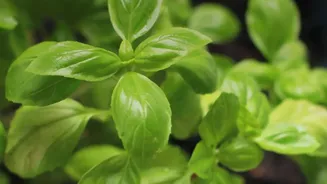
Tulsi (Holy Basil): The Sacred Wellness Plant
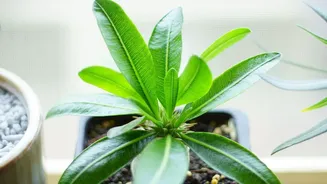
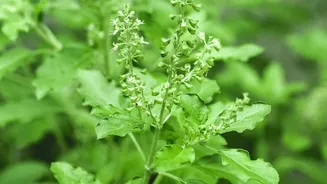
Tulsi holds a sacred place in many Indian households, revered for both its spiritual significance and its wellness benefits. What makes it a fantastic starter plant is its resilience. Tulsi thrives in pots and loves sunlight, making a sunny windowsill an ideal home. It needs at least four to six hours of direct sun daily to flourish. Keep the soil consistently moist but never waterlogged; a pot with good drainage is key. Regularly pinching off the flowering tops will encourage the plant to become bushier, giving you more of its wonderfully aromatic leaves for teas and remedies.
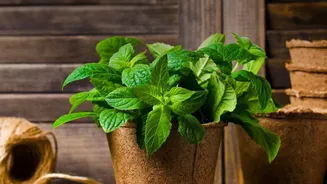
Mint (Pudina): The Refreshing and Rapid Grower
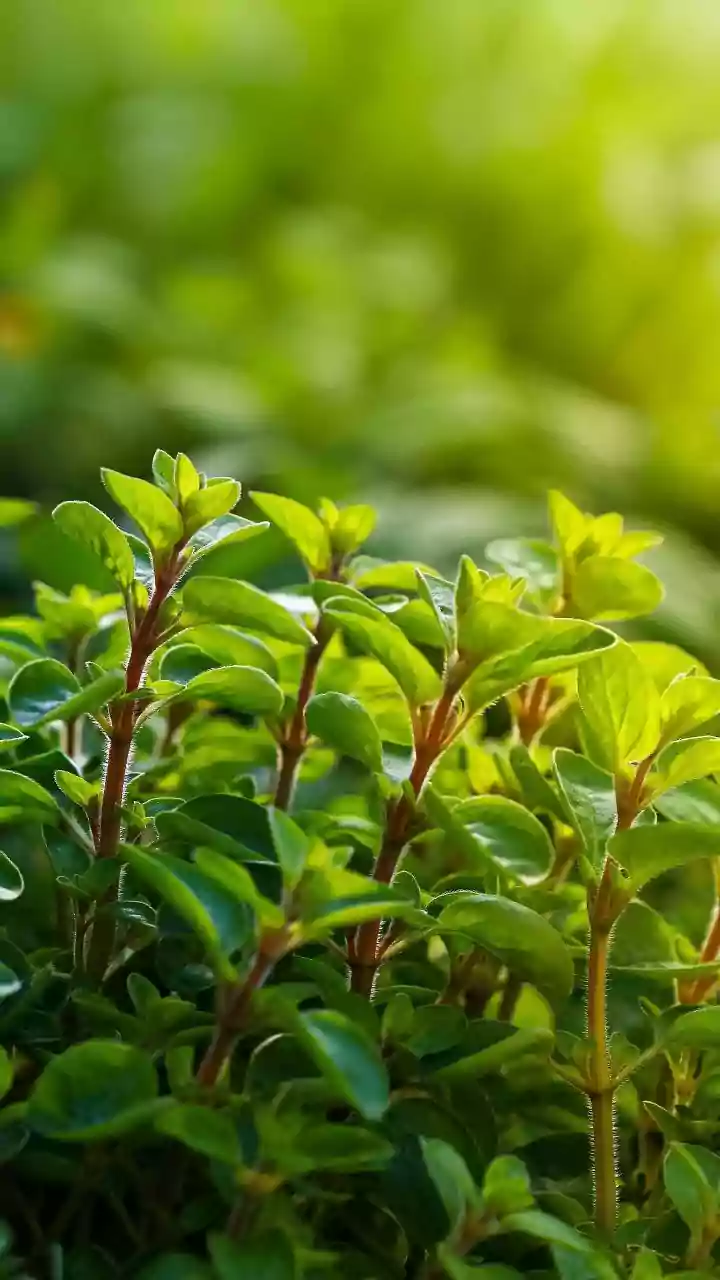
If you're looking for instant gratification, mint is your plant. It is famously easy to grow and spreads quickly, which is why it's crucial to give it its own pot. This prevents its runners from taking over other plants. Mint is less demanding about sunlight than other herbs, content with a spot that gets morning sun or bright, indirect light for about four to six hours. It prefers its soil to be kept consistently moist. Harvest the leaves often by pinching off the top shoots; this will promote a bushier, fuller plant and provide you with a constant supply for chutneys, raitas, and refreshing summer drinks.
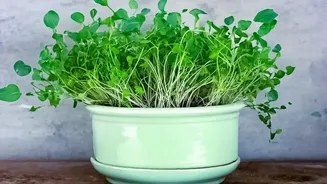
Coriander (Dhania): The Essential Kitchen Staple
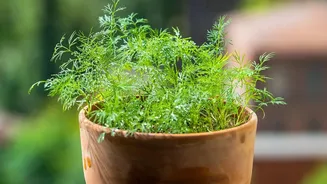
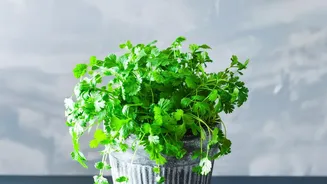
No Indian kitchen is complete without coriander, or dhania. Since it's used so frequently, growing your own ensures you always have a fresh bunch on hand. Coriander grows best from seed planted directly in a pot, as it doesn't like its roots being disturbed. Use a pot that is at least 6-8 inches deep to accommodate its taproot. It prefers cooler conditions and about four to six hours of morning sun. For a continuous supply, the trick is succession sowing: plant a new batch of seeds every two to three weeks. This way, as one plant begins to flower (or 'bolt'), you'll have a new one ready for harvesting.
Your Recipe for Success
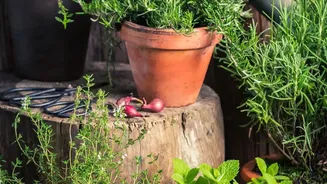
Ready to get started? Keep these simple tips in mind. First, choose the right pots. Containers with drainage holes are non-negotiable to prevent root rot. Terracotta pots are a great choice as they are porous. Use a good quality, well-draining potting mix, not heavy garden soil. Most herbs need at least four to six hours of sunlight, so a south or west-facing window is often best. Finally, water mindfully. A good rule of thumb is to water when the top inch of soil feels dry to the touch. With these basics, you're well on your way to a thriving windowsill garden.