






Why Eating Seasonal is Smart
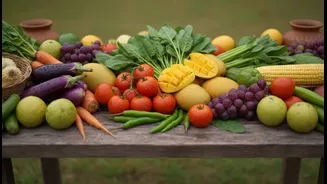
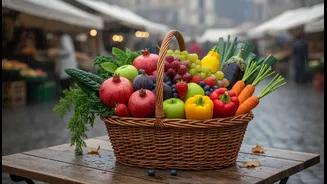
Eating seasonally is a wise choice, especially during the monsoon. The humidity and water-logged conditions can increase the risk of infections and digestive issues. Seasonal produce is naturally equipped with the right nutrients to help your body cope.
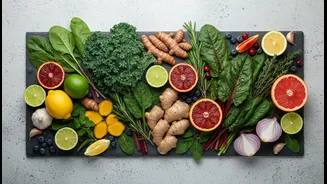
Fruits and vegetables harvested in their natural season tend to be fresher, more flavourful, and packed with higher levels of vitamins and antioxidants compared to those available year-round. They provide essential nutrients like Vitamin C, A, and iron, which are crucial for supporting a strong immune system and keeping seasonal illnesses at bay. A diet rich in these foods helps your body build resilience against common monsoon ailments like colds and flu.
Essential Tip: Clean with Care
While embracing seasonal produce, extra caution in cleaning is non-negotiable during the monsoon. The moist environment can be a breeding ground for germs. It is recommended to wash all fruits and vegetables thoroughly under plain running water right before you plan to cook or eat them. For leafy greens like spinach, it is best to soak them in a bowl of cold water, swish them around, and then rinse. For firm-skinned produce like gourds or root vegetables, using a clean vegetable brush to scrub the surface is a good practice. Always wash produce before peeling to prevent transferring contaminants from the knife to the flesh. After washing, drying them with a clean cloth or paper towel can further reduce any remaining bacteria.
Jewel of the Monsoon: Jamun
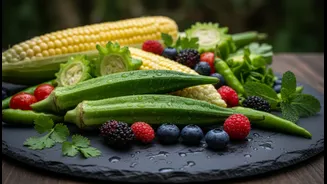
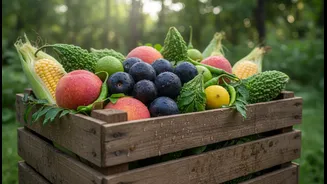
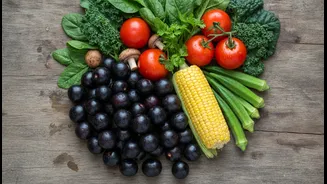
The deep purple Jamun, or Indian Blackberry, is a quintessential monsoon fruit. Its availability is limited to a short window, making it a true seasonal delicacy. Jamun is rich in iron, vitamin C, and powerful antioxidants called anthocyanins, which give it its distinctive colour. These nutrients help boost immunity, improve haemoglobin levels, and fight the fatigue that can be common during the gloomy weather. Traditionally, it is also valued for its properties that help in managing blood sugar levels, making it a great choice for many.
The Gourd Family: Nature's Healers
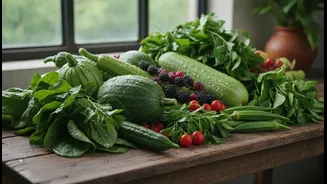
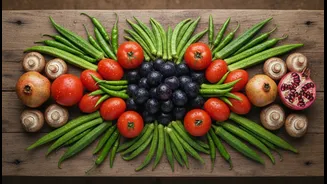
The rainy season is the best time for a variety of gourds. Bitter gourd (Karela), despite its acquired taste, is highly recommended. It is packed with Vitamin C and compounds that support immunity and help regulate blood sugar. Bottle gourd (Lauki) is another monsoon star, known for being light, hydrating, and easy on the digestive system. Pointed gourd (Parwal) and Ridge gourd (Turai) are also abundant and are excellent sources of dietary fibre, vitamins, and minerals, contributing to overall health and digestion.
The Humble Heroes: Peach and Pear
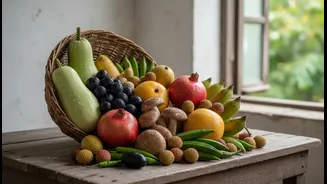
Often overlooked, peaches (Aadu) and pears (Nashpati) are fantastic additions to a monsoon diet. Peaches are packed with Vitamin C and antioxidants that support skin health and aid digestion. Pears are exceptionally high in fibre, which is crucial for maintaining a healthy digestive system when it tends to become sluggish during the rains. Both fruits are hydrating and provide a gentle way to get essential vitamins without overburdening your system. Pears in particular are known to have anti-inflammatory properties which can be beneficial during the season.
The All-Rounder: Pomegranate
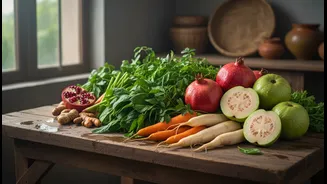
Pomegranate (Anar), with its jewel-like seeds, is a powerhouse of antioxidants. It is particularly rich in compounds that have anti-inflammatory, anti-viral, and anti-bacterial properties, making it an ideal fruit to fight off infections that are common during the monsoon. It also helps boost haemoglobin, keeping energy levels high on dreary days. Adding pomegranates to your fruit chaat or having a glass of fresh juice can be a delicious way to fortify your body's defences.
Earthy and Essential: Corn and Okra
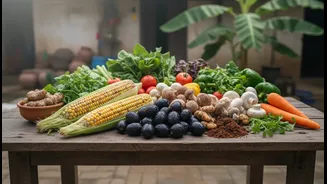
No Indian monsoon feels complete without roasted corn (Bhutta). More than just a nostalgic snack, corn is a good source of fibre and antioxidants. Another versatile and popular monsoon vegetable is Okra (Bhindi). It thrives in this season and is a great source of dietary fibre, which aids digestion, along with vitamins A and C. Both are easily available and can be cooked in numerous ways to create comforting and healthy meals, from simple stir-fries to hearty curries.