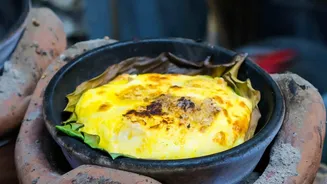







A Growing Appetite for Authenticity
For years, the urban Indian palate was dominated by a familiar rotation of Punjabi, South Indian, and Indo-Chinese fare. But today, diners are looking beyond butter chicken and dosas, actively seeking out unique and hyperlocal culinary experiences. There
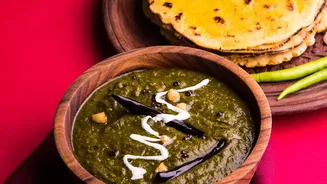
is a rising demand for the distinctive flavours of Naga pork curry, the subtle spices of an Assamese 'masor tenga', or the earthy goodness of Jharkhand's tribal dishes. This shift is driven by a generation of curious food lovers who want to connect with the diverse cultural tapestry of the country through its food. Platforms like Swiggy and Zomato have reported a significant surge in searches for hyper-regional cuisines, indicating a clear market trend. Consumers are no longer just ordering a meal; they are ordering a story, a tradition, and a taste of a region they may have never visited.
The Perfect Recipe: Low Costs and High Demand
The cloud kitchen, or 'ghost kitchen', model has emerged as the perfect vehicle for this culinary movement. These delivery-only kitchens operate without a physical storefront or dining area, drastically reducing the high overhead costs associated with traditional restaurants, such as rent for prime locations and front-of-house staff. This low-investment model allows passionate home cooks and small-scale entrepreneurs to enter the market and test their niche concepts without risking huge amounts of capital. They can focus on what they do best: creating authentic, high-quality food. By leveraging delivery aggregators, they gain immediate access to a vast customer base, turning a family recipe into a viable business overnight.
From Home Kitchens to Citywide Menus
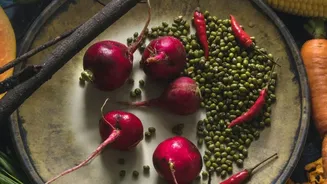
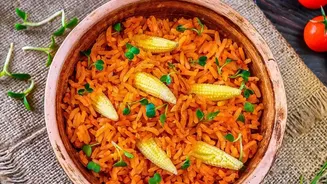
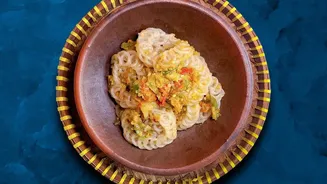
Across India's metros, inspiring stories are unfolding. In Bengaluru, Mitali Bezborua’s ‘Bezborua’s Kitchen’ has been serving authentic Assamese delicacies since 2015, evolving from a simple curry menu to offering innovative items like puff pastries with traditional banana flower fillings. In Delhi, cloud kitchens like 'Rosei Ghara' are bringing the homestyle comfort of Odia cuisine, including specialties like Bamboo Mutton, to a new audience that is hungry for regional flavours. Similarly, entrepreneurs from Jharkhand's tribal communities are establishing kitchens and restaurants in cities like Ranchi to popularise dishes made from local ingredients like 'jirhul' flowers and 'chakod jhor' soup, foods that were previously unknown to most urban dwellers. These ventures are not just businesses; they are cultural embassies on a plate.
More Than a Meal, It's a Movement
The rise of indigenous food kitchens is about more than just commerce; it's a powerful act of cultural preservation. Many of these entrepreneurs are driven by a desire to keep their culinary heritage alive and share it with the world. Organisations like the Tata Steel Foundation, through initiatives like Samvaad, are actively supporting this ecosystem by providing platforms and mentorship to tribal home chefs from across the country. These efforts help document and disseminate the significance of tribal cuisines, which are often based on sustainable practices like foraging and use ingredients with high nutritional value. By bringing these foods to the mainstream, these chefs are challenging stereotypes and fostering a deeper appreciation for the rich diversity of India's indigenous communities.
Challenges and the Road Ahead
Despite the opportunities, the path for these micro-entrepreneurs is not without its hurdles. Sourcing authentic, region-specific ingredients can be a major logistical challenge, often requiring specialised supply chains. Competing in a crowded digital marketplace dominated by big brands with large marketing budgets is another significant obstacle. Furthermore, the high commission rates charged by delivery platforms can eat into the already thin profit margins of these small-scale operations. However, the trend shows no sign of slowing down. As more consumers prioritise authenticity and unique flavours, the demand for indigenous cuisine will likely continue to grow, creating more space for these micro-cloud kitchens to thrive and perhaps even scale into larger, multi-brand operations.