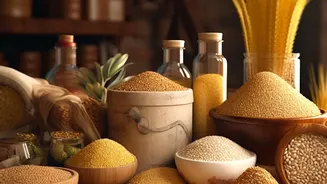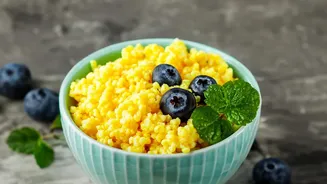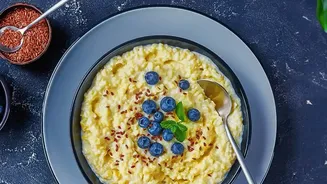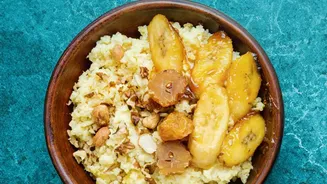




A quiet revolution is happening in Indian kitchens. Once sidelined by wheat and rice, ancient grains known as millets are making a remarkable comeback, finding their way into everything from breakfast bowls to fine-dining menus.
The Grains That Time Forgot
For centuries, millets
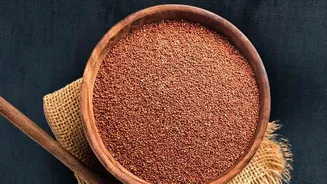
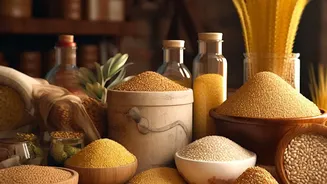
like jowar (sorghum), bajra (pearl millet), and ragi (finger millet) were staples across India. They were the backbone of regional diets, perfectly suited to the local climate and agricultural cycles. However, the Green Revolution in the mid-20th century, while crucial for food security, shifted focus overwhelmingly towards high-yield varieties of wheat and rice. Subsidies and distribution systems favoured these two grains, and over decades, millets were relegated to the background, often perceived as 'coarse' or food for rural and lean times. This shift pushed traditional recipes and farming wisdom to the margins of India's culinary landscape.
A Nutritional Powerhouse
The primary driver of the millet revival is a collective turn towards healthier eating. Modern consumers, increasingly wary of processed foods, are discovering what their ancestors knew all along: millets are a nutritional treasure. They are naturally gluten-free, making them a great choice for those with sensitivities. Packed with fibre, they aid digestion, promote a feeling of fullness, and help manage weight. Many millets have a low glycemic index, which means they release sugar into the bloodstream slowly, helping to regulate blood sugar levels — a key concern for many. Different millets offer unique benefits: ragi is famously rich in calcium, bajra in iron, and jowar is an excellent source of protein and fibre.
Good for You, Good for the Planet
Beyond personal health, millets are champions of sustainability. These hardy crops are often called 'climate-resilient' for good reason. They require significantly less water than rice and wheat, can thrive in arid conditions and poor soil, and need fewer chemical inputs. This makes them an environmentally sound choice for farmers, especially in a country facing climate uncertainty and water stress. India's push to declare 2023 as the International Year of Millets, a proposal backed by the UN, was a strategic move to highlight these benefits on a global stage, promoting them for both food security and ecological balance.
The Modern Millet Makeover
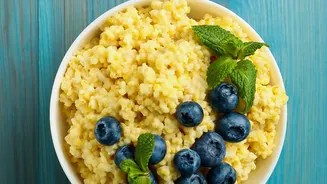
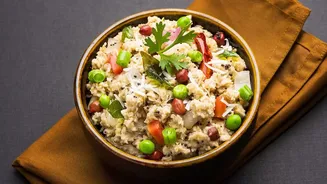
The comeback isn't just about porridge and bhakri. Chefs, home cooks, and innovative food startups are completely rebranding millets for the modern palate. Urban cafes now serve millet bowls, and restaurants are creating everything from ragi dosas and jowar papdi chaat to barnyard millet sushi. Celebrity chefs like Sanjeev Kapoor and Vikas Chawla have been instrumental in showcasing their versatility, proving that healthy can also be delicious and 'Instagrammable'. This culinary creativity is breaking down old perceptions. Packaged, ready-to-cook millet products, from dosa mixes to pasta, are also making it easier for busy urban households to incorporate these grains into their daily meals.
How to Get Started with Millets
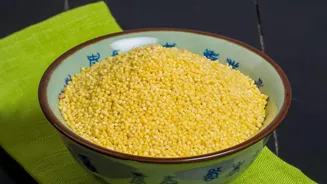
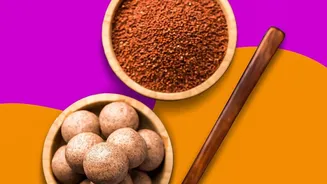
Adopting millets doesn't require a complete dietary overhaul. The key is to start small and allow your palate to adjust. A simple first step is to blend millet flour with your regular wheat atta for rotis, gradually increasing the ratio. Try swapping rice with foxtail or little millet for a khichdi or pulao. Jowar, with its mild taste, is an easy substitute for wheat in many recipes. Soaking millets for a few hours before cooking can improve their digestibility and nutrient absorption. The goal is rotation and variety, not complete replacement, allowing you to enjoy the diverse benefits of these powerful grains.