





A Waste Stream Ready for a New Life
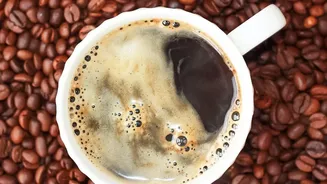
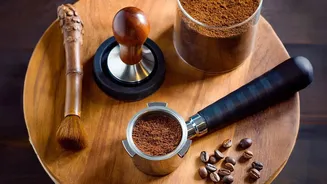
Every day, cafes and coffee drinkers around the world produce enormous quantities of spent coffee grounds (SCG). When you brew a cup of coffee, less than 1% of the coffee bean's biomass is transferred to your drink. The other 99%—a damp, nutrient-filled
material—is typically thrown away, contributing to landfill waste where it can release methane, a potent greenhouse gas. However, this supposed 'waste' is actually packed with nitrogen, cellulose, minerals, and other organic compounds, making it a valuable resource waiting to be repurposed. This is where circular urban farming comes in, viewing this waste not as a problem, but as the perfect starting point for a new food source.
The Perfect Substrate for Fungi
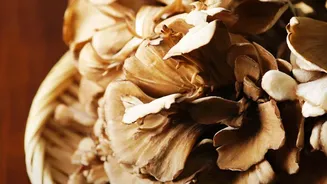
Mushrooms are nature's expert recyclers. Their root-like network, called mycelium, thrives by breaking down organic matter. Spent coffee grounds offer an almost ideal environment for this process. First, they are incredibly nutrient-rich, providing the essential food, like nitrogen and sugars, that fungi need to flourish. Second, the brewing process itself provides a huge advantage: the hot water effectively pasteurizes the grounds, killing off most competing bacteria and molds that could otherwise contaminate the mushroom crop. This means urban farmers can often skip the energy-intensive sterilization step required for other growing mediums like straw or wood chips, making the process more sustainable and cost-effective.
From Coffee Bar to Harvest Bag
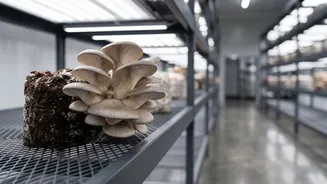
The process is ingeniously simple. Urban farms partner with local cafes to collect fresh coffee grounds, often within 24 hours of brewing to ensure they remain relatively sterile. These grounds are then mixed with mushroom spawn—essentially the mycelium starter culture. While some species like the resilient oyster mushroom can grow on pure coffee grounds, many cultivators mix in other materials like straw or sawdust pellets to improve aeration and prevent the fine grounds from compacting. This mixture is packed into special growing bags or containers and kept in a warm, dark place for two to three weeks while the mycelium colonizes the substrate, turning the dark brown grounds into a solid white block. Once fully colonized, the bags are moved to a humid, ventilated space to encourage 'fruiting'—the stage when mushrooms pop out, ready for harvest.
Closing the Loop: The 'Circular' in Circular Farming
The cycle doesn't end once the mushrooms are harvested. This is what makes the system truly circular. After several harvests, the coffee ground substrate is depleted of the specific nutrients mushrooms need, but it is far from useless. The mycelium has broken down the complex compounds in the coffee, transforming it into a rich, soil-like material. This spent substrate is an excellent compost and soil amendment, perfect for local gardeners and community farms. Some operations take it a step further, using the substrate for vermicomposting (worm farming) to create high-quality organic fertilizer. In this closed-loop model, a city's waste is used to grow local food, and the by-product of that process is then used to enrich the soil, reducing waste at every stage.
The Broader Benefits for Urban Environments
This innovative farming method offers significant advantages for city life. It dramatically reduces the amount of organic waste sent to landfills, cutting down on associated emissions and disposal costs. It also promotes local food production, meaning fresher, healthier mushrooms are available to residents and restaurants with a much smaller carbon footprint from transportation. Urban mushroom farms can operate in small, unused indoor spaces like basements or shipping containers, making efficient use of city real estate. Projects across Europe and the UK have demonstrated this model's success, turning office buildings and city-center spaces into productive farms. It represents a powerful, practical example of the circular economy in action, proving that sustainable solutions can be found in the most unexpected places—including the bottom of your coffee cup.