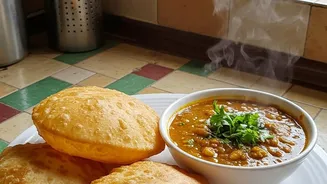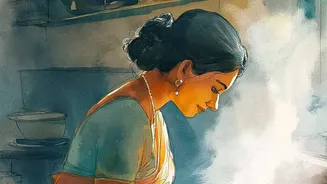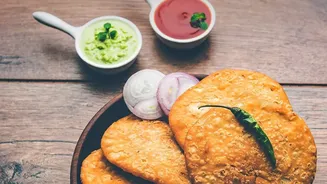




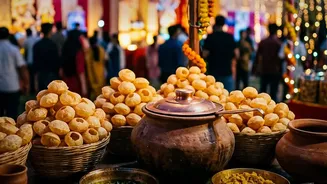
In the rush of urban life, amidst deadlines and delivery apps, a quiet but powerful movement is simmering in Indian kitchens. For many city dwellers, the search for authentic connection is leading them back to the flavours of their childhood.
A Craving for Authenticity
Life in a
metropolitan city often feels anonymous and fast-paced. Meals are frequently about convenience rather than connection, leading to a diet of standardised cafe fare and quick-service takeaways. However, a growing number of urban Indians, particularly millennials and Gen Z, are experiencing a 'cultural reorientation'. This isn't just about missing a specific dish; it’s a deeper yearning for the grounding comfort that heritage food provides. In a world of digital overload and homogenised tastes, the specific aroma of a family recipe or the distinct flavour of a regional spice becomes an anchor to one's personal history and identity. This turn towards the past is less about sentimentality and more about finding a sense of continuity and meaning in a world that often feels disconnected.
The Kitchen as a Bridge Between Generations
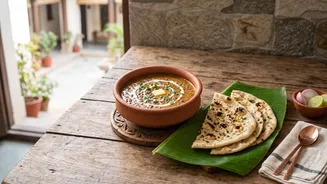
For many who moved to cities for education or work, learning to cook traditional meals was not a priority. The rediscovery, therefore, often begins with a phone call to a mother, grandmother, or aunt. These conversations become more than just a transfer of instructions; they are a bridge across distances and generations. Suddenly, the kitchen transforms into a space for storytelling, where a recipe for a simple dal or a complex curry carries with it memories of festivals, family gatherings, and childhood. This process of learning and recreating dishes is a powerful way of preserving intergenerational knowledge. In an age where families are increasingly nuclear and spread out, cooking a heritage dish is a tangible way to feel connected to home.
From Private Passion to Public Platforms
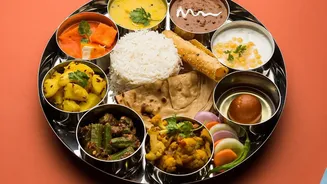
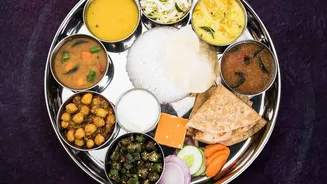
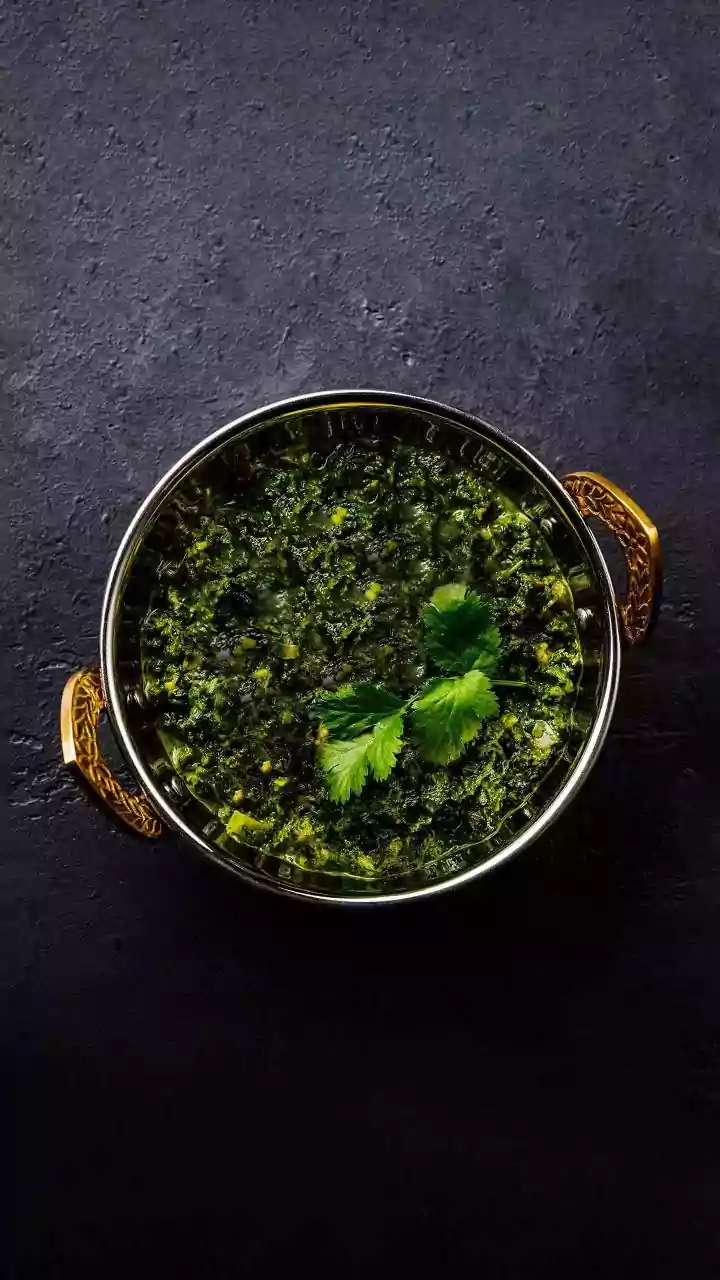
What starts as a personal journey is now a visible cultural trend, thanks to social media and technology. Aspiring cooks document their culinary experiments on blogs and social media, sharing forgotten recipes and creating virtual communities around regional cuisines. This has also fuelled the rise of home chefs who are turning their passion into professions. These entrepreneurs are hosting pop-up dinners, offering catering services, and creating subscription meals that provide a taste of authentic, home-style cooking to others living away from their hometowns. By championing lesser-known regional specialities—from a Himachali dham to a Bengali bhog—these chefs are making heritage food accessible and reminding people that Indian cuisine is far more diverse than what is typically found in restaurants.
A Return to Wellness and Mindful Eating
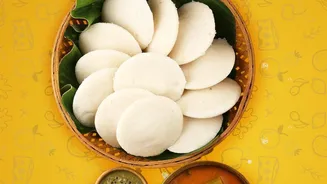
This culinary revival is also deeply connected to a growing awareness of health and wellness. There is a conscious shift away from heavily processed foods and towards the nutritional wisdom embedded in traditional Indian cooking. Heritage recipes often utilise seasonal produce, whole grains like millets, and a plethora of spices known for their medicinal properties. Spices like turmeric, ginger, and cumin are not just for flavour but are known to have anti-inflammatory and digestive benefits. The practice of slow cooking, fermenting foods like dosa and idli, and using fresh, locally sourced ingredients aligns with modern principles of mindful and sustainable eating. By embracing these age-old practices, city dwellers are not just eating healthier; they are participating in a lifestyle that nourishes the body and soul.