







India's Urban Boom Moves Beyond the Metros
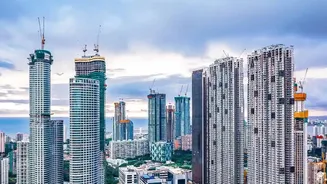
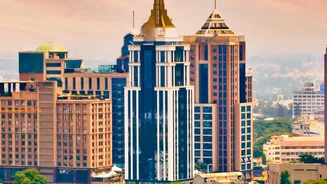
For decades, India's growth story was centred on its megacities. But the script is changing. Smaller Tier-2 and Tier-3 cities like Lucknow, Coimbatore, Indore, and Jaipur are now the epicentres of an unprecedented infrastructure and housing boom. Driven
by improved connectivity, government investment, and a search for a better quality of life, companies and people are flocking to these emerging urban centres. This rapid expansion, however, comes with a side effect that is often overlooked. As natural landscapes are replaced with concrete, asphalt, and dense buildings, these cities are becoming significantly hotter than their rural surroundings.
The Urban Heat Island Explained
The phenomenon is called the Urban Heat Island (UHI) effect. Materials like asphalt and concrete absorb and retain a massive amount of the sun's energy during the day—far more than natural surfaces like soil and vegetation. These materials can absorb up to 95% of the sunlight that hits them. After sunset, they slowly release this stored heat back into the air. The result is that night-time temperatures in a city can be several degrees warmer than in the surrounding countryside, sometimes by as much as 12°C. The dense geometry of tall buildings also traps heat and reduces airflow, while the lack of green spaces means there's less cooling from shade and evapotranspiration—the process where plants release water vapour into the air.
From Hot Nights to Sleepless Nights
This excess heat does more than just make evenings uncomfortable; it directly interferes with our ability to sleep. Our bodies are hardwired to cool down at night, a process that signals the brain to initiate and maintain sleep. Restorative sleep, which includes the deep sleep and REM stages, is crucial for repairing tissues, strengthening the immune system, and consolidating memories. When your bedroom temperature remains high, particularly above 25°C, your body struggles to lower its core temperature. This can lead to frequent awakenings, less time spent in the critical restorative stages, and a feeling of being unrefreshed in the morning, even after a full night in bed.
The Health Cost of Poor Sleep
Occasional sleepless nights are normal, but chronic sleep disruption caused by a consistently warm environment poses serious long-term health risks. Over time, failing to get enough restorative sleep is linked to a higher risk of developing high blood pressure, heart disease, diabetes, and depression. It weakens your immune system and impairs cognitive functions like focus and memory. For vulnerable populations, such as the elderly, young children, and those with pre-existing health conditions, the impact can be even more severe. The exhaustion, morning headaches, and 'brain fog' that many urban dwellers experience during heatwaves are direct consequences of this thermal interference with our natural sleep cycles.
Building Cooler, Healthier Cities
The link between infrastructure, heat, and sleep highlights a critical need for sustainable urban planning as India's smaller cities continue to grow. The good news is that solutions exist. Strategies known as 'passive cooling' and implementing 'green infrastructure' can make a significant difference. Promoting the use of cool, reflective materials for roofs and pavements can reflect more sunlight and absorb less heat. Expanding green cover by planting more trees, creating parks, and even installing vertical gardens on buildings provides shade and natural cooling. Incorporating water bodies and permeable pavements, which allow water to drain and evaporate, can also help lower urban temperatures. By integrating these nature-based solutions into urban design, cities can mitigate the heat island effect and, in turn, protect the health and wellbeing of their residents.