



Why Is Everyone Talking About Protein?
Protein is one of the three main macronutrients, alongside carbohydrates and fats. Think of it as the primary building block for your body. It is essential for repairing tissues, building muscle, supporting your immune system, and creating enzymes and hormones
that keep everything running smoothly. When you don't get enough, you might feel tired, notice your hair thinning, get sick more often, or find that you're constantly hungry even after meals. In a country where our diets are often rich in carbohydrates from rice and roti, paying a little extra attention to protein is crucial for long-term health and steady energy.
How Much Do You Actually Need?
Forget complicated calculations. A simple, evidence-based guideline is a good starting point. According to the Indian Council of Medical Research (ICMR), a healthy but sedentary adult needs about 0.83 grams of protein per kilogram of body weight. So, a 65kg person needs around 54 grams daily. If you're moderately active or go to the gym, your needs increase to about 1.2 to 1.6 grams per kg to aid muscle repair and growth. The goal isn't to hit an exact number every single day, but to be mindful of your general intake and ensure you're not consistently falling short, as many Indians do.
The 'Dal Is Enough' Myth
This is one of the most common misconceptions in Indian households. While dal is a fantastic source of protein, a single katori (bowl) of cooked dal only provides about 7-9 grams of protein. If you need 50-60 grams a day, you'd have to eat 7-8 bowls, which is unrealistic. The truth is that our traditional meals, while delicious, are often carb-dominant. The solution isn't to stop eating dal, but to see it as one part of your daily protein puzzle. Combining it with other sources throughout the day is key.
Powering Up on a Vegetarian Diet
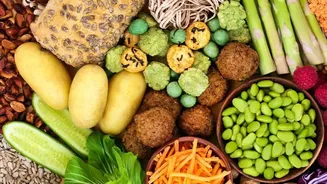
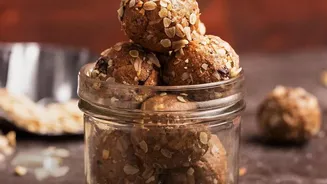
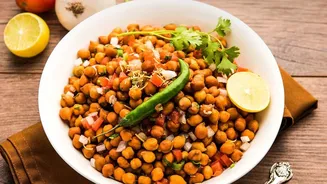
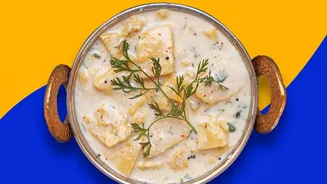
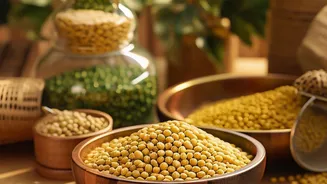
A vegetarian diet can absolutely provide all the protein you need with a little planning. India is blessed with an abundance of affordable, high-quality vegetarian protein sources. Focus on incorporating a variety of these into your meals: Lentils and Legumes: Think beyond toor dal. Rajma, chana (chickpeas), and moong are all protein powerhouses. Dairy: Paneer is a fantastic source, with about 14-18 grams of protein per 100g. Greek yogurt (hung curd) and milk are also great additions. Soy Products: Tofu, soy chunks, and edamame are some of the most protein-dense plant-based options available. Nuts and Seeds: A handful of almonds, peanuts, or a sprinkle of chia and flax seeds on your food can easily boost its protein content.
A Note on Protein Powders
Protein supplements, especially whey, are surrounded by myths. Many believe they are unnatural or harm the kidneys. For healthy individuals, this is not supported by evidence; whey is a natural byproduct of making paneer. However, supplements are not magic. They are a convenient way to fill a protein gap, especially for athletes or those with very high requirements. They are not a replacement for whole foods, which provide fibre and other essential micronutrients. The ICMR advises against routine use for most people, suggesting that a well-planned diet is usually sufficient. If your diet is already balanced, you likely don't need a supplement.
Putting It All Together: The Balanced Thali
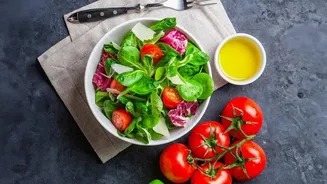
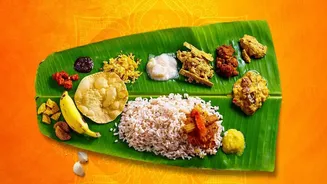
Don't get obsessed with just one nutrient. The goal is a balanced plate. A simple visual rule for your thali is the 'half-quarter-quarter' model. Fill half your plate with vegetables (sabzi and salad). Fill one-quarter with a primary protein source (like dal, paneer, chicken, or eggs). Fill the final quarter with complex carbohydrates (roti, brown rice, or millets). This ensures you get a mix of protein, fibre, vitamins, and energy. It's not about eating strange or expensive 'diet foods', but about getting the proportions of your everyday Indian meals right.