




Rethink Your Watering Routine
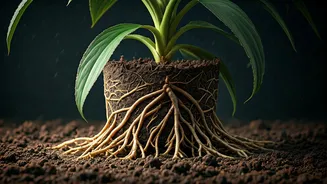
The number one mistake during the rainy season is overwatering. With high humidity in the air, the soil in your pots will stay damp for much longer. Continuing your summer watering schedule is a fast track to root rot, a fungal disease that can be fatal
to plants. Before you water, always check the soil. A good rule of thumb is to stick your finger about an inch or two into the pot. If the soil feels moist, hold off on watering for another day or two. Remember, it’s easier for a plant to recover from being a little too dry than it is from being waterlogged.
Prioritise Drainage and Airflow
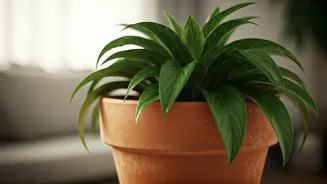
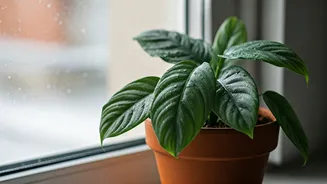
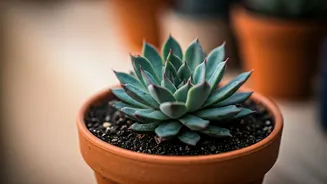
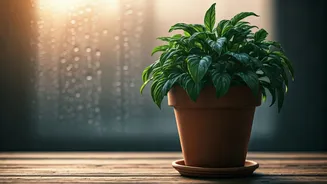
Proper drainage is your plant’s best friend during the monsoon. Ensure every pot has drainage holes to allow excess water to escape. If your pot sits in a saucer or tray, make a habit of emptying it immediately after watering. Stagnant water is a primary cause of root rot. You can also improve drainage by using terracotta pots, which are porous and allow the soil to breathe. To combat the stuffy, humid air that encourages fungal growth, try to improve air circulation. Place plants in a well-ventilated area or use a small fan for a few hours a day to keep the air moving, but don't aim it directly at the plants.
Chase the Sunlight
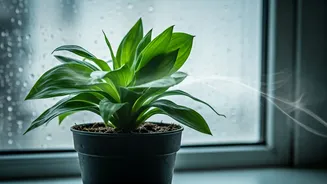
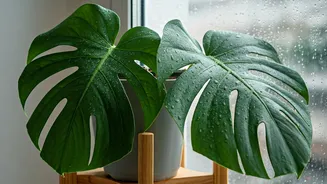
Grey skies and constant clouds mean significantly less sunlight, which is vital for photosynthesis. Your plants may start to look leggy or pale as they stretch for light. To help them, move your plants closer to windows, especially those facing south or west where they can catch the brightest indirect light. It’s also a good idea to rotate your pots every few days so all sides of the plant get some light exposure. Keep both your windows and your plants’ leaves clean and dust-free to maximize the amount of light they can absorb.
Watch for Pests and Fungus
The damp, humid conditions of the monsoon are an open invitation for pests and fungal diseases. Fungus gnats, the tiny black flies that hover around soil, thrive in constantly moist conditions. Mealybugs and other fungal issues are also more common. Inspect your plants regularly, paying close attention to the undersides of leaves and the points where leaves meet the stem. If you spot any pests, isolate the plant immediately to prevent them from spreading. Wiping leaves with a simple solution of neem oil and water can be an effective organic preventive measure.
Hold Off on Fertiliser
The monsoon is a period of rest for many indoor plants. With less light, their growth naturally slows down, which means they require fewer nutrients. Fertilising your plants now can do more harm than good, potentially burning the roots in the moist soil. It's best to pause your feeding schedule entirely during the rainy season. Wait for the bright, sunny days to return before you start giving your plants fertiliser again. If you feel you must feed them, use a mild organic option like compost or vermicompost sparingly.
Prune and Keep It Clean
A little housekeeping goes a long way in preventing monsoon-related problems. Regularly prune any yellowing, dead, or decaying leaves and stems. This not only keeps your plant looking tidy but also improves air circulation around its base and removes potential hiding spots for pests and fungi. Also, be sure to clear away any fallen leaves or debris from the soil surface, as this can trap moisture and encourage mould growth.