
Start With Moisture Control
The first step to a less oily kofta begins long before the frying pan. The enemy of a light kofta is excess water in your primary ingredients. Whether you are using lauki (bottle gourd), paneer, or other vegetables, moisture is the main culprit. For vegetables like
lauki or cabbage, it is crucial to grate them, add a little salt, and let them sit for a few minutes. Then, using your hands or a muslin cloth, squeeze out as much water as possible. This simple act prevents the kofta from becoming soggy and needing extra binding agents, which can also lead to oil absorption. For paneer or potato-based koftas, ensure they are as dry as possible. Use low-moisture potatoes and make sure they have cooled completely after boiling. If using homemade paneer, letting it sit uncovered in the fridge can help dry out excess moisture.
Choose the Right Binding Agent
A binding agent's job is to hold the kofta together, but using too much can make them dense and prone to soaking up oil. The choice of binder often depends on your main ingredient. For very moist vegetables like lauki, besan (gram flour) is an excellent choice as it creates a sturdy shell and adds a subtle nutty flavour. Breadcrumbs are another good option for a milder taste. For paneer or mixed vegetable koftas that are more crumbly, a starch like cornflour or arrowroot powder works wonders to create a smooth, cohesive mixture. A small amount of boiled and mashed potato can also serve as an effective binder. The key is to add the binder gradually. Start with a small amount, mix, and check the consistency. The mixture should be firm enough to hold its shape easily without being overly sticky or dense.
The Chill Factor
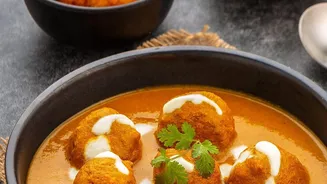
This is a simple but often-skipped step that makes a significant difference. Once you have shaped your kofta balls, placing them in the refrigerator for at least 20-30 minutes can help them firm up. Chilling the koftas helps them hold their shape much better when they hit the hot oil, preventing them from breaking apart or becoming porous and absorbing excess grease. This technique is especially useful for more delicate mixtures like malai or paneer koftas. A cold, firm kofta ball will form a crust much faster when fried, creating a barrier that stops oil from seeping into the centre. Never fry koftas straight from the fridge if they are ice-cold; let them sit at room temperature for a few minutes first.
Mastering the Frying Temperature
This is arguably the most critical stage. If the oil is not hot enough, the koftas will sit in it for too long, slowly absorbing oil instead of frying quickly. If the oil is too hot, the outside will burn before the inside has a chance to cook. The ideal temperature is medium-high heat. A simple way to test this without a thermometer is to drop a tiny piece of the kofta mixture into the oil. If it sizzles and rises to the surface at a steady pace without browning too quickly, the oil is ready. If it sinks and stays at the bottom, the oil is too cold. If it immediately turns dark brown, it's too hot. Maintaining this temperature is vital.
Don’t Crowd the Pan
It can be tempting to fry all your koftas in one go to save time, but this is a common mistake. Adding too many koftas to the pan at once will cause the oil's temperature to drop significantly. When the temperature drops, the koftas will start to steam rather than fry, leading them to absorb more oil and become greasy. Fry the koftas in small batches, leaving enough space between them to cook evenly. This ensures the oil temperature remains consistent, giving each kofta a chance to develop that perfect golden, crispy crust that seals out the grease. Once one batch is done, allow the oil to come back up to the correct temperature before adding the next.
Alternative Cooking Methods
If you want to avoid deep-frying altogether, modern kitchen appliances offer excellent alternatives. An air fryer can produce wonderfully crisp koftas with minimal oil. Preheat your air fryer, lightly brush or spray the koftas with oil, and cook them until golden brown, flipping them halfway through. Another popular method in many Indian households is using a paniyaram or appe pan. These special pans have small cavities that are perfect for cooking koftas. Just add a few drops of oil into each cavity, place the kofta balls, and cook on a low flame, turning them periodically until they are evenly browned and cooked through. This method gives you a crisp exterior and soft interior without the need for deep-frying.