





First, Understand Your Rental Agreement
Before you buy a single roll of wallpaper, your first step is to thoroughly read your rental agreement. This document is your guide to what is and isn’t allowed. Most agreements in India prohibit tenants from making structural alterations without the
landlord's written consent. This includes things like breaking down walls, drilling extensively, or making permanent changes to plumbing and electrical systems. Understanding these clauses is crucial because any unauthorised change can be considered damage, giving your landlord grounds to deduct from your security deposit. A security deposit serves as financial protection for the landlord against property damage or unpaid rent. By respecting the terms of your lease, you're taking the first and most important step in protecting that deposit. Always document the property's condition with photos when you move in to avoid disputes later.
Redefine Your Space without New Walls
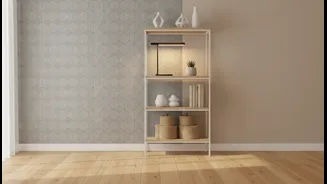
Craving a separate work-from-home nook or a cozy reading corner? You don't need to build a wall to create a new zone. This is where temporary layout changes shine. Freestanding room dividers are an excellent solution. Available in traditional carved wood designs or modern styles, they can instantly partition a large living room, creating visual and functional separation. Another clever strategy is using large furniture. An open-backed bookcase, for example, can divide a studio apartment, offering storage while defining the living and sleeping areas. Even strategically placed large plants or a series of hanging fabric panels can create the illusion of a separate space without a single nail being hammered into a wall.
Embrace the Power of Peel-and-Stick
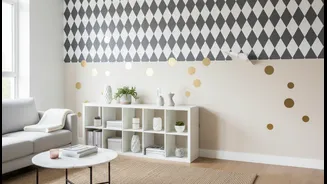
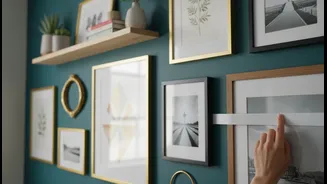
Blank, sterile walls are one of the biggest challenges in a rental. Thankfully, the world of removable decor has exploded in recent years. Peel-and-stick wallpaper is a game-changer, allowing you to create a dramatic accent wall that can be easily removed when you move out. The same technology applies to floors and kitchens. Removable vinyl floor tiles can cover up dated flooring, and peel-and-stick backsplash tiles can give a kitchen a modern facelift, all without causing any permanent changes. For smaller-scale projects, washi tape can be used to create geometric patterns or frame posters on the wall, adding personality without damaging the paint underneath. These products are specifically designed to be temporary, making them a renter's best friend.
Smart Furniture and Storage Solutions
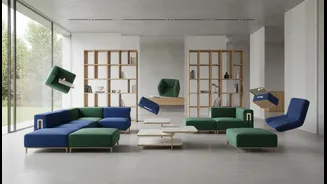
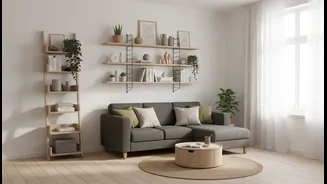
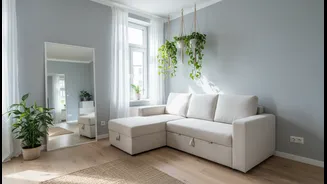
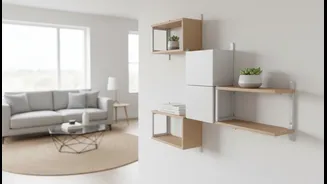
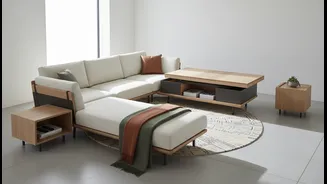
The furniture you choose can significantly alter the feel and function of your flat. Instead of bulky, single-purpose items, opt for modular and multifunctional pieces. A modular sofa can be reconfigured to suit different layouts, while a coffee table with built-in storage helps keep clutter at bay. Vertical space is often underutilised. Instead of drilling shelves into the wall, consider a tall, leaning ladder shelf. It provides ample display space and rests securely against the wall without any hardware. Using tension rods in window frames or alcoves is another brilliant, damage-free hack for hanging curtains or even creating a makeshift closet. These solutions allow you to customize your storage and layout based on your needs.
Lighting Makes All the Difference
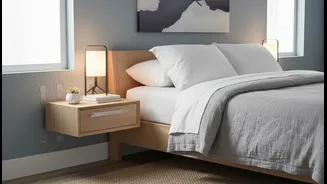
Never underestimate the power of good lighting to transform a space. Many rental flats come with basic, harsh overhead fixtures. You can often change these, provided you keep the original fixture to reinstall before you leave. A statement pendant lamp or a modern chandelier can become a stunning focal point. If you're not comfortable with electrical work, focus on plug-in solutions. Floor lamps, table lamps, and even stick-on, battery-powered LED strips under cabinets can create layers of light, adding warmth and dimension to a room. Changing the lighting is one of the most impactful yet easily reversible upgrades you can make.
The Graceful Exit: Restoring to Original
The ultimate goal is to get your full security deposit back. Under the Model Tenancy Act, 2021, landlords are required to refund the deposit within a specific timeframe after you vacate, minus any valid deductions for damages beyond normal wear and tear. Your damage-free approach makes this final step simple. Plan to spend a day or two before your lease ends carefully removing all your temporary additions. Peel off the wallpaper, take down the tension rods, and reinstall the original light fixtures. Fill any minor nail holes from hanging pictures (if your lease allowed them) with a bit of putty. The aim is to return the flat in the same condition you received it. A joint inspection with your landlord upon moving out can help ensure there are no last-minute surprises.