



Understanding the Gut-Brain Axis
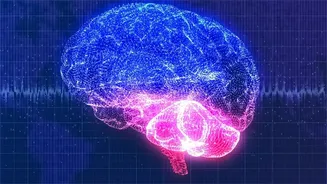
Think of the gut-brain axis as a constant two-way conversation between your digestive tract and your brain. This communication network involves the nervous system, hormones, and the immune system. A key player in this is the vagus nerve, a long nerve that
acts like a direct information highway, sending signals in both directions. This is why you might feel 'butterflies' in your stomach when you're nervous—that's your brain sending stress signals to your gut. Conversely, what happens in your gut can also significantly impact your brain, influencing everything from mood and stress to cognitive function.
The Role of Your Gut Microbiome
Your gut is home to trillions of microorganisms, including bacteria, viruses, and fungi, collectively known as the gut microbiome. This internal ecosystem is crucial for digestion, immunity, and even mental health. The balance between 'good' and 'bad' bacteria is delicate. When this balance is disrupted by factors like stress, poor diet, or certain medications, it can send distress signals to the brain, potentially leading to low mood, anxiety, and brain fog. The gut produces a significant amount of the body's neurotransmitters, including about 90% of serotonin, the 'happy chemical'. An unhealthy gut can disrupt the production of these crucial mood-regulating chemicals.
How Probiotics Can Help
Probiotics are live, beneficial bacteria that can help restore balance to your gut microbiome. Research, though still evolving, suggests that by supporting a healthy gut environment, probiotics can positively influence the gut-brain axis. Certain strains of probiotics, sometimes called 'psychobiotics', have been linked to reduced symptoms of anxiety and stress and improved emotional balance. They work by reducing inflammation, supporting the production of neurotransmitters, and strengthening the gut lining, all of which contribute to better communication between the gut and brain.
Probiotic-Rich Foods to Add to Your Diet
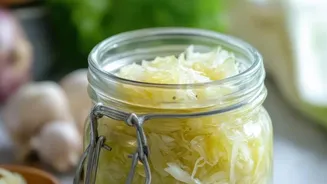
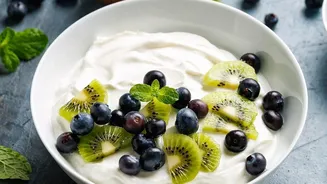
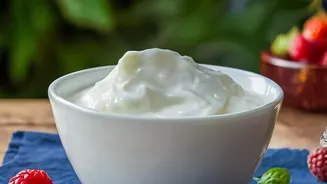
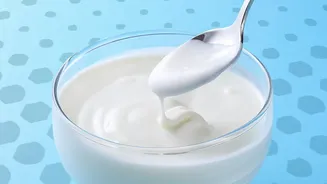
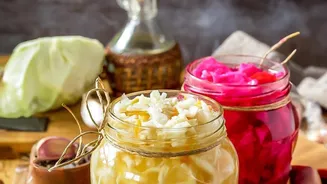
Incorporating probiotic foods into your diet is a natural way to support gut health. For Indian households, many traditional foods are excellent sources. Curd (Dahi) is a staple and one of the best sources of probiotics. Buttermilk (Chaas), another common drink, is also packed with friendly bacteria. Fermented foods like the batter for Idli and Dosa contain probiotics, though some bacteria are lost during cooking. Traditional homemade pickles (Achaar) that are fermented in brine without vinegar are another great source. Other excellent options include Kanji, a fermented carrot drink, and Kefir, a fermented milk drink gaining popularity for its wide variety of probiotic strains.
Feeding the Good Bacteria with Prebiotics
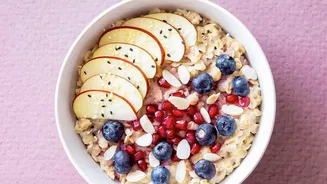
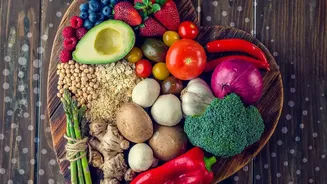
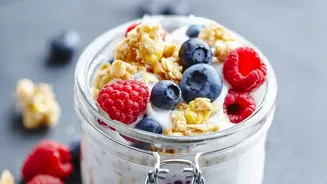
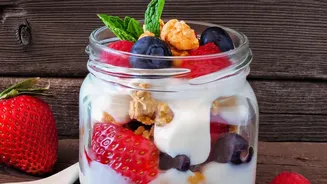
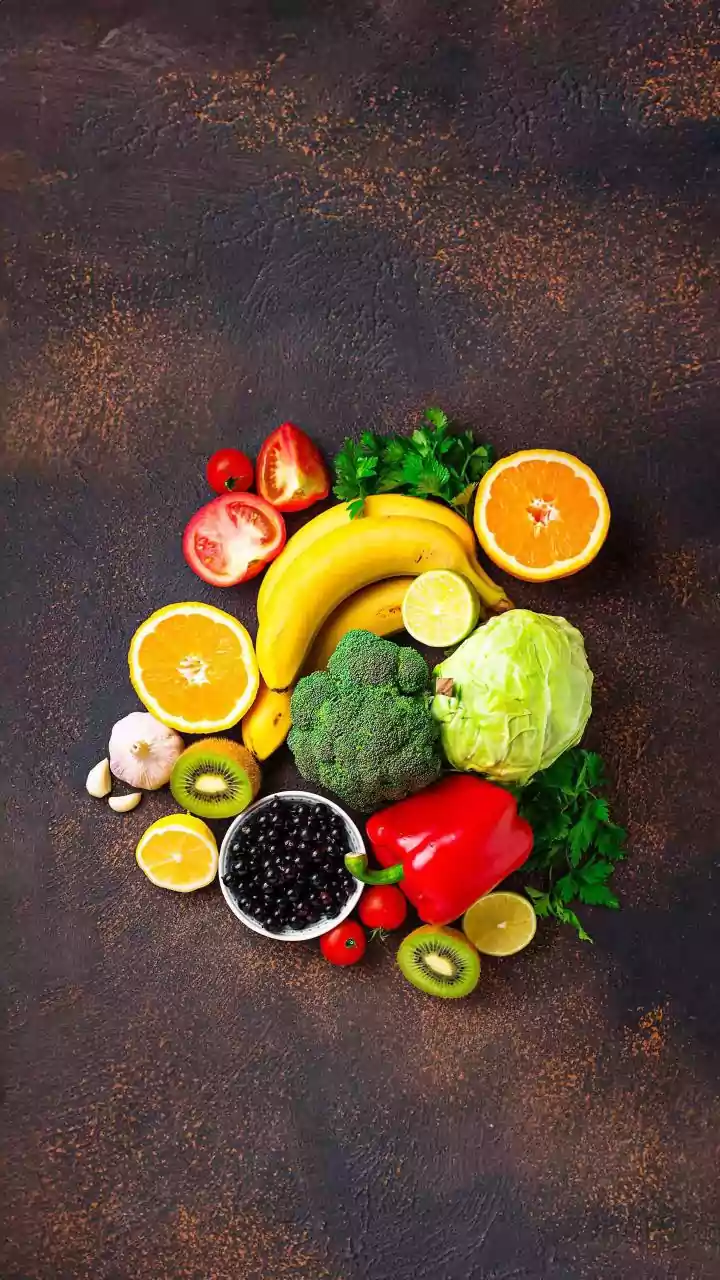
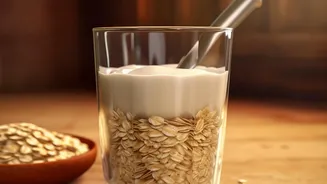
To get the most out of probiotics, you also need prebiotics. Prebiotics are types of dietary fibre that act as food for the good bacteria in your gut, helping them thrive. Think of them as the fertiliser for your internal garden. Excellent sources of prebiotics are readily available and include garlic, onions, bananas, oats, and whole grains. Pairing probiotic-rich foods with prebiotic-rich ones creates a powerful synergy for gut health. For example, enjoying dahi with a sprinkle of whole-grain muesli or having a side of onion salad with your meal can make a significant difference.