








What Makes a 'Rain Café'?
The term 'rain café' doesn't refer to a single concept but a growing movement. On one hand, it includes classic eateries that, by virtue of their design—large windows, covered balconies, or scenic views—become natural shelters for enjoying the rain. On the other
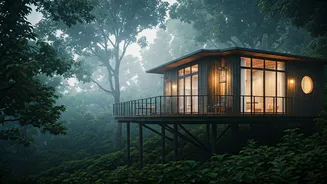
hand, a new, more intentional trend is emerging: cafés designed specifically to celebrate the monsoon. A prime example is The Pluvian Cafe in Pune, a space created by self-proclaimed 'pluviophiles' (rain lovers). Its design is inspired by the 'song of rain,' featuring an outdoor section for those who love the petrichor and a cozy interior with views of the greenery. Similarly, glasshouse cafés like Spunky Gourmet in Bandra are built with dreamy glass walls and ceilings to offer the perfect, unobstructed view of the downpour, creating an immersive experience.
An Appetite for Nostalgia
The appeal of these cafés goes far beyond just staying dry. It taps into a powerful sense of nostalgia. For many Indians, the smell of the first rain and the sound of a downpour are intrinsically linked to childhood memories and comfort foods like pakoras, samosas, and steaming bowls of Maggi. These cafés provide a modern setting to relive those feelings. They curate an atmosphere of 'hygge'—a Danish concept of coziness and contentment—with warm lighting, comfortable seating, and the gentle soundtrack of rain. The experience is multisensory: the aroma of fresh coffee blending with wet earth, the sight of glistening green leaves outside, and the taste of a dish that feels like a warm hug. It’s a manufactured coziness that meets a very real, seasonal need for comfort and reflection.
A Nationwide Phenomenon
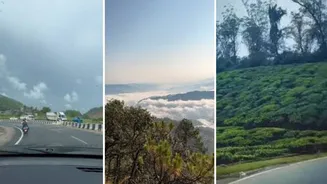
This trend isn't confined to one city. In Mumbai, seaside establishments like Bayview Cafe and Pizza By The Bay offer dramatic views of the turbulent Arabian Sea during a downpour. In Delhi, spots like Diggin and The Grammar Room, with their lush greenery and charming patios, feel like secret gardens that come alive in the rain. The phenomenon is perhaps most potent in India's hill stations. Heritage spots like Glenary's in Darjeeling and Raintree in Coorg offer views of misty valleys and fog-wrapped tea gardens, creating a cinematic, almost magical atmosphere. Each region adapts the concept to its unique environment, whether it's an urban jungle, a coastal city, or a mountain retreat, proving the universal appeal of finding a perfect spot to watch the rain.
Designed for the Senses and Social Feeds
Two major forces are fueling the popularity of rain cafés: specialized menus and social media. Many establishments now curate specific monsoon menus that go beyond the traditional. Eve in Mumbai, for instance, offers global comfort foods like Vietnamese Pho and Gochujang Ramen Bowls to warm up diners. Others, like Triveni Terrace Cafe in Delhi, lean into classic cravings with assorted pakodas and palak patta chaat. At the same time, the aesthetic of these cafés is perfectly suited for Instagram. The visual contrast of a warm, lit interior against a grey, rainy backdrop is inherently photogenic. Details like rustic wooden furniture, fairy lights, and large windows framing the downpour are designed to be shared. It’s a perfect storm where the craving for genuine comfort meets the desire to capture and broadcast a picture-perfect moment.