

At first glance, it seems impossibly simple: a hard, ring-shaped bread softened with water and topped with fresh tomatoes. Yet, this humble dish from Puglia, the heel of Italy's boot, tells a story of ingenuity, travel, and culinary wisdom.
What is a Frisella?
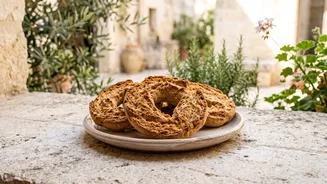
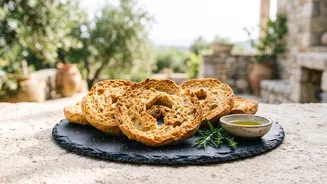
A frisella
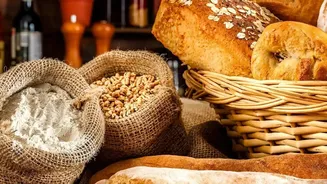
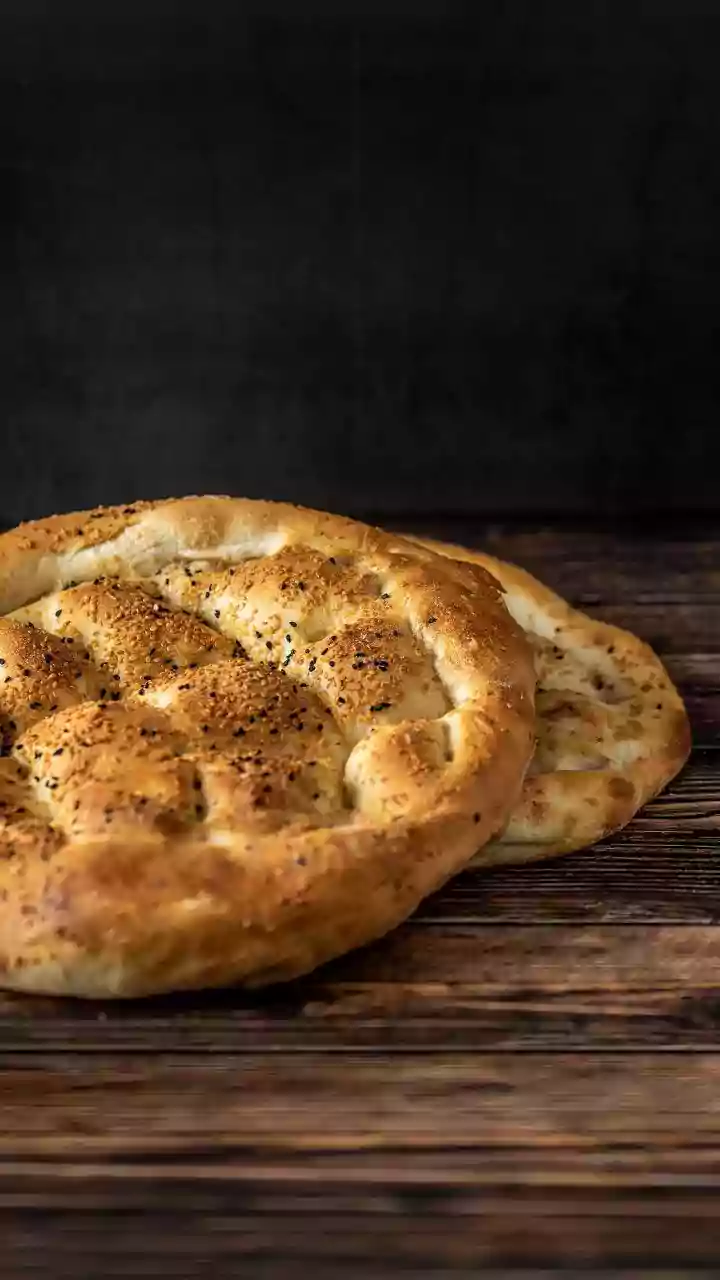
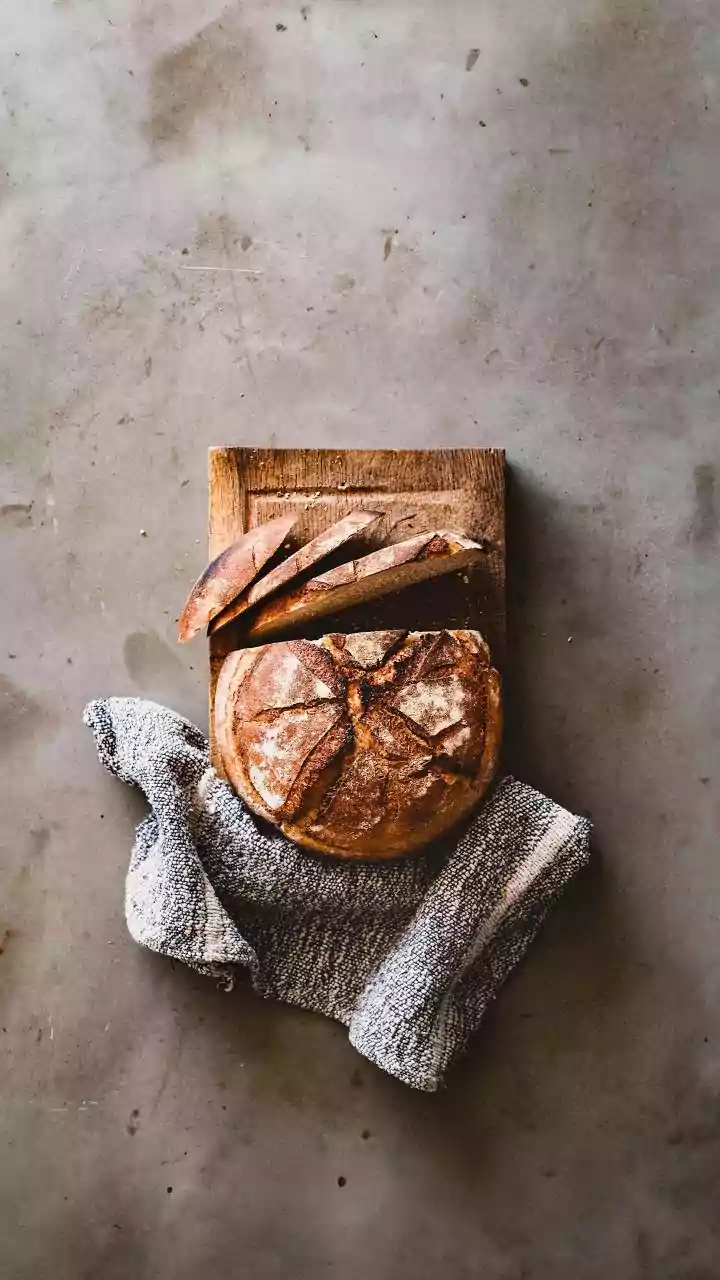
is a type of bread, but not one you would use for a soft sandwich. It’s a durable, twice-baked ring, often compared to a hard, savoury bagel or a rustic rusk. The process is key: a dough of durum wheat or barley flour is shaped into rings, baked once, then sliced horizontally and baked again. This second baking, or 'biscottato' process, removes nearly all moisture, resulting in a rock-hard bread with an incredibly long shelf life. This durability was its original purpose, designed centuries ago as the perfect provision for sailors and farmers who needed food that would not spoil over long journeys.
The Ritual of Water and Tomatoes
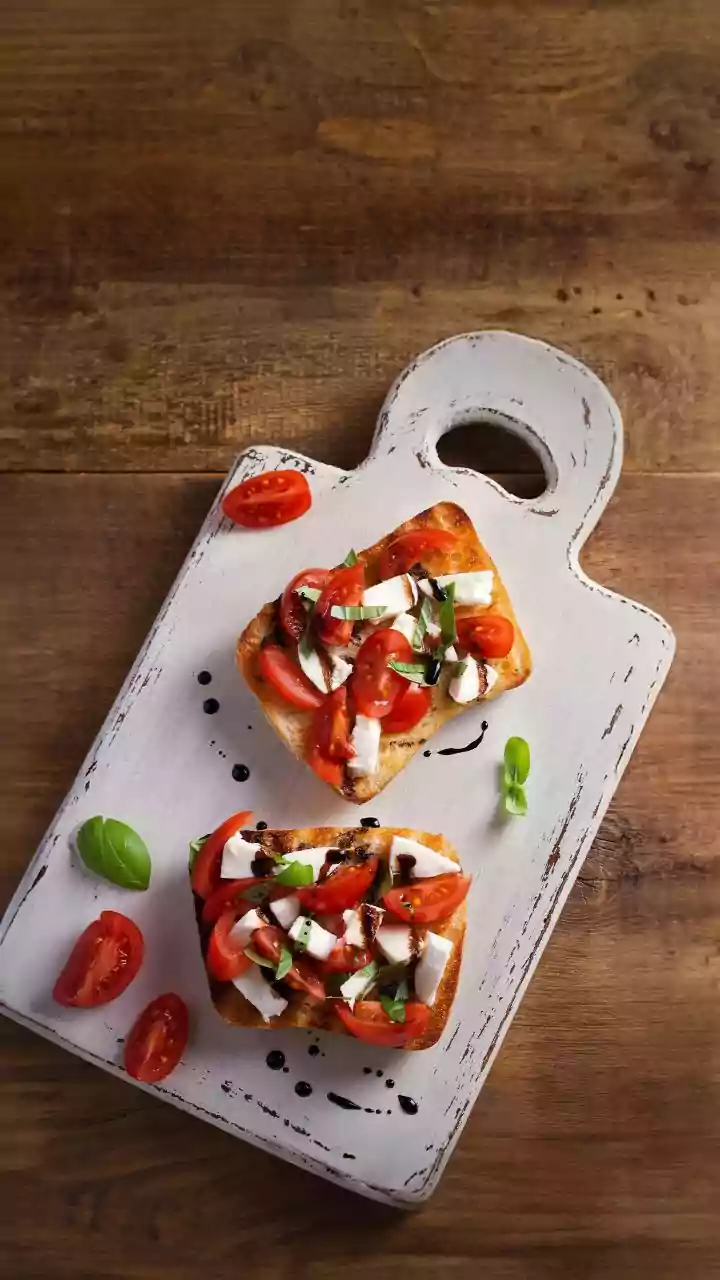
The headline gets it exactly right. Because friselle are so hard, they are inedible dry. The 'sponzatura', or the act of soaking, is an essential first step. Traditionally, this was done with seawater by fishermen at sea. Today, a quick dip in fresh cold water for a few seconds is all it takes to soften the interior while leaving some bite. Once softened, the classic topping is applied: ripe, chopped cherry tomatoes, a generous drizzle of extra virgin olive oil, a sprinkle of salt, and a pinch of dried oregano. The rough, porous surface of the frisella is perfectly designed to soak up the tomato juices and oil, creating a dish that is far greater than the sum of its parts.
A Taste of 'Cucina Povera'
Friselle are a cornerstone of 'cucina povera', the 'poor kitchen' philosophy of Southern Italy. This style of cooking is not about lack, but about resourcefulness—transforming simple, inexpensive, and readily available ingredients into something deeply satisfying. For centuries, this twice-baked bread was a staple for rural families and labourers. Barley flour versions were the everyday food of the poor, while those made from durum wheat were once considered a luxury for special occasions. This history is embedded in every crunchy, tomato-soaked bite, representing a culinary tradition born from necessity that has since become a celebrated symbol of Puglian identity.
Beyond the Classic Topping
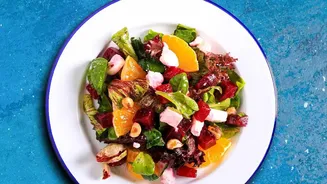
While the simple tomato and oil preparation remains the most iconic, the frisella is a versatile base for countless variations. Its neutral, toasty flavour pairs well with a wide array of ingredients, and modern interpretations abound. Common additions that stay true to the Mediterranean spirit include creamy burrata or mozzarella, briny anchovies, capers, tuna, and grilled vegetables like zucchini and aubergine. Some even venture into sweet territory with toppings like honey and nuts. The key is to use a few high-quality ingredients that complement each other, allowing the rustic character of the frisella to shine through without overwhelming it.