




The Missing Hero: Dietary Fibre
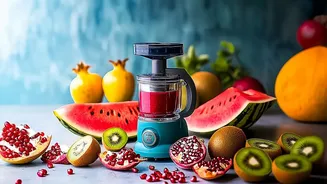
The single biggest difference between eating a whole fruit and drinking its juice is fibre. Whole fruits are packed with dietary fibre, the indigestible part of the plant found in the pulp and skin. When you eat an apple, for example, this fibre creates
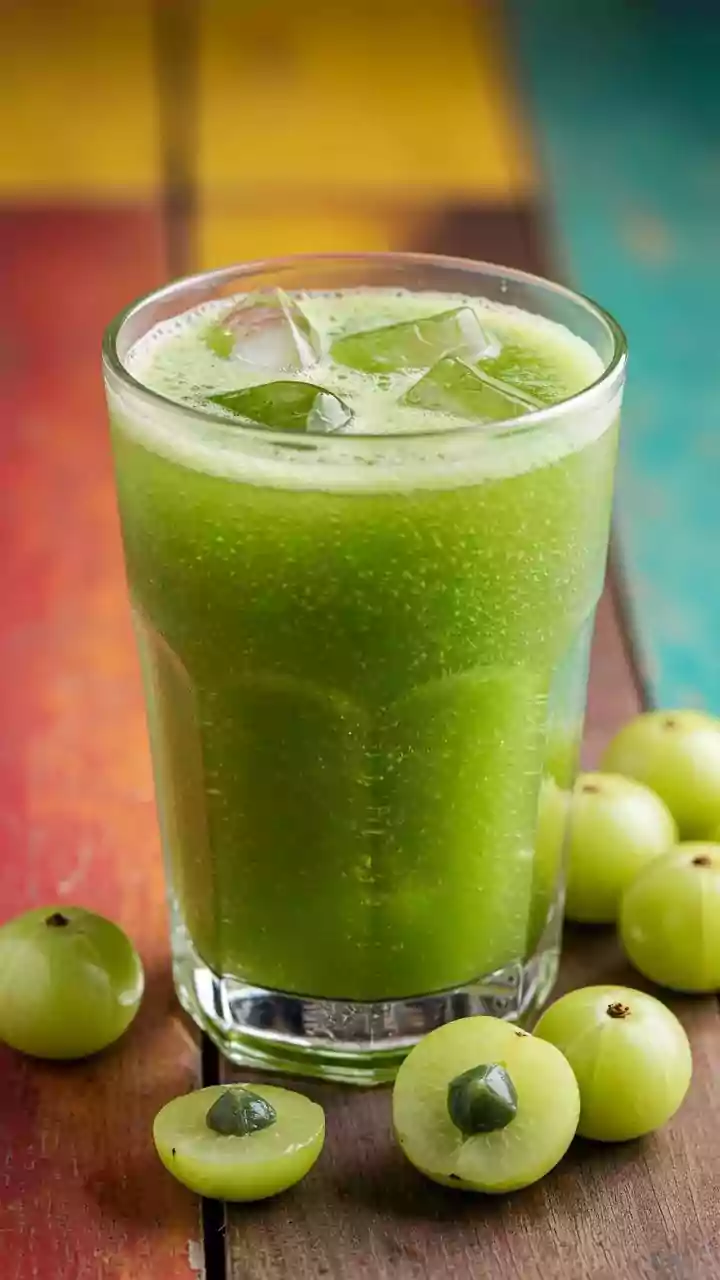
a web-like structure in your digestive system. This structure slows everything down. It helps you feel full and, crucially, it regulates how quickly your body absorbs the fruit's natural sugars. Juicing, however, removes almost all of this fibre. The process separates the liquid from the pulp and skin, leaving behind a beverage that, while containing vitamins, has lost its most important regulator. This is why a glass of juice is much less filling than the three or four oranges it took to make it.
Free Sugars vs. Intrinsic Sugars
Not all sugars are created equal in the eyes of your body. In a whole fruit, the sugars are called 'intrinsic sugars'. They are naturally bound within the fruit's cellular structure. Your body has to work to break down these cell walls to get to the sugar. In contrast, the World Health Organization defines the sugars in fruit juice as 'free sugars'. The juicing process smashes these cell walls, freeing the sugars so they are immediately available for absorption, just like the sugar you might add to your tea. This distinction is key. While the fructose molecule in an orange and in orange juice is chemically identical, its packaging makes all the difference to your metabolism.
The Blood Sugar Rollercoaster
Because fruit juice contains free sugars and no fibre to slow them down, it causes a rapid spike in blood glucose levels. Your body detects this sudden sugar rush and releases a large amount of insulin to manage it, often converting much of the sugar into fat. This can lead to a subsequent 'sugar crash', leaving you feeling hungry again soon after. Eating a whole fruit prevents this. The fibre ensures the sugar enters your bloodstream slowly and steadily, providing sustained energy without the dramatic peak and trough. Studies have consistently linked higher whole-fruit consumption with a lower risk of type 2 diabetes, while fruit juice consumption is associated with a higher risk.
What About Vitamins and Nutrients?
To be fair, 100% fresh fruit juice is not devoid of nutrition. It does retain many of the vitamins and minerals found in the original fruit, such as Vitamin C and potassium. However, the juicing process often results in nutrient loss. Many beneficial plant compounds, including antioxidants and flavonoids, are concentrated in the skin and pulp that get discarded. For instance, a raw apple with its skin on is richer in vitamins A and K, calcium, and potassium than a peeled apple or its juice. So while you are getting some nutrients from juice, you are missing out on the complete package that the whole fruit provides.
The Verdict: Whole is Best
When comparing fresh fruit juice and whole fruit, the verdict is clear: whole fruit is the superior choice for your health. Its combination of fibre, intrinsic sugars, and a full spectrum of nutrients supports stable blood sugar, better appetite control, and overall wellness. This doesn't mean you must banish juice from your life entirely. Instead, think of it as a treat rather than a daily health staple. Health experts recommend limiting your intake to a small glass (around 150ml) per day and, if possible, having it with a meal that contains fibre or protein to help slow down sugar absorption. The simple act of chewing a fruit provides satiety signals that a drink just can't replicate.