


The Shift from Fast Food to Smart Food
For years, the demand for quick meals in urban India was met by instant noodles, fried street food, and other options where convenience often overshadowed nutritional value. Hectic work schedules and long commutes left little time for traditional, elaborate
cooking. However, a quiet revolution is reshaping this landscape. Consumers are no longer just looking for speed; they're demanding nutrition. This reflects a broader transformation in how a significant and growing portion of India eats, moving beyond compromise to conscious choice. The perception that instant food is inherently unhealthy is being challenged by a new generation of products designed for the health-aware, time-poor consumer.
What's Driving the Nutrition-First Approach?
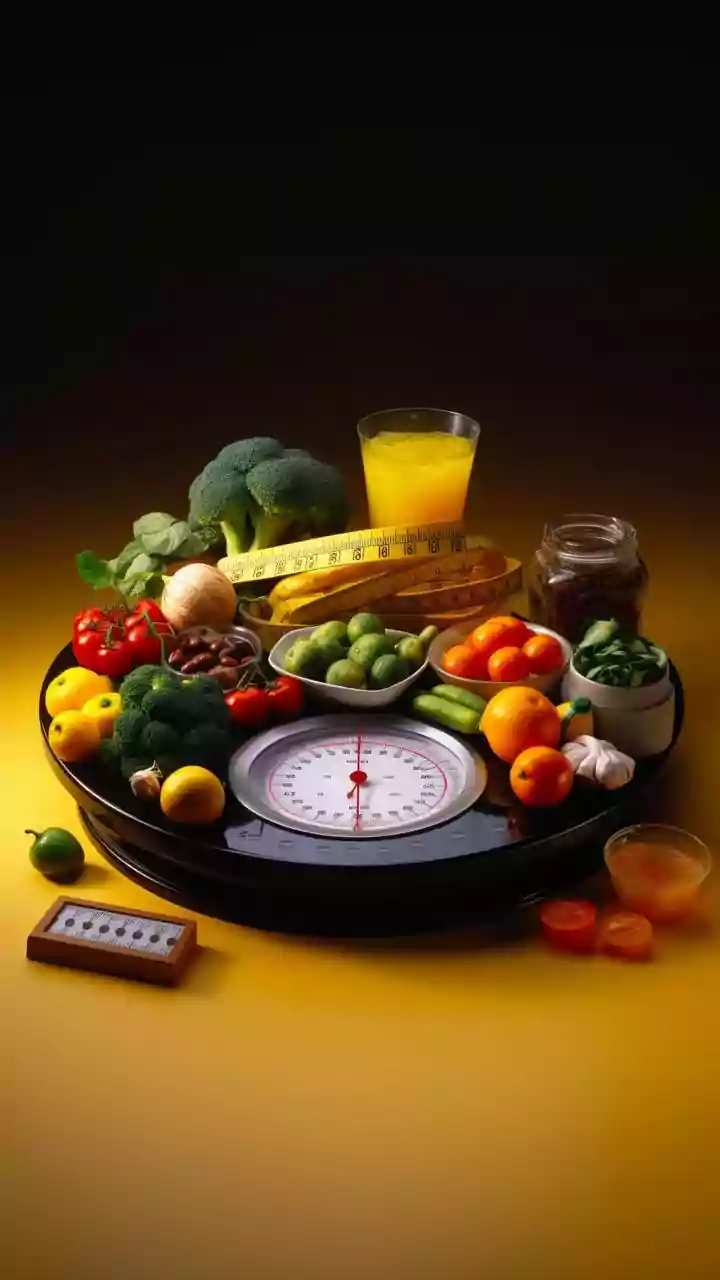
Several factors are fuelling this trend. A rising tide of health consciousness, significantly accelerated since the pandemic, has made consumers more discerning. A 2024 survey revealed that 73% of Indians now read ingredient lists and nutritional values before buying food products, with nine out of ten looking for healthier alternatives to traditional snacks. This growing awareness is particularly strong among millennials and Gen Z, who are actively seeking out foods that are high in protein, free from additives, and made with wholesome ingredients like millets and whole grains. This demographic is increasingly willing to spend more on healthy food options to support a lifestyle that values both physical and mental wellbeing.
The Rise of Healthy Convenience
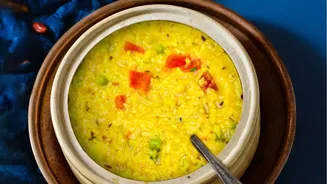
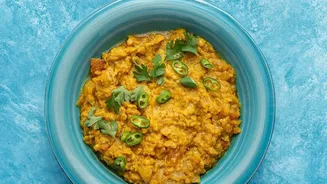
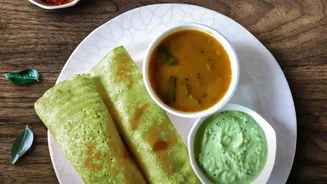
In response, the Indian food market is innovating at a remarkable pace. The ready-to-eat (RTE) market, valued in the billions of dollars and growing annually, is a hotbed for this change. Brands are launching products that directly cater to the new consumer demands. This includes protein-enriched versions of traditional breakfasts like poha, upma, and idli, which promise significant protein per serving. Millet-based products, such as khichdi and dosa mixes, are also gaining immense popularity for their high-fibre, gluten-free profiles. Beyond just ingredients, there's a focus on 'clean labels', with companies offering meals free from artificial preservatives, sometimes using advanced techniques like freeze-drying to maintain nutritional value and taste.
Reimagining Traditional Home Cooking
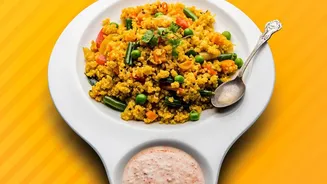
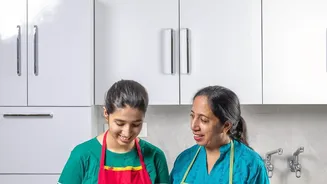
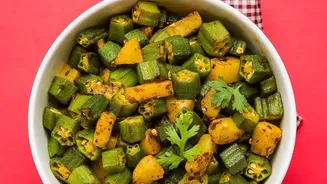
The trend isn't just about what's available on supermarket shelves; it's also changing how people cook at home. The cultural expectation of cooking elaborate fresh meals daily is being re-evaluated to fit modern realities, especially for working women. Many are now embracing techniques like meal prepping and batch cooking—concepts that were once resisted. This involves preparing base components like chopped vegetables, boiled legumes, or basic sauces over the weekend to assemble quick and healthy meals during the week. Simple, 15-minute recipes for dishes like Paneer Bhurji, Moong Dal Chilla, or a one-pot vegetable pulao are becoming staples for busy weeknights, proving that a home-cooked Indian meal doesn't have to be an hour-long affair.
How to Eat Healthy When You're Short on Time
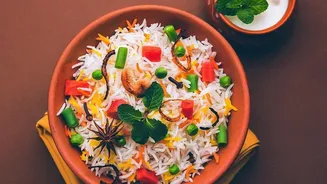
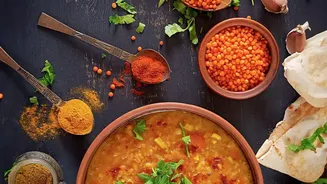
Navigating a busy schedule without sacrificing nutrition is achievable with a few smart strategies. First, stock your pantry with healthy instant options like protein-rich oats, millet mixes, and ready-to-eat dals, but always check the label for hidden sugars and sodium. Second, dedicate an hour or two on the weekend to meal prep: boil some chickpeas, make a large batch of dal, or prepare a versatile ginger-garlic paste. Third, embrace your pressure cooker or one-pot cooking methods to create balanced meals like vegetable biryani or kurma with minimal effort. Finally, don't underestimate the power of healthy snacking on items like roasted makhana, nuts, and seeds to keep you energised between meals and prevent unhealthy cravings.