




The Science of Sitting Still
Our joints are lubricated by a substance called synovial fluid, which acts like engine oil to help bones glide smoothly. When we move, this fluid circulates, stays warm, and keeps everything moving friction-free. But when you sit for long periods, this fluid cools
and thickens, making that first movement feel stiff or sticky. Movement acts as a pump, pushing nutrients into the cartilage and flushing out waste. Without this pumping action, cartilage can be starved of what it needs to stay healthy, and muscles in a fixed position (like bent hips) can shorten and tighten, contributing to imbalances and discomfort.
More Than Just an Ache
While temporary stiffness is the most immediate symptom, a chronic lack of movement can lead to more significant issues. Over time, the muscles that support your joints can weaken from disuse. This forces the joints themselves to bear more stress, which can accelerate wear and tear and increase the risk of developing chronic conditions like osteoarthritis. It also affects circulation, as muscle contractions are needed to help pump blood back to the heart. Reduced blood flow means less oxygen for your tissues, which can lead to that heavy, fatigued feeling in your limbs.
The Power of the Micro-Break
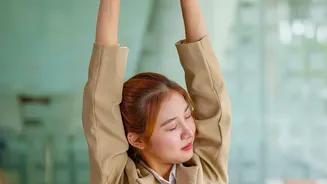
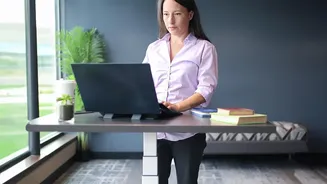
The solution isn’t necessarily a complete overhaul of your workday. Research shows that short, frequent 'micro-breaks' are incredibly effective at combating the effects of sitting. The goal is to interrupt prolonged periods of stillness. Aim to stand, stretch, or walk for just one to five minutes every 30 to 60 minutes. These small bursts of activity are enough to warm up the synovial fluid, boost circulation, reset your posture, and relieve muscle tension before it builds into significant pain. Studies have even found that these breaks can improve focus, reduce mental fatigue, and make you more productive.
Simple Moves to Reclaim Your Joints
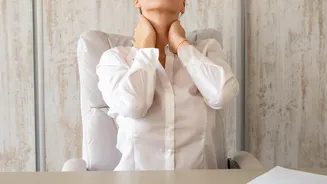
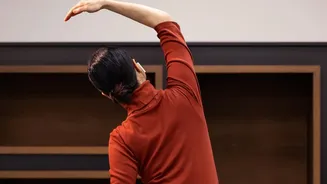
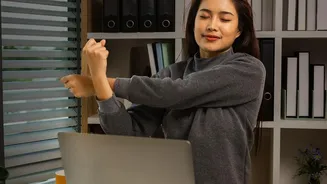
You don't need a gym or special equipment to get your joints moving. These simple exercises can be done right at your desk: 1. Seated Torso Twist: Sit tall and gently twist your upper body to one side, using the chair for a light stretch. Hold for 15-30 seconds and repeat on the other side. This helps with spinal mobility. 2. Shoulder Blade Squeezes: Sit or stand tall and pull your shoulder blades together and down, as if trying to make them touch. Hold for 5 seconds and release. This counteracts slouching and relieves upper back tension. 3. Figure-Four Stretch: While seated, cross one ankle over the opposite knee. Gently lean forward until you feel a stretch in your hip and glute. Hold for 20-30 seconds before switching sides. This is excellent for tight hips. 4. Neck Tilts: Slowly tilt your head, bringing your ear toward your shoulder without forcing it. Hold for 15 seconds, then repeat on the other side to ease neck strain. 5. Fist to Fan: Make a tight fist with your hand and hold for a few seconds, then spread your fingers as wide as possible. This is great for relieving stiffness from typing.