




North vs. South: Choose Your Zone
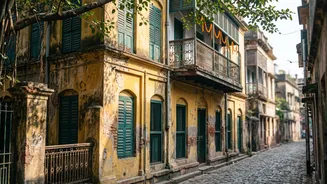
The first rule of manageable pandal-hopping is to not cross the city in a single day. Kolkata's pandals are broadly divided into two distinct zones: North and South. North Kolkata offers traditional (bonedi bari) pujas and community pandals tucked away
in narrow lanes, best explored on foot. The vibe is nostalgic and concentrated. South Kolkata is known for its sprawling, ambitious theme-based pandals with massive art installations. Trying to cover both on the same night is a recipe for getting stuck in traffic. A wiser approach is to dedicate separate days to each zone. Pick one area, immerse yourself in its unique flavour, and save the other for another day. This simple choice immediately makes your route more logical and less frantic.
Timing Is Your Greatest Advantage
Experienced pandal-hoppers know that avoiding peak hours is crucial. The largest crowds gather between 8 PM and midnight, especially on Saptami, Ashtami, and Navami. To see the art and idols in relative peace, plan your visits for the quieter windows. The best time is often early in the morning, between 8 AM and 11 AM, when the previous night's revellers are still asleep. Another strategic window opens late at night, from 1 AM onwards, when many major pandals are still open but the queues have thinned out considerably. Some of the most dedicated enthusiasts even start as early as 4 AM to see the lights without the crowds. Visiting on Panchami or Shashthi, particularly if they are weekdays, is another great way to see the main attractions before the city-wide rush begins.
Embrace the Metro, Forget the Car
During the five main days of Puja, driving is largely futile. Roads around major pandals are often barricaded or closed to vehicles, and parking is nearly impossible. Your best friend is the Kolkata Metro. Metro Railway runs special all-night services on the busiest days (Saptami to Navami), with trains on the main Blue Line (Dakshineswar-Kavi Subhash) and Green Line (Howrah Maidan-Salt Lake Sector V) often running until 4 AM. This makes it the most efficient way to travel between North and South Kolkata or to reach a major hub. From the metro station, walking or taking short auto-rickshaw rides is the best way to navigate the final stretch to the pandals. Plan your route by identifying pandal clusters near metro stations.
Plan by Cluster, Not by Fame
Instead of creating a 'greatest hits' list of famous pandals scattered across the city, think in terms of clusters. Focusing on a neighbourhood allows you to walk between several pandals, soaking in the local atmosphere without spending hours in transit. For example, in South Kolkata, you can explore the cluster around the Deshapriya Park and Rashbehari Avenue area, which includes renowned names like Tridhara Sammilani, Shib Mandir, and Maddox Square. Similarly, in the North, the area around Shyambazar and Sovabazar metro stations provides walking access to giants like Bagbazar Sarbojanin and the traditional pujas of Kumartuli. Many websites and apps now provide ready-made cluster maps that group pandals by proximity, making it easy to plan a route that maximises sights and minimises travel time.
Comfort and Safety Are Non-Negotiable
Pandal-hopping involves a tremendous amount of walking and standing in queues. Comfortable footwear is an absolute must. Wear breathable clothes and carry a water bottle to stay hydrated. A small backpack with a power bank, some light snacks, and any necessary medications is also a good idea. While Kolkata is generally safe during the festival, be mindful of your belongings in dense crowds. Kolkata Police maintains a heavy presence, with assistance booths set up near major pujas. Pandal organisers are also instructed to have clear, separate entry and exit points to manage crowd flow and ensure safety. Follow the designated queues and listen to instructions from volunteers and police.