




What is a Dark-Sky Getaway?
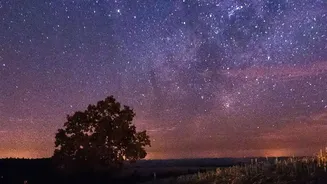
A dark-sky getaway, or astrotourism, is about travelling to remote locations intentionally free from artificial light pollution to experience the night sky in its full, breathtaking glory. In our cities and towns, the constant glare from streetlights,
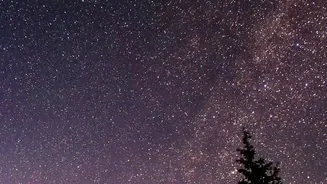
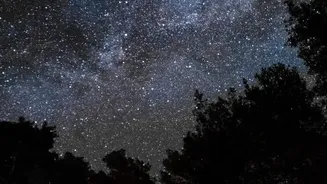
buildings, and advertising creates a phenomenon known as 'sky glow', which washes out all but the brightest stars. Dark-sky destinations are areas where skies are so clear that you can see the Milky Way, constellations, and even distant galaxies with the naked eye. These are places that actively protect their nocturnal environment, offering a rare and profound connection with the cosmos that our ancestors experienced nightly. It's not just about looking up; it’s about rediscovering a fundamental part of our natural world that has been lost to urbanisation.
The Real 'Off' Switch
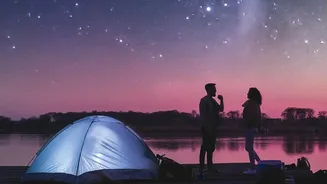
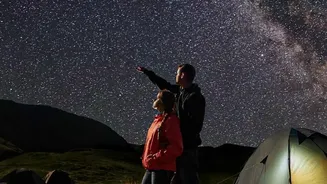
The phrase 'digital detox' has become a buzzword, but its benefits are tangible. Constantly being connected to devices can lead to mental fatigue, reduced attention spans, and increased stress. A dark-sky trip forces a natural disconnect. With little to no mobile network and the captivating spectacle of the universe unfolding above, the urge to scroll disappears. It is replaced by a sense of wonder and presence. Studies show that spending time in nature, away from screens, improves cognitive function, reduces stress, and enhances emotional well-being. Stargazing takes this a step further, encouraging mindfulness and a shift in perspective. Confronted with the sheer scale of the universe, our own daily worries can feel refreshingly small and manageable.
Hanle, Ladakh: India's Crown Jewel
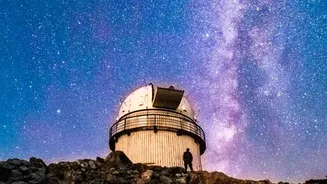
When it comes to stargazing in India, Hanle is the undisputed champion. Located in the Changthang Wildlife Sanctuary, it is officially recognised as India's first Dark Sky Reserve. At an altitude of 4,500 metres, the air is thin, dry, and exceptionally clear, offering some of the darkest skies in the world. Here, the Milky Way is not a faint smudge but a brilliant, detailed river of light stretching from horizon to horizon. To preserve this pristine environment, local communities have been trained as astronomy guides and equipped with telescopes, ensuring that tourism directly supports the region's sustainable development. A trip to Hanle is more than a holiday; it's an immersive astronomical pilgrimage.
Spiti Valley, Himachal Pradesh: A High-Altitude Desert
Spiti Valley is another Himalayan paradise for star-lovers. This high-altitude cold desert boasts minimal light pollution and over 250 clear nights a year, making it a prime location for celestial observation. Villages like Kaza, Kibber, and Langza serve as perfect bases for exploring the cosmos. Imagine the silhouette of a thousand-year-old monastery against a backdrop of infinite stars. The dry climate and high altitude result in exceptionally crisp and clear views. The best time to visit for stargazing is from May to September when the weather is accessible and the skies are at their most brilliant.
Rann of Kutch, Gujarat: A Celestial Salt Desert
For a truly unique stargazing experience, look no further than the Great Rann of Kutch. The vast, flat expanse of the white salt desert provides an incredible, unobstructed 360-degree view of the sky, making you feel like you are inside a giant planetarium. During the winter months, especially around the time of the Rann Utsav, the dry weather ensures crystal-clear nights. The reflection of the starlight on the salt flats creates a surreal, otherworldly landscape. The absence of urban light pollution makes it an ideal spot to witness meteor showers and spot constellations with stunning clarity.
Coorg, Karnataka: Stargazing in the South
Proving that you don’t have to go to the Himalayas for dark skies, Coorg in Karnataka offers some of the best stargazing opportunities in southern India. Nestled in the Western Ghats, away from the light-polluted domes of Bengaluru and Mysuru, certain areas in Coorg boast remarkably dark skies. The clear winter and summer months, from November to May, are the ideal time to visit. The air is clean, and the high altitude of the coffee plantations provides excellent viewing conditions. Several resorts and specialised observatories now offer guided stargazing sessions with powerful telescopes, making it an accessible and enchanting experience for all.