






The Viral 'Black Milk' Claim
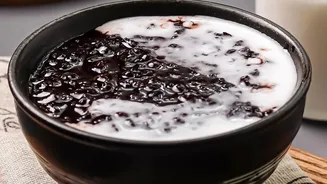
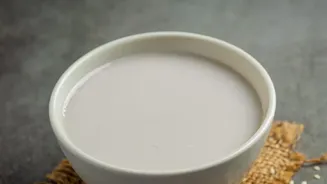
Recently, actress Adah Sharma shared a video of her making what she calls 'black milk'. The recipe involves blending roasted black sesame seeds (til) with cashews, dates, and water, then straining the mixture through a cloth. The resulting drink is promoted
as a secret to beautiful skin and hair. The core idea is that consuming this nutrient-rich milk translates directly to external beauty, a concept that quickly captured widespread attention online and sparked a new wellness trend. Sharma also suggests using the leftover pulp as a face pack for exfoliation and a glowing complexion.
The Power of Black Sesame
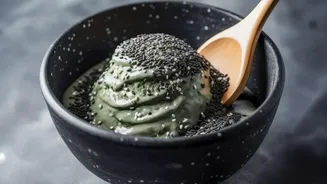
Black sesame seeds are far from a new discovery; they are a nutritional powerhouse with deep roots in traditional medicine, including Ayurveda and Chinese practices. These tiny seeds are packed with essential minerals like calcium, iron, magnesium, and zinc. They are also an excellent source of copper, a mineral crucial for various bodily functions. Furthermore, they contain powerful antioxidants, notably lignans like sesamin and sesamolin, which help fight oxidative stress in the body. Their healthy fat profile, rich in monounsaturated and polyunsaturated fats, adds to their list of benefits, supporting everything from heart health to cellular function.
What Science Says About Skin and Hair
Many of the nutrients in black sesame seeds do, in fact, support healthy skin and hair. The healthy fats and Vitamin E contribute to skin moisture and elasticity, helping to maintain the skin's barrier. Antioxidants combat free radical damage, a key factor in premature aging and dull skin. For hair, nutrients like iron and zinc are vital for follicle health and strength. A deficiency in these minerals is often linked to hair thinning and shedding. Therefore, including black sesame seeds in a balanced diet can provide the building blocks your body needs for healthy hair and skin maintenance. It's not a magic potion, but a source of supportive nutrition.
Debunking the 'Grey Hair Reversal' Myth
The most extraordinary claim often attached to black sesame is its ability to reverse grey hair. This idea stems from traditional medicine and the fact that the seeds are rich in copper, which plays a role in melanin (pigment) production. However, there is no strong scientific evidence to prove that eating any food can reverse existing grey hair. Greying is a complex process largely determined by genetics and age, where the pigment-producing cells in the hair follicles stop working. While severe nutrient deficiencies can sometimes contribute to premature greying, restoring those nutrients doesn't guarantee a reversal. The seeds can support overall hair health, but they are not a cure for grey hair.
The Celebrity Wellness Trap
Adah Sharma's recipe is a perfect example of a wider trend: celebrity-endorsed wellness fads. While often well-intentioned, these trends can create unrealistic expectations. A celebrity's glowing skin is the result of a combination of factors, including genetics, access to top dermatologists, professional chefs, and a rigorous lifestyle, not just one 'miracle' drink. Nutritionists often caution against blindly following these trends, as they may not be suitable for everyone and can sometimes be based on exaggerated or unproven claims. What works for one person is anecdotal evidence, not scientific proof. It’s important to remember that consistency in a balanced diet is more impactful than chasing the latest viral recipe.