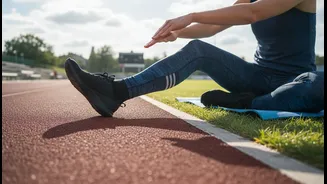







What is Active Recovery?
Active recovery is the practice of engaging in low-intensity exercise after a more strenuous workout. Unlike passive recovery, which involves complete rest like sitting on the couch or sleeping, active recovery keeps your body moving gently. Think of it as a cool-down
for your entire system, not just the ten minutes after your workout. The goal is to aid your body's natural repair processes, helping you bounce back faster and more effectively from intense physical activity. It’s about moving with purpose to heal, rather than stopping completely.
The Science of 'Moving to Heal'
When you perform strenuous exercise, your muscles experience micro-tears and a buildup of metabolic waste products, like lactic acid. While passive rest allows the body to heal, active recovery can accelerate this process. Low-intensity movement increases blood flow to your muscles and tissues. This enhanced circulation delivers more oxygen and vital nutrients to the areas that need repairing, while also helping to flush out the waste products that contribute to muscle soreness and stiffness. Studies have shown that this process can significantly reduce delayed onset muscle soreness (DOMS) and improve flexibility.
Smarter Training, Better Results
Incorporating active recovery isn't about taking it easy; it's about training smarter to achieve better long-term results. By actively aiding your body's recovery, you reduce the risk of overtraining and injury. Your muscles become less stiff, your joints remain mobile, and you feel more prepared for your next high-intensity session. This allows for greater consistency in your training, which is the true key to progress. Some research has even shown that athletes who use active recovery can perform better and longer in their subsequent workouts compared to those who only rest passively. It turns your 'off days' into strategic sessions that build your overall fitness and resilience.
How to Practice Active Recovery
The key to active recovery is keeping the intensity low and the impact minimal. Your heart rate should be elevated but still low enough to hold a conversation comfortably. Effective and accessible active recovery exercises include:
Walking or light jogging: A simple way to get blood flowing without stressing your joints.
Cycling: A low-impact option that's great for flushing out leg muscles.
Swimming: The buoyancy of water makes this a zero-impact activity that's easy on sore joints.
Yoga: Combines gentle stretching, balance, and mindfulness to release muscle tension.
Foam Rolling: A form of self-massage that can help release tight spots and muscle knots.
Dynamic Stretching: Flowing movements like leg swings and arm circles can improve your range of motion.
When to Schedule It
You can integrate active recovery into your routine in several ways. A short 10-15 minute session can serve as an effective cool-down immediately after a tough workout. However, the most common approach is to dedicate one of your rest days to a longer, 20-40 minute active recovery session. This is especially beneficial after particularly gruelling strength or cardio days. The most important rule is to listen to your body. If you're feeling exceptionally fatigued, experiencing sharp pain, or feeling unwell, a day of complete passive rest might be more beneficial.