





1. Inspect Your Roof and Exterior Walls
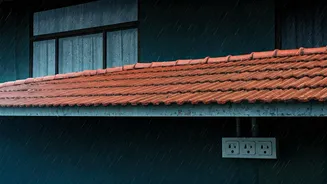
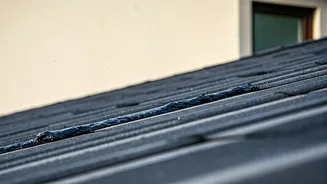
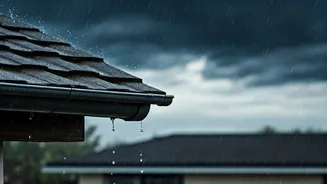
Your home's first line of defence against rain is its roof and exterior. Before the first heavy shower, it’s crucial to conduct a thorough inspection. Look for any loose, missing, or cracked tiles on the roof. Even a small gap can allow a surprising amount
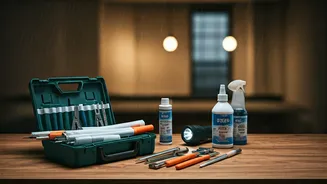
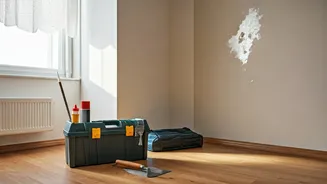
of water to seep in, leading to damp patches on your ceiling and potential structural damage over time. Similarly, scan your exterior walls for cracks. These can be easily filled with waterproof sealant. If your terrace or roof hasn't been waterproofed recently, consider applying a fresh coat. This preventative measure is far less expensive than repairing extensive water damage later.
2. Clear All Drains and Gutters
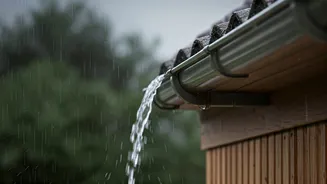
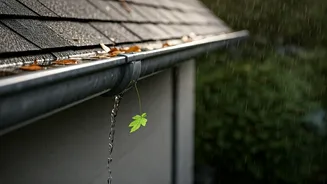
This is perhaps the most critical task on your monsoon checklist. Over the dry months, gutters, drains, and drainpipes inevitably collect leaves, dust, and other debris. When the rain comes, these blockages prevent water from flowing away from your home. The result? Water overflows onto your roof, runs down your walls, or worse, floods your terrace and seeps into your home. Clogged ground-level drains can also cause waterlogging around your property's foundation. Grab a pair of gloves, clear out all visible debris, and use a hose to flush the pipes and ensure water flows freely.
3. Seal Gaps in Doors and Windows
Wind-driven rain has a knack for finding its way through the tiniest gaps around windows and doors. Inspect the frames of all your windows and exterior doors. If you notice any cracks or gaps between the frame and the wall, use a good quality silicone sealant to fill them. For wooden doors and windows that may have swollen or warped, check if they close properly. A poorly fitting door can let in water and create damp patches on your floor. Adding rubber weather stripping to the bottom of doors is an inexpensive way to create a better seal against rainwater.
4. Prioritise Electrical Safety
Water and electricity are a dangerous combination. Before the monsoon, have an electrician check your home’s wiring. Pay special attention to any exterior wiring, such as for gate lights, water pumps, or air conditioning units. Ensure all outdoor sockets are waterproof and that your home’s earthing system is functioning correctly to prevent shocks. Inside, look for any wiring that runs close to areas prone to seepage. If you have any exposed wires, get them fixed immediately. It's also a good idea to know the location of your main circuit breaker in case of an emergency.
5. Secure Your Garden and Balcony
Strong monsoon winds can turn loose objects into dangerous projectiles. Take a walk around your garden, balcony, or terrace. Trim any overgrown tree branches that are close to your house or overhead power lines, as they could break and cause damage in a storm. Secure any potted plants, outdoor furniture, or decorative items that could be blown over or carried away by the wind. If you have antennas or satellite dishes, check that they are firmly mounted and not at risk of being dislodged.
6. Prepare for Power Cuts
Power outages are a common occurrence during heavy rains. Don’t be caught in the dark. Prepare a basic emergency kit with essentials like torches, spare batteries, candles, and a matchbox. Charge up your power banks and emergency inverter lights. It’s also wise to have a stock of ready-to-eat snacks and bottled water on hand, just in case a prolonged power cut affects your ability to cook or use your water purifier. Having these items ready will make any outage much more manageable and less stressful.
7. Check for Damp and Protect Furnishings
High humidity during the monsoon can lead to dampness inside the home, causing a musty smell and promoting the growth of mould and mildew. This can damage your walls, clothes, and wooden furniture. Move your furniture a few inches away from the walls, especially exterior ones, to allow for better air circulation. Place moisture absorbers like silica gel packets or camphor balls in your wardrobes and cabinets. On dry, sunny days, open up your windows to ventilate the house and let in sunlight, which is a natural disinfectant.