




More Than Just a Yoga Pose
If you've ever stepped into a yoga class, you've likely spent time in Downward-Facing Dog. For decades, it has been a cornerstone of yoga practices, from Hatha to Vinyasa. It’s often used as a transitional or a resting pose, but its benefits go far beyond
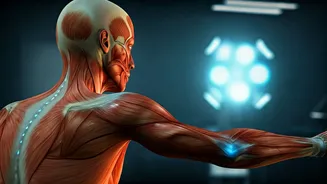
that. What makes it so enduring is its powerful combination of strengthening and stretching. In one seemingly simple posture, you engage and lengthen muscles across your entire body. It is a full-body experience that stretches the hamstrings, calves, and back while building strength in the arms, shoulders, and core. This unique dual action is why it's considered one of the most powerful and foundational postures in yoga.
The Full-Body Physical Benefits
The physical rewards of regularly practicing Downward Dog are extensive. As a weight-bearing exercise, it helps build bone density, which is crucial for preventing conditions like osteoporosis. The pose places weight on the arms and shoulders, strengthening the upper body. It’s also celebrated for its ability to decompress and elongate the spine, which can help alleviate back pain, especially for those who spend long hours sitting. By stretching the back of the legs—including hamstrings, calves, and Achilles tendons—it improves overall flexibility. Furthermore, because your head is below your heart, it's considered an inversion. This position boosts circulation, helping to flush toxins and improve blood flow to the brain, which can leave you feeling energized.
A Moment of Mindfulness
Beyond the physical, Downward Dog offers significant mental health perks. The gentle inversion can have a calming effect on the nervous system, helping to relieve stress and even mild depression. Increased blood flow to the brain may help ease headaches and combat mental fogginess. Holding the pose requires focus and steady breathing, which anchors you in the present moment. Many practitioners use it as a moment to 'take inventory' of their body, noticing areas of tension or openness without judgment. This mindful check-in is a form of self-care that can reduce anxiety and promote a sense of well-being.
How to Achieve the Perfect Pose
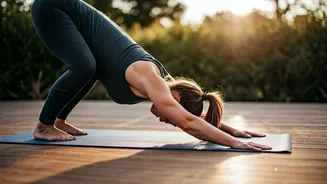
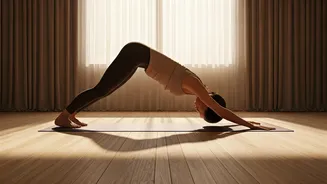
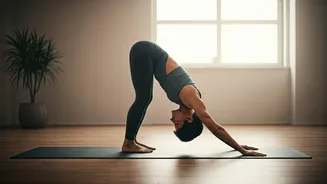
Proper form is key to unlocking the benefits and preventing injury. Start on your hands and knees in a tabletop position. Your hands should be shoulder-width apart, with fingers spread wide to create a stable base. As you exhale, tuck your toes and lift your hips high, forming an inverted 'V' shape with your body. Aim to create a straight line from your wrists through your shoulders to your hips. It’s a common misconception that your heels must touch the floor; it's more important to maintain a long spine. Feel free to keep a generous bend in your knees, especially if you have tight hamstrings. Let your head hang freely between your upper arms, and gaze toward your navel or thighs.
Common Mistakes to Avoid
Many people make a few common mistakes. One is rounding the back. To fix this, bend your knees more to allow your spine to lengthen. Another error is letting the shoulders bunch up by the ears; instead, actively press the floor away and broaden across your shoulder blades. Also, avoid putting too much weight on your wrists by pressing down through all parts of your hands, especially the base of your fingers. Remember, the goal isn't to force your legs straight or your heels down, but to create length and stability throughout the pose. Listening to your body is more important than achieving a picture-perfect shape.
Variations for Every Body
One of the best things about Downward Dog is its versatility. If the full pose feels too intense, there are many modifications. Beginners can practice with their hands on a wall or on yoga blocks to reduce the weight on their wrists and shoulders. Placing a rolled-up blanket under your heels can provide support if your calves are tight. For a more dynamic version, you can 'walk the dog' by bending one knee and then the other. More advanced practitioners might try lifting one leg for a Three-Legged Dog or adding a twist by reaching one hand to the opposite ankle.