




The Rise of the Micro-Vacation
The traditional concept of saving up all your leave for one big annual holiday is fading. In its place, a more spontaneous and frequent travel habit is emerging, popularly dubbed the 'micro-vacation'. Instead of one long trip, many Indians are now choosing
to take several shorter breaks throughout the year. Reports from 2026 show that this shift is significant, with some data suggesting the average domestic leisure trip now lasts less than two nights. This trend is driven by a desire for regular escapes from the daily grind, with travellers booking trips simply to de-stress or as a form of self-care. This move from milestone-driven holidays to 'lifestyle-led' travel means any long weekend can become an opportunity for a new experience, without the extensive planning and budget of a major vacation.
From Rituals to Road Trips
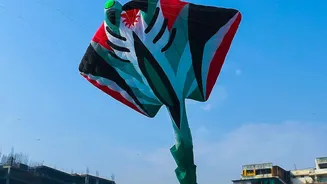
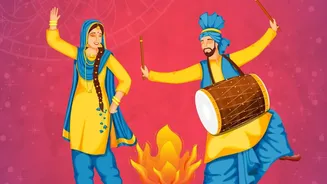
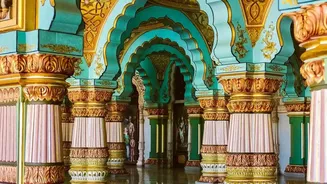
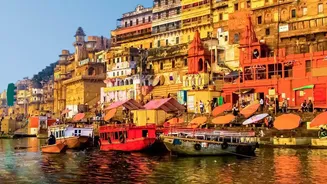
Festivals have always been a cornerstone of Indian culture, but their role in our travel plans is evolving. Once a time reserved for family rituals at home, festival periods are now powerful catalysts for tourism. Travel industry experts note that regional celebrations like Durga Puja in Kolkata, Ganesh Chaturthi in Maharashtra, and Navratri in Gujarat are increasingly becoming travel triggers. A 2026 report highlighted that nearly three-quarters of Indian travellers would consider planning an entire trip around a cultural or religious festival. This isn't just about pilgrimage; it's about experiencing the vibrant culture, food, and energy of a place during its most celebratory moments. Cities like Varanasi during Dev Deepawali or Mysuru during Dasara are seeing heightened interest from travellers who want to combine a holiday with a unique cultural immersion.
India’s Favourite Quick Escapes
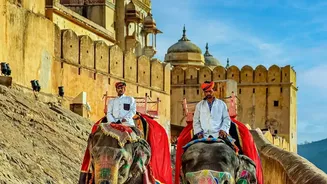
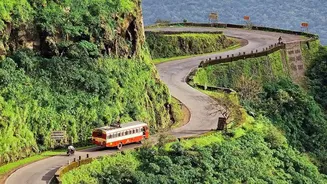
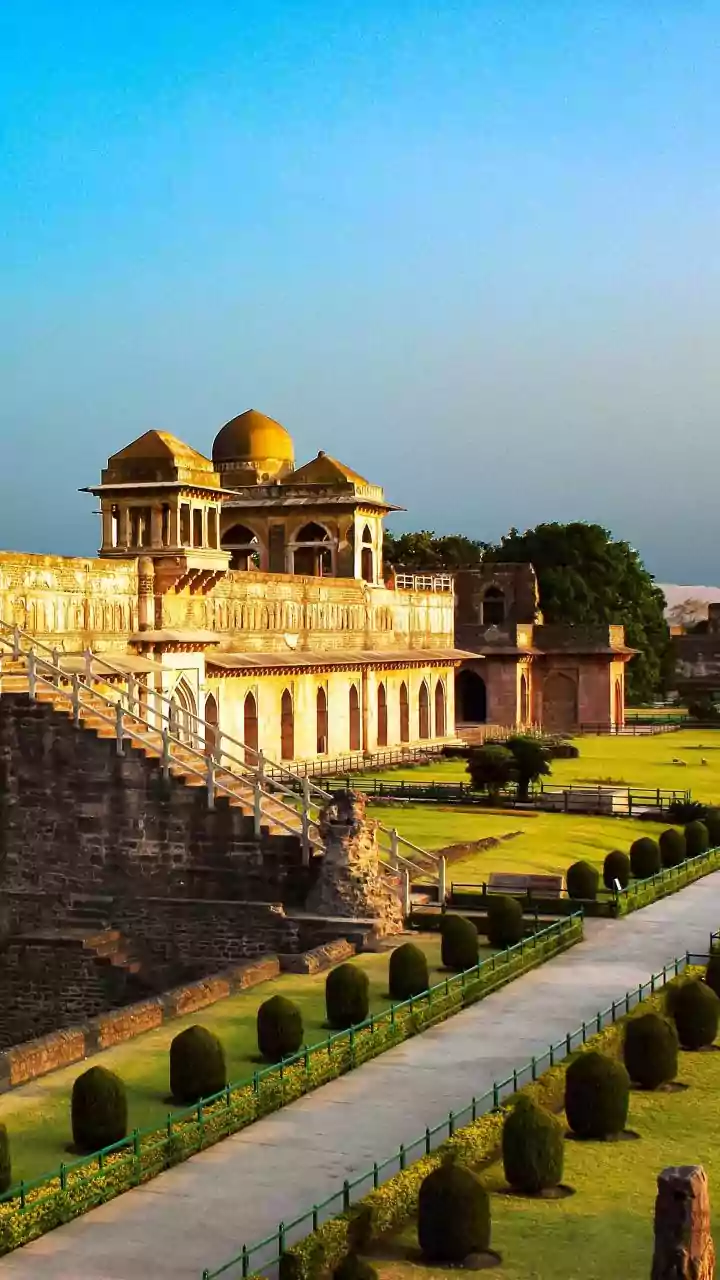
So, where are people heading on these short breaks? The destinations are as diverse as the travellers themselves. For those seeking a quick retreat from city life, conveniently located hill stations and coastal towns remain top choices. Places like Lonavala, Mahabaleshwar, Coorg, and Pondicherry offer easy access to resorts and scenic beauty, perfect for a 3-4 day trip. For travellers wanting a dose of culture and history, heritage cities like Jaipur, Udaipur, and Amritsar are perennial favourites. At the same time, a growing number of adventurers are looking beyond the usual hotspots. So-called 'hidden gems' and offbeat destinations, particularly in Northeast India, have seen a massive surge in interest, with travellers drawn to their unique landscapes and authentic local experiences.
The New Economics of Travel
This trend towards shorter, more frequent trips is creating what some call a 'micro-holiday economy'. Interestingly, shorter doesn't always mean cheaper. While the overall trip cost may be lower than a ten-day holiday, many travellers are opting for premium experiences during their short breaks. Data shows a significant number of bookings are for four and five-star properties, indicating a willingness to spend on comfort and luxury for a shorter duration. However, the festive element adds a layer of complexity. While a regular long weekend might allow for spontaneous booking, major festivals like Diwali and Dussehra see a dramatic spike in demand. Airfares on popular routes can increase significantly, so planning and booking well in advance is essential to avoid inflated prices.
Planning Your Perfect Festival Getaway
To make the most of the next festival break, a little planning goes a long way. The first step is to identify the key holiday windows. For 2026, major festivals like Dussehra (October 20) and Diwali (November 8) create distinct travel waves. Booking flights and hotels at least two to three months in advance for these peak periods is highly recommended to secure reasonable prices. For a less crowded experience, consider travelling in the shoulder period between major festivals, such as late October. If your destination is well-connected by rail, trains can be a cost-effective alternative to flights. For any short trip, packing light can save on baggage fees, especially with budget airlines. Finally, look beyond the main festival day; travelling a day or two earlier or later can often lead to significant savings and a more relaxed journey.