




Why Forcing It Backfires
As loving pet owners, we want to show off our furry family members. However, pushing a timid dog or cat into a social situation is counterproductive and can be harmful. For an animal that is already scared, being forced to confront its fear—a stranger
in its safe space—doesn't teach it to be brave; it teaches it that its feelings of anxiety are justified and that it cannot trust you to protect it. Animal behaviourists explain that this approach can increase fear, break the bond of trust between you and your pet, and can even lead to aggression as a last resort. A pet that feels cornered may eventually growl, hiss, or even bite to make the scary thing go away. This isn't malice; it's a desperate plea for space.
Read Your Pet's Body Language
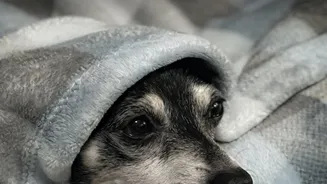
Pets communicate their stress long before they resort to aggressive displays. Learning to read these subtle cues is crucial for preventing a situation from escalating. For dogs, signs of stress can include yawning when not tired, excessive lip licking, showing the whites of their eyes (known as 'whale eye'), a tucked tail, or flattened ears. Cats often show stress by hiding, flicking their tail, rotating their ears backward, or over-grooming. Both might become unusually still or try to make themselves smaller. Recognizing these signals allows you to intervene and remove them from the stressful situation before they feel overwhelmed.
Create a Safe Sanctuary
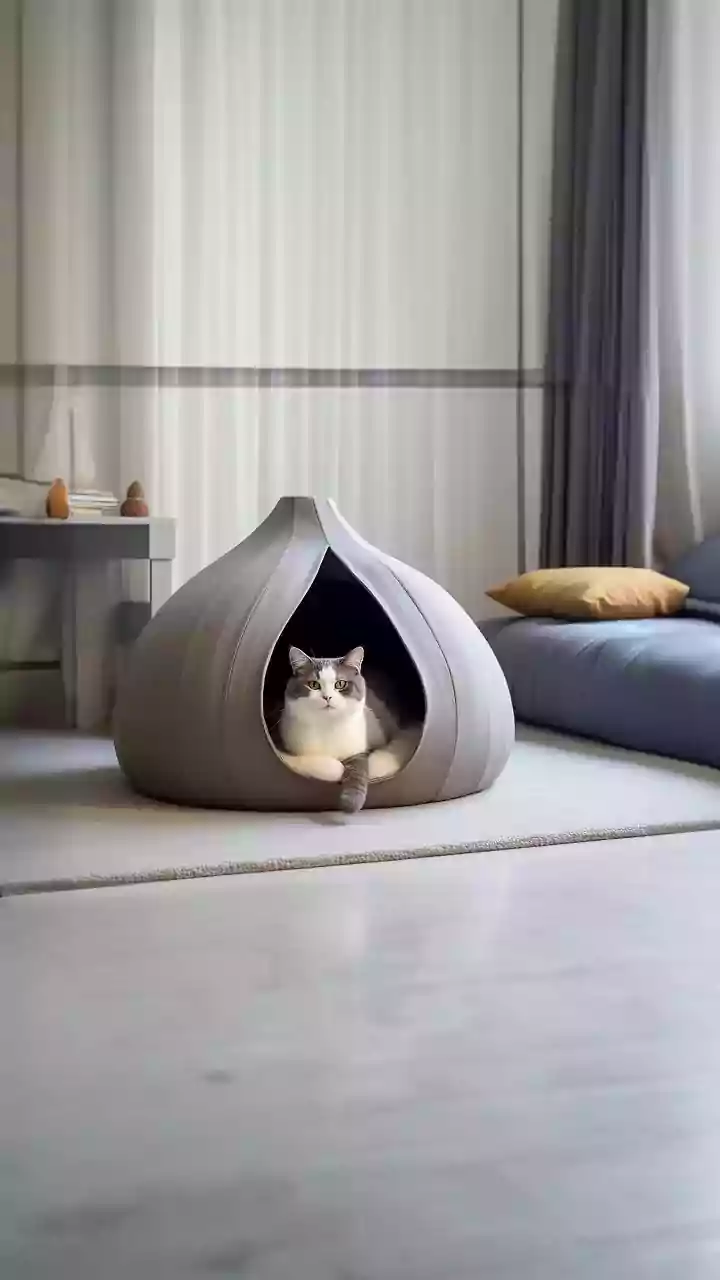
Every shy pet needs a 'safe zone'—a place where they can retreat and know they will not be disturbed. This could be a spare bedroom, a cosy crate with a blanket over it, or a cat tree in a quiet corner. This space should be comfortable, with their bed, a favourite toy, and access to water. Crucially, this area must be off-limits to guests. Before visitors arrive, settle your pet into their sanctuary. This gives them the power to choose whether they want to engage or stay hidden, which helps build their confidence. Forcing an animal to stay in a room full of people strips them of this sense of control.
Manage Introductions on Their Terms
If your pet feels brave enough to venture out, introductions should happen slowly and on their terms. Advise your guests to completely ignore the pet at first. No direct eye contact, no reaching out, and no calling their name. This lack of pressure allows the animal to observe from a distance and approach when they feel ready. Ask your guest to sit down, which makes them appear smaller and less intimidating. If your pet does approach, the guest can gently offer a hand for sniffing. Having guests toss high-value treats in the pet's direction can also help build a positive association: new person equals good things happening.
Be Your Pet's Advocate
It is your responsibility to manage the situation and advocate for your pet's needs. It's perfectly acceptable to politely explain to your guests that your pet is shy and needs space. A simple, "He's a bit nervous around new people, so it's best if we let him come to you," sets clear expectations. This prevents a well-meaning guest from unintentionally terrifying your pet by being too forward. It also protects your pet and ensures your guests have a pleasant—and safe—visit. Remember, you are your pet's primary source of safety and security. Honouring their needs reinforces your bond and helps them slowly learn that their world is a safe place.