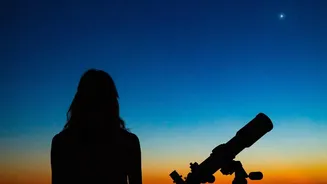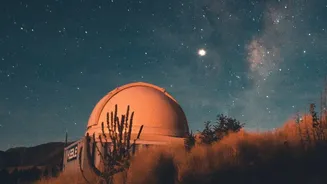





As the air cools and the nights lengthen, November offers a spectacular opportunity for skywatchers. The secret to unlocking the best celestial views lies with the new moon, which creates the perfect dark canvas for a planetary parade.
The Science of a Dark Sky
The single biggest
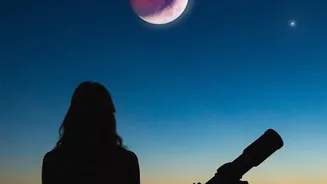
factor for good stargazing is darkness. While finding a spot away from city light pollution is crucial, the phase of the moon is just as important. A full moon can be so brilliant that its light washes out all but the brightest stars and planets. The new moon phase, however, is the stargazer's best friend. During the new moon, the Moon is positioned between the Earth and the Sun, so the side facing us is not illuminated. This results in the darkest possible skies, allowing fainter objects like distant planets, nebulae, and meteor showers to become visible. This November, the new moon falls on Monday, November 9, 2026, creating a prime viewing window. The days immediately before and after the 9th will also offer excellent, nearly moonless conditions for observation.
A Parade of Planets
November 2026 is an exceptional month for planet-spotting, with several planets visible to the naked eye. In the evenings, look for Saturn in the southern sky. As the night progresses towards the hours after midnight, a stunning procession begins in the east. Jupiter and Mars will rise close together, appearing like a brilliant double star. Their close approach, or conjunction, on November 16 will be a particular highlight, with the two planets separated by just over a degree. Following them into the pre-dawn sky will be the dazzlingly bright Venus. From around November 13 to 22, you can even catch a glimpse of elusive Mercury low on the eastern horizon just before sunrise, completing a four-planet alignment.
More Than Just Planets
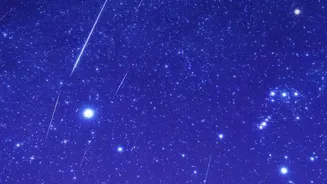
Beyond the planetary lineup, November also hosts the annual Leonid meteor shower. This shower is active from November 6 to 30, with its peak expected on the night of November 17-18. The Leonids are known for producing very fast and bright meteors, some of which can leave glowing trails. While 2026 is not predicted to be a 'storm' year with thousands of meteors, you can still expect to see around 10-15 meteors per hour from a dark location. The first-quarter moon will be present in the early evening during the peak but will set around midnight, leaving the best viewing hours—from after midnight until dawn—perfectly dark for catching the show. For telescope users, Uranus will be at opposition on November 25, meaning it will be at its biggest and brightest for the year, visible all night long in the constellation Taurus.
Your Guide to a Perfect Night Out
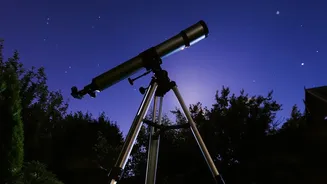
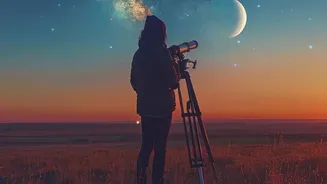
To make the most of these celestial events, a little preparation goes a long way. First, get away from city and street lights. Even a short drive to a more rural area can dramatically increase what you can see. Second, give your eyes time to adjust. It can take 20 to 30 minutes for your eyes to fully adapt to the dark, so avoid looking at bright phone screens. If you need a light, use a torch with a red filter, as red light is less disruptive to your night vision. You don't need a telescope to get started; a pair of binoculars can reveal craters on the moon (when it's visible) and the moons of Jupiter. Finally, dress warmly in layers and bring a comfortable chair or blanket. Stargazing involves a lot of patience, so being comfortable is key.