





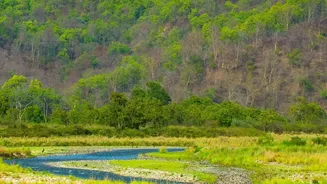


In a corner of western India, a landscape of impossible scale performs an astonishing vanishing act. What is a shallow inland sea during the monsoon becomes, in winter, an endless, shimmering desert of salt. This is the magic of the Rann of Kutch.
The Deluge: A Sea is Born
The
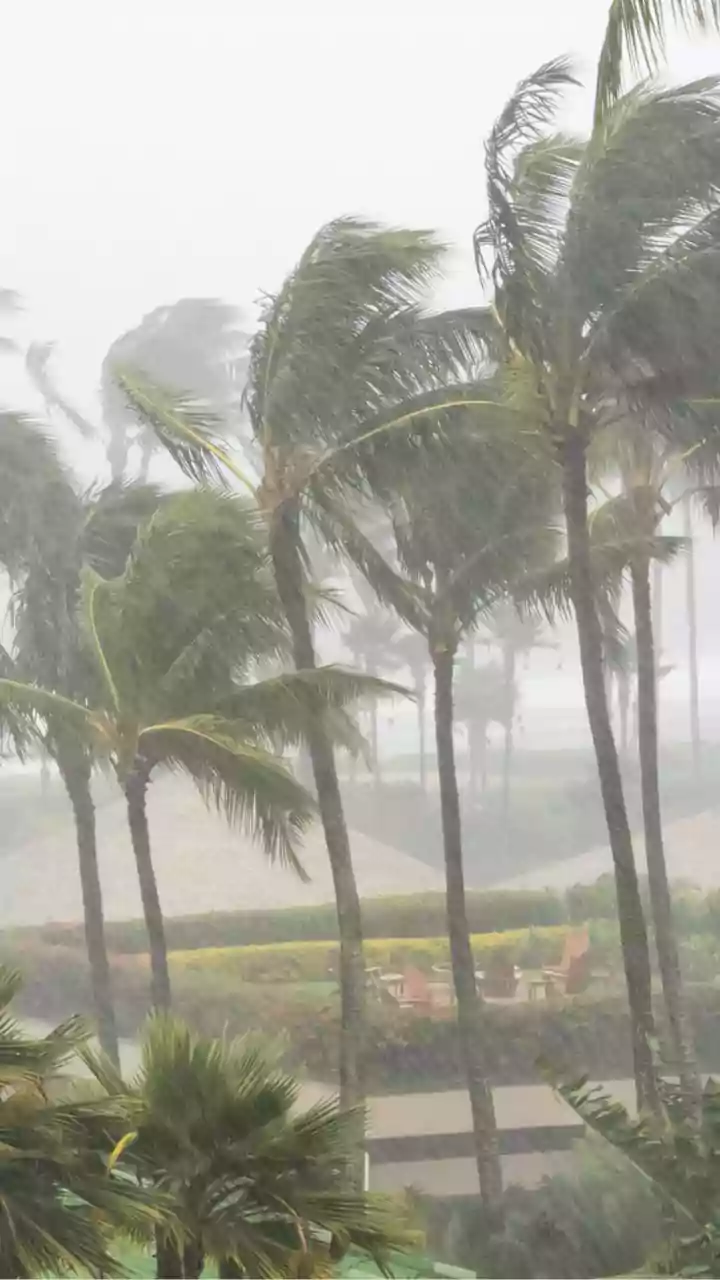
transformation begins with the Indian monsoon, typically between June and September. During these months, the vast, low-lying basin of the Rann of Kutch is dramatically submerged. This flooding is a two-part process. Freshwater from rivers like the Luni, Rupen, and Banas flows into the basin, while strong southwesterly winds can push saline water from the Arabian Sea inland, inundating the flats. For several months, the landscape that will become a stark white desert disappears completely, transforming into a massive, shallow wetland. Historically, this region was once an arm of the Arabian Sea before tectonic uplift gradually separated it, creating the unique basin we see today. The annual flooding is a reminder of its ancient marine past.
The Great Evaporation
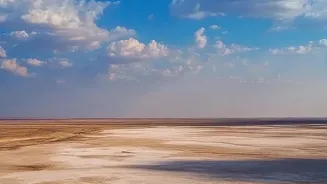
As the monsoon retreats around October, the second act of this natural drama begins. Under the returning sun and dry heat, the vast sheet of shallow water starts to evaporate. This process is slow and steady. As the water turns to vapour and disappears into the atmosphere, the heavy concentrations of salt that were dissolved within it are left behind. The water recedes, exposing a muddy, saline plain that gradually dries out. This post-monsoon period is one of quiet transition, as the ground slowly sheds its moisture and the first hints of the salt crust begin to appear. By November, the landscape is well on its way to becoming the iconic white desert.
A Dazzling White Expanse
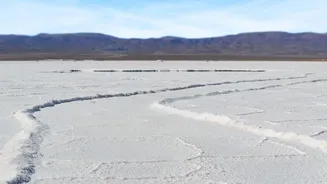
From November to February, the transformation is complete. The evaporated water leaves behind a thick, hard crust of salt crystals that blankets the land as far as the eye can see. This isn't sand, but a solid layer of salt that cracks into intricate, polygonal patterns under the sun. The effect is breathtaking: a flat, blindingly white landscape that feels otherworldly. During the day, the salt reflects the sunlight with fierce intensity, making sunglasses essential. But it is during sunrise, sunset, and especially on full-moon nights that the Rann's beauty becomes legendary. On a full moon, the desert glows with an ethereal, silvery light, the horizon blurs, and the ground seems to merge with the starlit sky.
Life on the Edge
Despite its harsh, dual nature, the Rann is far from lifeless. The seasonal wetlands created by the monsoon attract an incredible array of birdlife. Flocks of greater and lesser flamingos arrive to breed, creating a stunning spectacle of pink against the wetlands. Pelicans, storks, cranes, and numerous other waterfowl also find a temporary haven here. As the land dries, other hardy creatures thrive. The Little Rann of Kutch is famous as the last refuge of the Indian Wild Ass, or 'Khur'. This sanctuary also supports species like the desert fox, blackbuck, wolf, and nilgai, all adapted to the arid, saline environment. Even the plant life, mostly sparse grasslands and thorny scrub, is uniquely adapted to survive in this extreme ecosystem.
Celebrating the White Desert
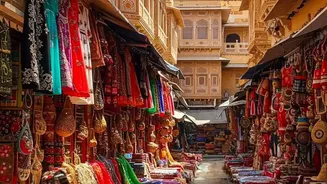
This spectacular natural cycle provides the backdrop for one of India's most vibrant cultural festivals, the Rann Utsav. Held annually during the peak winter season, from November to early March, the festival celebrates the culture, crafts, and hospitality of Kutch. A sprawling 'Tent City' is set up near the village of Dhordo, offering visitors a place to stay right at the edge of the white desert. The festival is a sensory feast of Kutchi folk music and dance, exquisite local handicrafts like mirror-work embroidery, and authentic regional cuisine. The Rann Utsav transforms this remote and desolate landscape into a hub of human celebration, drawing visitors from across India and the world to witness the magic of the white desert, especially during the much-sought-after full moon nights.