



A City Becomes the Gallery
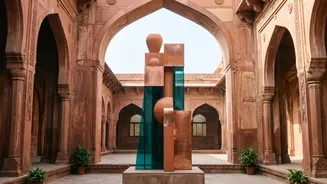
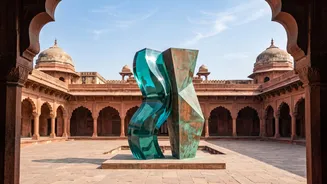
Forget containing art within four white walls. The second edition of the India Biennale is taking art to the people, embedding it within the very fabric of the capital's most iconic locations. This ambitious event, presented by the Ministry of Culture,
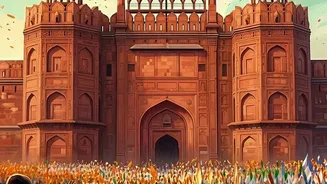
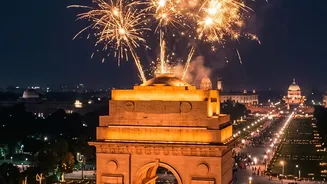
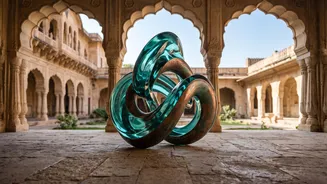
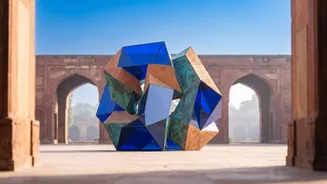
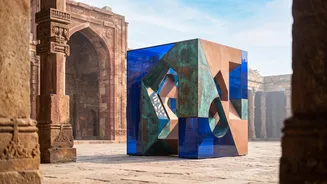
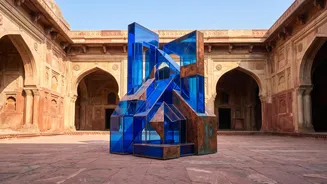
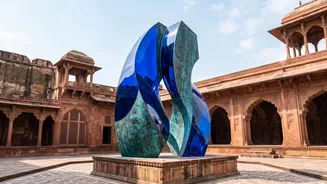
will span an impressive 108 days, concluding on March 21, 2027. The core idea is to foster a new dialogue between India's rich heritage and its vibrant contemporary art scene. Imagine encountering a stunning sculpture set against the backdrop of Humayun's Tomb, or a cutting-edge digital installation inside the walls of Purana Qila. The Biennale will activate numerous sites, including the Red Fort, Qutub Minar, Lodhi Garden, and the National Gallery of Modern Art, creating a city-wide cultural trail that invites discovery at every turn.
What Exactly is a Biennale?
The term 'biennale' (or biennial) is Italian for 'every other year' and refers to a large-scale international contemporary art exhibition. The concept was popularised by the Venice Biennale, which began in 1895 and set the template for these global cultural festivals. More than just an exhibition, a biennale is a platform for artistic discourse, showcasing the latest trends and providing a stage for artists to gain international recognition. In India, the Kochi-Muziris Biennale, the country's first, has become the largest art exhibition in the nation and a major event in Asia, known for its use of heritage buildings and public spaces. The Delhi edition aims to build on this model, celebrating art, architecture, and design on a monumental scale.
What to Expect: Art, Architecture, and Design
The 2026 programme is a multi-disciplinary celebration. It will feature not only contemporary art but also architecture and design. With Purana Qila serving as a central hub, visitors can expect a dense concentration of pavilions and large-scale installations. The curatorial theme, 'Tat Tvam Asi – You Are That', is an Upanishadic insight encouraging viewers to find themselves reflected in the art and the world around them. The festival will include contributions from over 20 countries, with international embassies like those of Switzerland, Italy, and Hungary presenting site-specific works. A significant focus will also be on the next generation, with a Student Biennale providing a major platform for emerging artists to engage with the city's historic sites and showcase their work.
Planning Your Visit
With 108 days and dozens of venues, experiencing the India Biennale will require some planning. The event is intentionally spread out, encouraging visitors to explore different parts of Delhi. A festival map will be available to help navigate between key locations like the Red Fort, Lodhi Garden, and the various galleries involved. Unlike a traditional museum visit, the journey between venues becomes part of the experience, offering a unique way to see the city. Given the scale, it's wise to treat it like a multi_day exploration. You might dedicate one day to the monuments in Lutyens' Delhi and another to the main hub at Purana Qila. With talks, workshops, and performances also expected, checking the official schedule closer to the date will be essential for making the most of this massive cultural event.