








A Tale of Two Rivers
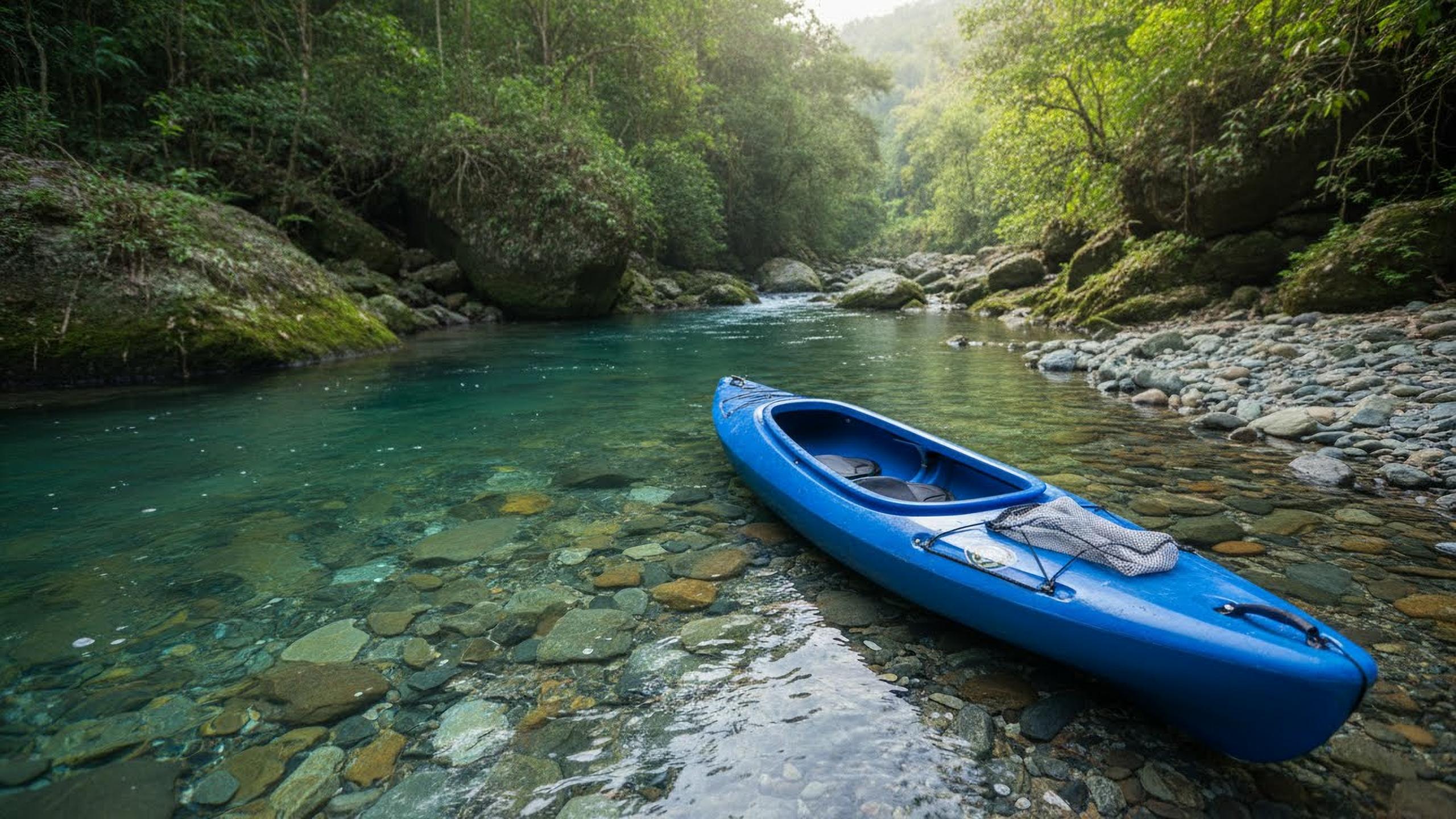
Meghalaya's waterways present a study in contrasts. On one hand, there is the magnificent Umngot River in Dawki, globally renowned for its crystal-clear water that creates the illusion of boats floating on air. This river is the lifeblood of the local
eco-tourism economy, supporting boatmen, guesthouses, and various adventure activities. On the other hand, urban rivers like the Wah Umkhrah and Umshyrpi in Shillong have been grappling with severe pollution, choked by sewage and solid waste. This stark difference highlights the fragile nature of the state's aquatic ecosystems and the urgent need for intervention.
Paddles with a Purpose
In response to these environmental challenges, a unique form of activism has emerged: clean-up drives powered by kayaks. Local communities and eco-tourism operators are now offering experiences that blend the thrill of paddling with the purposeful act of collecting waste from the rivers. While kayaking has long been a popular activity on rivers like the Umngot and in the Ri-Bhoi district, which hosts the annual Megha Kayak Festival, this new initiative adds a layer of environmental responsibility. Groups of volunteers and tourists paddle through scenic stretches, but their focus is split between the natural beauty and the plastic bottles and other debris that mar it. These efforts are not just about removing existing trash but also about raising awareness among locals and visitors alike.
The Eco-Adventurer's Experience
Participating in a river-cleaning kayak trip is both an exhilarating and humbling experience. A typical outing begins with a safety briefing and basic paddling instructions, making it accessible even for beginners. Armed with gloves and collection bags, participants then set off, navigating the calm or moderately rapid waters. The work involves spotting and retrieving floating waste, from single-use plastics to discarded packaging. It’s a hands-on way to confront the reality of pollution while surrounded by the stunning green hills of Meghalaya. More than just a chore, it fosters a sense of camaraderie and shared purpose among paddlers, turning a simple holiday activity into a meaningful contribution.
The Ripple Effect of Conscious Tourism
The impact of these initiatives extends far beyond the bags of rubbish collected. They represent a powerful shift towards sustainable and responsible tourism. For years, community-led initiatives have been key to maintaining the cleanliness of places like Mawlynnong, known as Asia's cleanest village. The kayak clean-ups build on this spirit of local stewardship. Government bodies and volunteer organizations like 'Operation Clean-Up' have also been working to rejuvenate Shillong's rivers, but these citizen-led adventure clean-ups bring a new energy to the cause. They highlight that tourists can be part of the solution, not just the problem, and encourage a model of travel that gives back to the destination. This is particularly crucial as Meghalaya navigates the balance between promoting tourism and protecting its delicate environment from issues like overtourism and pollution from construction projects.