


The Waning Allure of High Speed
Think of a classic waterfront holiday scene from a 90s movie: speedboats carving white wakes into blue water, jet skis buzzing like angry hornets. This was the pinnacle of aquatic excitement—a display of power and speed. For years, adventure was synonymous
with adrenaline measured in horsepower. The goal was to dominate the landscape, to move faster than nature intended. But for a growing number of travellers, that thrill is starting to feel a bit hollow. The noise pollution that shatters the peace, the fuel slicks that mar the water’s surface, and the fleeting glimpses of scenery blurred by speed are leading many to question what they are actually experiencing. Is it a connection with a place, or just a high-speed transit through it?
The Rise of the Bamboo Raft
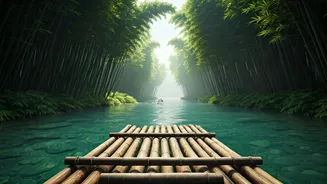
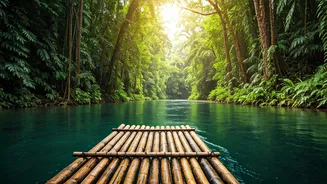
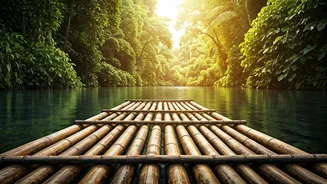
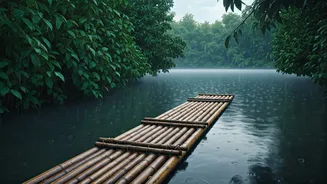
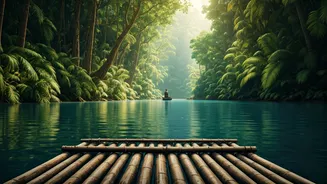
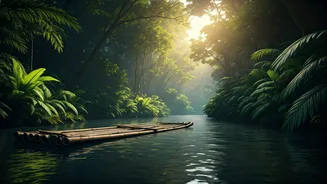
Enter its polar opposite: the bamboo raft. Humble, ancient, and powered by human effort, bamboo rafting is emerging as the poster child for a new kind of adventure. In places like the Periyar Tiger Reserve in Kerala or the tranquil rivers of Wayanad, tourists are eagerly signing up to glide silently on vessels made from locally sourced materials. The experience is sensory and intimate. Instead of an engine’s roar, you hear the dip of the pole in the water, the rustle of leaves on the riverbank, and the calls of birds that haven't been scared away. You are low on the water, close enough to see the texture of the riverbed and the intricate life teeming just below the surface. It’s an activity that demands participation, not just passive spectatorship, transforming the traveller from a consumer of views into a part of the ecosystem.
More Than an Eco-Statement
While environmental consciousness is a significant driver of this trend, the appeal of bamboo over speedboats runs deeper than just reducing one’s carbon footprint. It taps into the global movement of ‘slow travel.’ This philosophy prioritises connection—to local people, to culture, and to oneself. A speedboat journey is about the destination; a bamboo raft journey is the destination. The slow pace forces a mental shift. Without the distraction of speed and noise, your senses sharpen. You notice the subtle changes in the light, the direction of the wind, and the rhythm of the forest. It is a form of active mindfulness, an antidote to the hyper-stimulated, fast-paced nature of modern life. Travellers are discovering that true escape isn’t about going faster, but about slowing down enough to truly arrive.
Finding the Thrill in Tranquility
It’s a mistake to think that ‘slow’ means ‘boring.’ The thrill of a bamboo raft adventure is simply of a different kind. There’s the quiet tension of trying to spot a shy bison or a family of elephants drinking at the water’s edge—an encounter that a motorboat would make impossible. There is the physical challenge of helping to pole through a tricky current or the teamwork required to navigate a narrow channel. This adventure provides a sense of quiet accomplishment rather than a fleeting adrenaline spike. It's the satisfaction of having earned your view, of having moved through a landscape with respect and awareness. The prize isn't a burst of speed, but a moment of genuine connection with the wild, a memory that lingers long after the ripples have faded.
Where to Join the Slow-Flow
This isn't just a niche activity; it’s becoming a mainstream offering in India's eco-tourism hotspots. The Thekkady region in Kerala is the most famous, with guided bamboo rafting programmes in the Periyar reservoir that last for hours, often including a gentle trek. In Wayanad, the Kuruva Islands offer serene rafting experiences on the Kabini River, perfect for families. Further north, parts of Assam and Arunachal Pradesh are also seeing a rise in community-led river experiences that use traditional boats. These initiatives not only offer a unique experience for tourists but also provide sustainable livelihoods for local communities, creating a tourism model that benefits everyone without harming the environment it depends on.