


The Freedom of Freestyle Dance
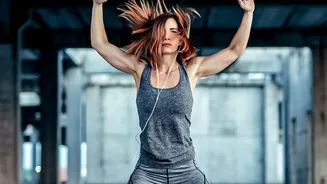
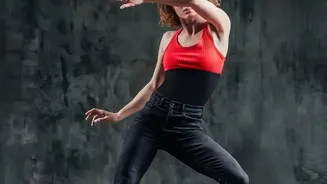
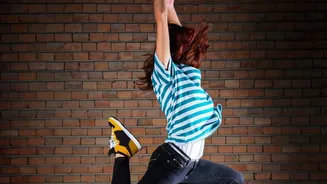
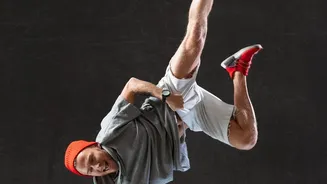
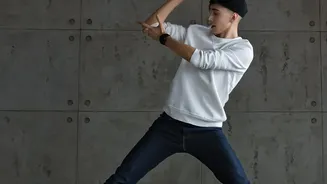
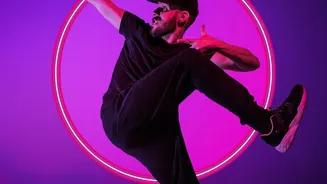
Unlike structured routines, freestyle dance has no set choreography. It’s about improvising and moving your body in a way that feels authentic and natural to you in the moment. This form of exercise is incredibly accessible because it doesn't require
special training or a partner. The goal isn't perfection, but expression, making it a powerful workout for both body and mind. The focus is on how the movement feels rather than how it looks, which can help remove the self-consciousness that sometimes comes with other types of fitness. The result is a workout that feels more like play than a chore, boosting your mood and reducing stress through the release of endorphins.
Check 1: A Proper Warm-Up and Cool-Down
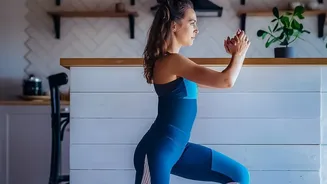
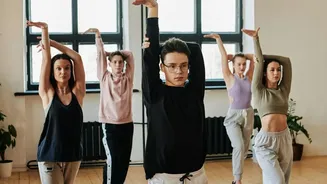
The most important check before you begin any workout is preparing your body for movement. A proper warm-up of five to ten minutes is crucial for preventing injuries. Start with some light cardio, like jogging in place or jumping jacks, to increase blood flow and raise your body temperature. Follow this with dynamic stretches such as arm circles and leg swings to loosen up your joints and muscles. Equally important is the cool-down. After your dance session, spend a few minutes gradually slowing your movements and stretching the muscles you used. This helps improve flexibility and aids in recovery, reducing post-workout soreness.
Check 2: Listen to Your Body's Signals
Continuous movement is fantastic for building cardiovascular endurance, but it's vital to listen to what your body is telling you. Pushing through sharp pain, dizziness, or extreme breathlessness can lead to injury. One of the biggest risks in any exercise programme is doing too much, too soon. This can lead to overuse injuries like tendinitis or stress fractures, where micro-damage accumulates faster than your body can heal. Pay attention to feelings of fatigue or persistent aches. If you feel pain, modify your movements or take a break. Rest days are just as important as activity for allowing your body to repair and get stronger.
Check 3: Your Environment and Gear
A quick safety check of your workout space can prevent accidents. Make sure you have a clear area to move in, free from obstacles like rugs or cords that you could trip over. The surface you dance on also matters; a floor with a little give is better for your joints than hard concrete. Also, ensure the area is well-lit. Your choice of clothing and footwear is also part of your safety gear. Wear comfortable clothes that allow you to move freely and shoes that provide adequate support.
Check 4: Hydration and Fuel
Continuous movement means you'll be losing water through sweat, so staying hydrated is essential. Drink water before, during, and after your workout to avoid dehydration, which can cause fatigue, dizziness, and muscle cramps. Don't wait until you feel thirsty to drink. Additionally, make sure your body is properly fuelled. Exercising on an empty stomach can leave you feeling sluggish and weak. A balanced meal or snack before your session will give you the sustained energy needed to move with strength and enthusiasm.
Check 5: The Mental Approach
Freestyle dance is as much a mental exercise as a physical one. The key is to let go of judgment and the fear of 'getting it wrong'. There are no wrong moves in freestyle. If you feel self-conscious or overwhelmed, try focusing on the music. Let the beat and melody guide your movements instead of overthinking them. Start with simple motions like swaying or stepping from side to side and build from there. Remember, the purpose is to express yourself and enjoy the freedom of movement.