




The Geographic Secret: A Rain Shadow Haven
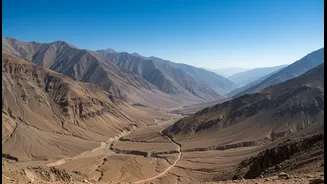
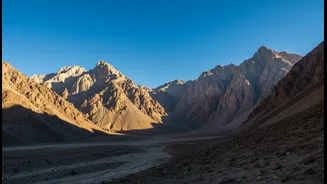
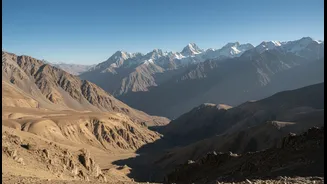
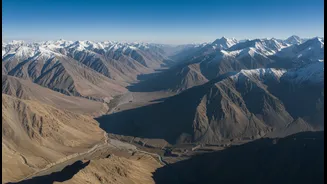
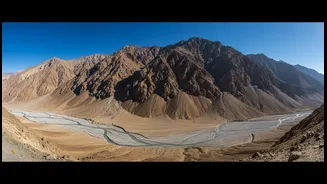
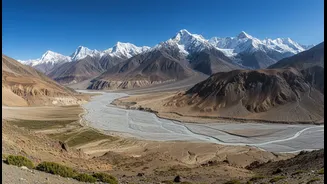
The primary reason Spiti and Ladakh offer a near-perfect monsoon escape lies in a simple geographic phenomenon: the rain-shadow effect. The towering Pir Panjal and Great Himalayan ranges act as a colossal wall, blocking the moisture-laden monsoon clouds
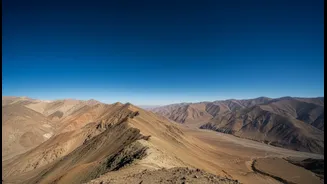
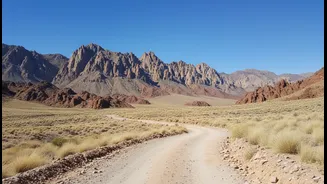
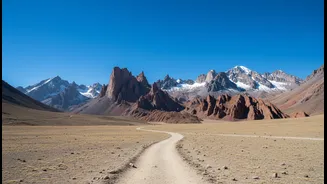
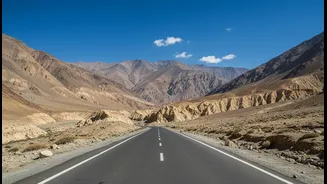
that drench the rest of northern India. While regions like Uttarakhand and lower Himachal Pradesh receive heavy rainfall from June to September, the clouds exhaust their moisture on the windward side of the mountains. By the time the weather system crosses over to the leeward side, where Spiti and Ladakh are located, the air is dry. This results in a cold desert climate with clear, sunny skies and minimal precipitation, even in the peak monsoon month of July.
A Tale of Two Himalayas This July
The contrast this year is particularly stark. As of mid-July 2026, reports from Himachal Pradesh and Uttarakhand paint a grim picture, with the India Meteorological Department issuing red alerts for extremely heavy rainfall. These downpours have triggered widespread landslides, flash floods, and significant road closures, with over 120 roads blocked in Uttarakhand alone at one point. News of disruptions to the Char Dham Yatra and fatalities in rain-related incidents have made headlines, advising extreme caution for travelers. Meanwhile, in Ladakh and Spiti, July is considered one of the best months to visit. The weather is comfortably warm, and the landscapes are fully accessible, offering a safe haven from the chaos unfolding in other parts of the mountains.
Why 'Hassle-Free' Is Not 'Risk-Free'
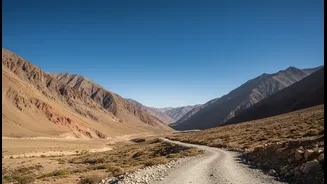
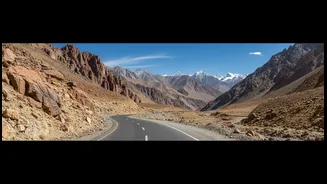
It’s crucial for backpackers to understand that while the destinations are safe, the journey to reach them can still be challenging. The approach roads, particularly the Manali-Leh and Manali-Kaza highways, cut through areas that are heavily affected by the monsoon. Travelers on these routes may still encounter rain, slush, swollen water crossings, and landslide-induced blockages before they reach the safety of the rain shadow. For those heading to Spiti, the Shimla-Kinnaur highway is widely considered the longer but more reliable and safer option during the monsoon, as it offers a more gradual ascent and avoids some of the most volatile passes. Seasoned travelers always recommend building at least two buffer days into any itinerary to account for unforeseen road closures.
Peak Season for a Reason
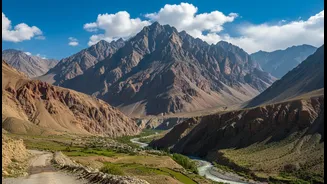
Safety is the initial draw, but the experience is what makes the trip unforgettable. July is peak tourist season in Spiti and Ladakh precisely because conditions are optimal. All high-altitude passes, including Kunzum La and Rohtang Pass, are clear of snow and fully operational. This opens up the entire region for exploration, from the iconic monasteries of Key, Tabo, and Diskit to the otherworldly landscapes of Pangong Tso and the Nubra Valley. Daytime temperatures are pleasant, making it ideal for trekking, sightseeing, and photography. Furthermore, all homestays, guesthouses, and cafes are open for business, creating a vibrant and welcoming atmosphere for the influx of visitors escaping the rains elsewhere.
An Antidote to Urban Burnout
This travel trend is also part of a larger cultural shift. For many young urban professionals, a trip to the mountains is more than just a holiday; it’s a necessary escape from digital fatigue and city stress. The monsoon, once seen as an off-season, is now being embraced by travelers looking for authentic and immersive experiences. The raw, stark beauty of Ladakh and Spiti, combined with the sense of adventure and the relative tranquility, provides a perfect antidote to a hectic urban life. This conscious choice to travel to a region that is geographically shielded from the monsoon's fury reflects a desire for smarter, safer, and more meaningful journeys.