

The Problem Starts with Plaque
Periodontal disease begins quietly with plaque—a sticky film of bacteria that forms on teeth. If not removed, minerals in saliva harden the plaque into tartar, a rough, yellowish deposit that creates an ideal environment for more bacteria to thrive. This
buildup triggers inflammation of the gums, known as gingivitis, which is the earliest stage of periodontal disease. By the age of three, most dogs and cats show some signs of this condition. While gingivitis is reversible with professional cleaning and care, it can quickly advance if ignored.
How Bacteria Invade the Body
Healthy gums create a strong barrier, but inflamed and infected gums become compromised. This allows harmful bacteria to enter the bloodstream through tiny blood vessels in the mouth, a process known as bacteremia. This doesn't just happen during a dental procedure; it can occur every time your pet chews or eats. Once in circulation, these bacteria can travel throughout the body, triggering inflammation and causing damage to vital organs that are not equipped to handle such an invasion.
The Heart and Kidneys Are at Risk
The heart, kidneys, and liver are primary targets for these circulating bacteria. In the heart, bacteria can attach to the valves, leading to a serious infection called endocarditis, which can damage heart tissue and impair function. The kidneys, which work tirelessly to filter waste from the blood, are also highly vulnerable. The constant presence of bacteria and the resulting inflammation can strain the kidneys' microscopic filtration units, potentially leading to chronic kidney disease.
The Liver Also Suffers
The liver, another critical filtration organ, is forced to work overtime to clear the circulating bacteria and toxins from the blood. This chronic state of alert can lead to inflammation and damage over time, potentially worsening existing liver conditions or contributing to new ones. Because the signs of liver and kidney issues often don't appear until significant damage has occurred, prevention is crucial.
Signs Beyond Bad Breath
While persistent bad breath (halitosis) is a key indicator, other signs of dental disease can be subtle. Watch for red, swollen, or bleeding gums, difficulty eating or chewing, dropping food, excessive drooling, and pawing at the mouth. You might also notice yellow or brown tartar buildup on the teeth. Because pets are masters at hiding pain, they may continue to eat normally even when their mouth is uncomfortable, so owners must be vigilant.
Prevention Is the Best Medicine
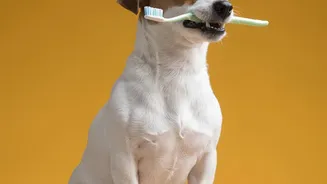
The most effective way to prevent periodontal disease and its systemic complications is through a combination of professional veterinary care and at-home maintenance. Daily tooth brushing is considered the gold standard for removing plaque before it can harden into tartar. If brushing isn't possible, there are other options like dental diets, approved chews, and water additives that can help control plaque. Regular veterinary check-ups are also essential. A professional cleaning under anaesthesia is the only way to remove tartar below the gumline and assess the full extent of any disease with dental X-rays.