





The Relentless Coastal Threat
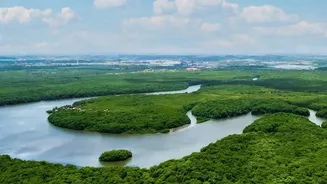
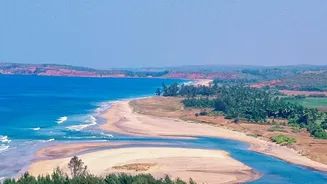
For the millions living along India’s eastern shoreline, from the vast Sundarbans delta in West Bengal to the coastal plains of Odisha and Andhra Pradesh, the sea is both a provider and a menace. This region is a global hotspot for tropical cyclones,
and the steady rise in sea levels has intensified the problem of tidal erosion, which relentlessly eats away at the land. During severe storms like Cyclone Yaas in 2021, storm surges can push saltwater far inland, inundating villages, destroying homes, and rendering agricultural fields barren for years. For generations, communities have watched their lands and livelihoods shrink, facing an uncertain future against the forces of nature.
Nature’s Living Sea Wall
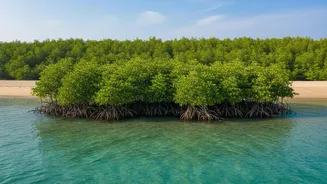
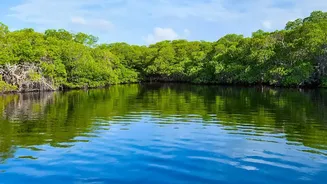
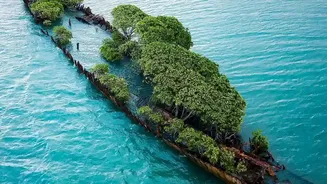
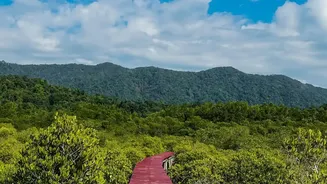
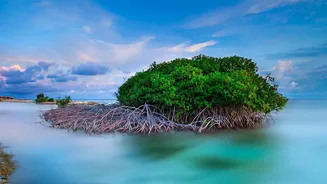
The answer to this escalating crisis, it turns out, has been there all along. Mangrove forests are unique ecosystems, composed of salt-tolerant trees that thrive in the intertidal zone. Their true power lies in their complex, tangled root systems, which act as a natural and formidable barrier. These dense roots anchor the soil, preventing it from being washed away by tides and currents. When storm surges hit, a healthy mangrove forest can dissipate a significant amount of wave energy, reducing its destructive force before it reaches inland settlements. Studies show that just a few meters of mangrove forest can reduce wave height substantially, acting as a far more resilient and self-repairing shield than any concrete wall.
The Rise of Community Custodians
What makes today's mangrove initiatives so powerful is who is leading them: the local communities themselves. In coastal districts of Odisha like Kendrapara and Balasore, and across the Sundarbans, community-led restoration projects are transforming the landscape. These efforts are often spearheaded by women, who have formed ‘Green Brigades’ and self-help groups to drive conservation. Drawing on local ecological knowledge, these groups identify suitable sites for planting, establish nurseries for saplings, and implement voluntary patrols to protect the young forests. In Odisha, programmes like the Enhancing Climate Resilience of India’s Coastal Communities (ECRICC) have successfully blended scientific assessments with community participation, restoring hundreds of hectares of degraded coastline.
More Than Just Protection
The benefits of these bio-shields extend far beyond coastal defense. Mangrove ecosystems are incredibly productive nurseries for fish, crabs, and shrimp, which has led to increased catches for local fisherfolk and secured a vital source of protein and income. The forests also act as powerful carbon sinks, capturing and storing vast amounts of carbon dioxide from the atmosphere, which helps combat climate change. Furthermore, these projects create new livelihood opportunities. In Odisha and West Bengal, women are earning wages from raising saplings in nurseries and taking part in plantation work, empowering them financially and giving them a greater voice in community decisions.
A Model for a Resilient Future
The success of these community-driven efforts offers a powerful model for climate adaptation. In villages that have restored their mangrove shields, embankments that once breached during cyclones now hold firm. The visible success has even spurred government action, with the West Bengal government adopting the community-led model for larger-scale restoration projects. While challenges like funding and pollution remain, the message from India's eastern coast is clear. By placing trust, resources, and leadership in the hands of local communities, it is possible to build a more resilient future where people and nature not only survive but thrive together.