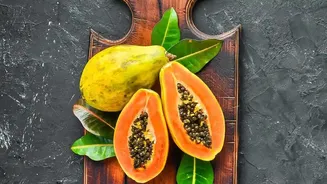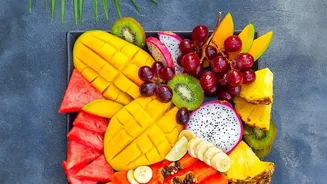



Mango and papaya are two of India's most beloved fruits. But when it comes to nutrition, is one a clear winner? The answer is complex, as the health benefits of each depend heavily on how ripe they are and, most importantly, how much you eat.
A Nutritional Snapshot: The Basics
On a basic
level, both fruits are nutritional powerhouses. A 100-gram serving of ripe mango contains about 60 calories, 15 grams of carbohydrates, and 1.6 grams of fibre. In contrast, the same amount of ripe papaya has fewer calories at around 43, with about 11 grams of carbohydrates and a similar amount of fibre at 1.7 grams. Papaya is also slightly higher in water content. Right away, you can see a difference: papaya is a lower-calorie, lower-sugar option, while mango is a bit more energy-dense.
The Vitamin C Champion: Papaya Takes the Lead
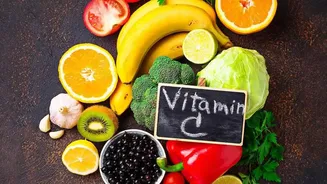
If boosting your immunity is a top priority, papaya has a clear advantage. It is exceptionally rich in Vitamin C, with a 100-gram serving of ripe papaya providing about 61 mg, which is more than many oranges. Mango is also a good source of Vitamin C, offering around 36 mg per 100 grams, but papaya delivers significantly more of this crucial antioxidant. Vitamin C is vital for skin health, immune function, and protecting cells from damage.
The Vitamin A Advantage: Mango Glows Brighter
When it comes to Vitamin A, essential for vision and skin health, mango has the edge. Mango is richer in beta-carotene, the precursor to Vitamin A, which gives the fruit its vibrant orange-yellow colour. While both fruits are excellent sources, mango generally provides more Vitamin A than papaya, as well as higher levels of Vitamin E and folate. This makes mango a great choice for those looking to support their eye health and get that 'inner glow'.
Digestive Health: A Tale of Two Enzymes
Both fruits are good for digestion thanks to their fibre content, but they have unique secret weapons. Papaya is famous for its enzyme, papain, which helps break down proteins and can aid digestion after a heavy meal. Mango, on the other hand, contains amylase enzymes that help digest carbohydrates, along with a powerful antioxidant called mangiferin, which has been studied for its anti_inflammatory benefits. Unripe papaya has the highest concentration of papain, while unripe mango has more insoluble fibre to support gut motility.
The Ripeness Factor: How Sweetness Changes Nutrition
The nutritional profile of both fruits changes dramatically as they ripen. An unripe, green mango or papaya has fewer sugars, more starches, and in the case of mango, higher levels of Vitamin C. As the fruit ripens, these starches convert into simple sugars like fructose and glucose, making the fruit sweeter and increasing its calorie count. For papaya, ripening also increases its carotenoid and Vitamin C content. However, a riper fruit will have a higher glycemic index (GI), meaning it raises blood sugar levels more quickly. An unripe mango has a low GI of around 41, while a fully ripe one can be closer to 60.
Portion Size: The Most Important Rule
Ultimately, the biggest factor in the mango versus papaya debate is portion size. Because mango is higher in natural sugars and calories, a large serving can quickly add up. A single cup of mango can contain around 46 grams of sugar, compared to just 11 grams in a cup of papaya. For anyone managing their blood sugar or weight, this difference is significant. A small, controlled portion of either fruit can be a healthy part of any diet. The key is moderation. A serving size of 100–150 grams is often recommended to enjoy the benefits without overdoing the sugar.