



The Magic of Opposites
At its core, flavour contrast is about pairing opposites to create a more dynamic and satisfying dish. Our brains are wired to crave variety, and when different sensations hit our palate in the same bite, it keeps things from becoming boring. Think about why
salted caramel is so irresistible. The salt doesn't just add a salty taste; it actually suppresses bitterness and enhances our perception of sweetness, creating a balanced, amplified flavour. This principle, sometimes called flavour layering, applies to all five basic tastes: sweet, salty, sour, bitter, and umami. By intentionally pairing these opposites, you prevent palate fatigue—that feeling where after a few bites, everything starts to taste the same. It's the difference between a flat, one-note meal and a dish that keeps you coming back for another bite.
Sweet, Salty, Sour, and Rich
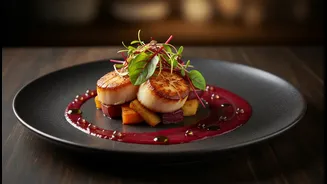
The most classic contrasts are often the easiest to master. Sweet and salty is a natural starting point. Prosciutto wrapped around melon, a sprinkle of sea salt on a chocolate cookie, or even fries dipped in a milkshake all work because the salt intensifies the sweet notes. Another powerful duo is sour and rich. Acidity is your best friend when it comes to cutting through heavy, fatty foods. A squeeze of lime or lemon over a rich curry or grilled fish brightens the entire dish. A vinaigrette doesn't just dress a salad; its sharpness balances the richness of additions like cheese or avocado. Think about adding a splash of vinegar to a hearty stew or a dollop of sour cream on a spicy bowl of chilli—these small acidic additions lift the other flavours and prevent the dish from feeling heavy.
Beyond Taste: Texture and Temperature
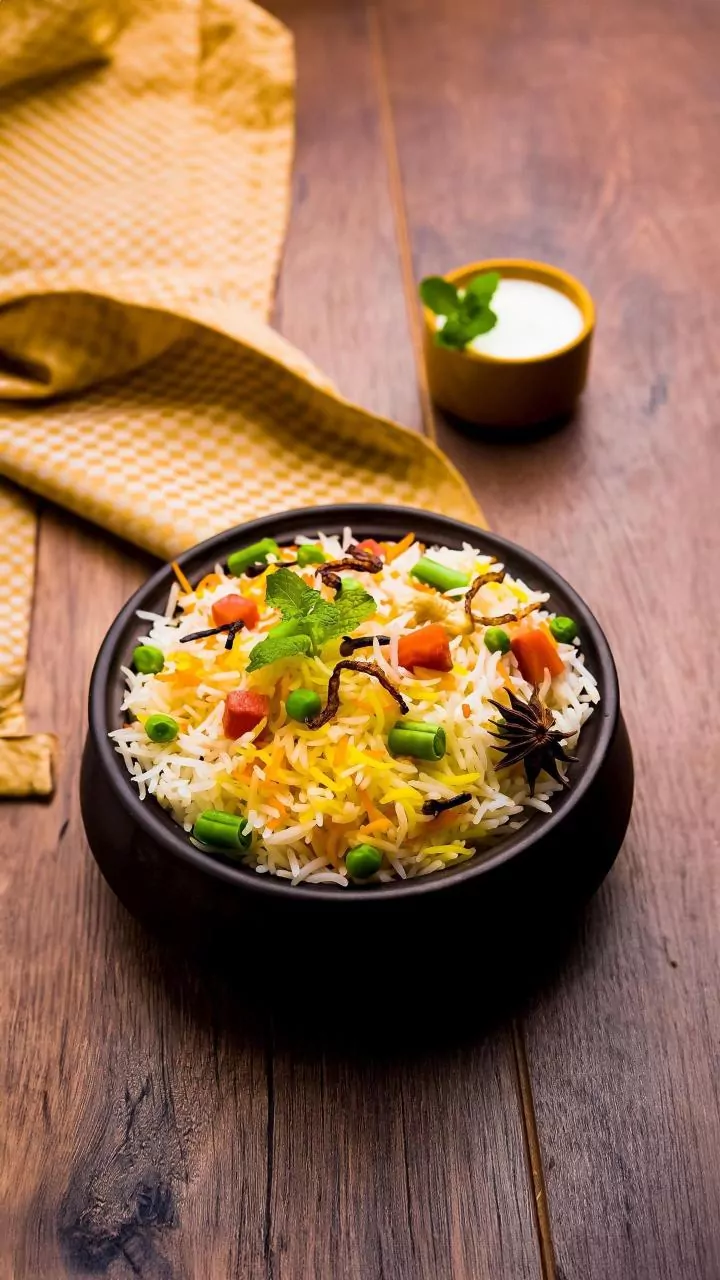
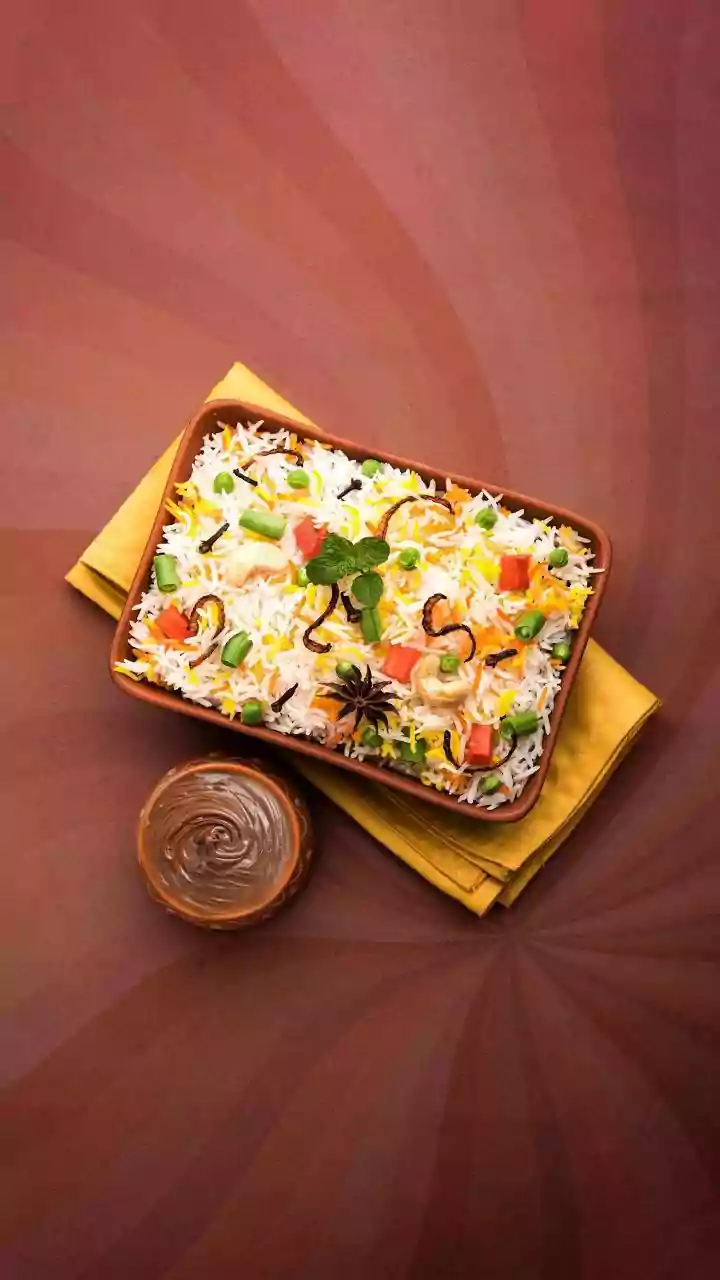
Contrast isn't just about flavour; it's also about feel. A dish with a single, uniform texture can become monotonous quickly. Introducing textural contrast is a simple way to add excitement. Think of the crunch of croutons in a creamy soup, the snap of fresh onions on a soft taco, or the pop of pomegranate seeds on a smooth hummus. These additions create a more engaging eating experience. Temperature is another underutilised tool in the home cook's arsenal. The combination of hot and cold in one dish creates a delightful jolt. A classic example is a warm, gooey brownie topped with a scoop of cold ice cream. The contrast is instantly satisfying. But it can also be more subtle, like serving a cool raita with a hot biryani or placing chilled ceviche on a warm tostada. This interplay of temperatures keeps your senses guessing and makes each bite feel intentional.
Harnessing Umami and Bitter
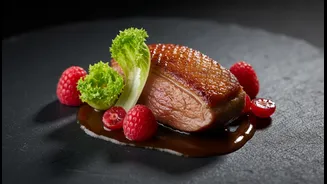
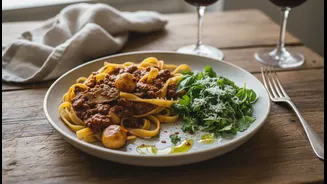
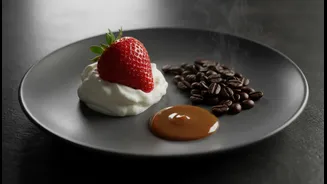
To take your cooking to the next level, start playing with the more complex tastes of umami and bitter. Umami, the savoury 'fifth taste' found in things like mushrooms, soy sauce, and Parmesan cheese, provides a deep, satisfying richness. Pairing it with sweetness can create incredible complexity, as seen in miso-caramel desserts or fruit glazes for roasted meats. Bitterness, often overlooked, is crucial for balancing rich or overly sweet dishes. A handful of bitter greens like arugula or radicchio can cut through a heavy, umami-rich meal like a steak or a mushroom risotto. Even a small amount of bitterness from dark chocolate or a dash of coffee in a sweet dessert can provide a sophisticated counterpoint that makes the sweetness more interesting.
Putting It All Into Practice
You don't need to overhaul your favorite recipes to introduce contrast. Start with small additions. Finish your dal with a generous squeeze of lime for acidity. Toss a handful of toasted nuts or seeds onto your next salad for crunch. When making a simple stir-fry, add chunks of sweet pineapple to play against the savoury soy sauce. If you're baking, try adding a pinch of chilli powder to a chocolate cake for a surprising bit of heat. The goal is to choose one or two contrasting elements to highlight the main flavour of your dish, not overwhelm it. Begin by tasting your food as you cook and asking yourself what it might be missing. Is it too rich? Add a splash of acid. Is it too soft? Add something crunchy. This mindful approach is the first step toward cooking more intuitively and creating meals that are anything but boring.