





What 'Smarter Consumption' Really Means
For years, the Indian market, like the rest of the world, was dominated by the fast fashion model: rapid production, low prices, and a constant cycle of new trends. 'Smarter consumption' represents a direct move away from this. It's not about giving up
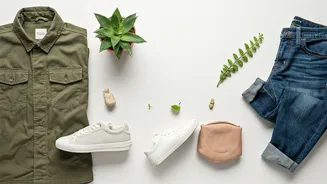
style, but about embracing a more intentional approach. This shift prioritises longevity, quality, and personal value over disposability. [21] Consumers are increasingly asking questions about where their clothes come from, what they are made of, and how long they will last. [6] Instead of buying ten cheap items, the smarter consumer invests in fewer, better pieces that offer versatility and durability, ultimately calculating value based on 'cost-per-wear' rather than the initial price tag. [21] This mindset champions quality craftsmanship, timeless design, and a deeper connection to the items that make up a wardrobe. [24]
The Forces Driving This Change
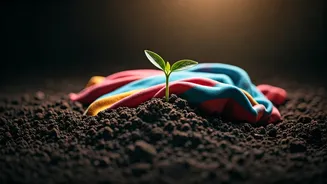
This evolution in consumer behaviour is not happening in a vacuum. A key driver is a heightened awareness of sustainability. [9] Concerns about the environmental impact of textile waste and unethical labour practices in the fast fashion industry are prompting many, especially younger generations like Millennials and Gen Z, to seek out ethical alternatives. [19, 15] Digital platforms and social media have been instrumental in this education process, spreading awareness about the pitfalls of fast fashion and highlighting sustainable choices. [2] Furthermore, there is a renewed appreciation for India's rich heritage of textiles and handloom. [5] The pandemic also played a role, causing many to re-evaluate their consumption habits and focus on what truly adds value to their lives. [14]
The Rise of Homegrown, Conscious Brands
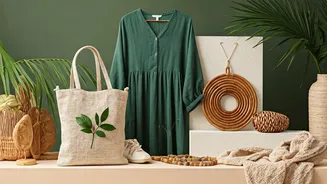
The market is responding to this new demand with a boom in homegrown, Direct-to-Consumer (D2C) brands that have sustainability at their core. [11] Labels like No Nasties, Upasana, and Doodlage are gaining traction by offering collections made from organic cotton, hemp, and other eco-friendly materials, while being transparent about their supply chains. [7] These brands effectively blend traditional Indian craftsmanship with modern design sensibilities, creating a narrative that resonates with the new-age consumer who values authenticity. [2] By cutting out the middleman, D2C brands can offer better quality and build a direct relationship with their customers, fostering a sense of community around shared values. [18] Even mainstream brands are taking notice, launching 'conscious collections' to cater to this growing market segment. [7]
From Wardrobes to Wallets: How Habits Are Evolving
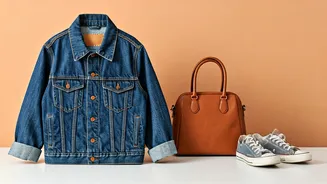
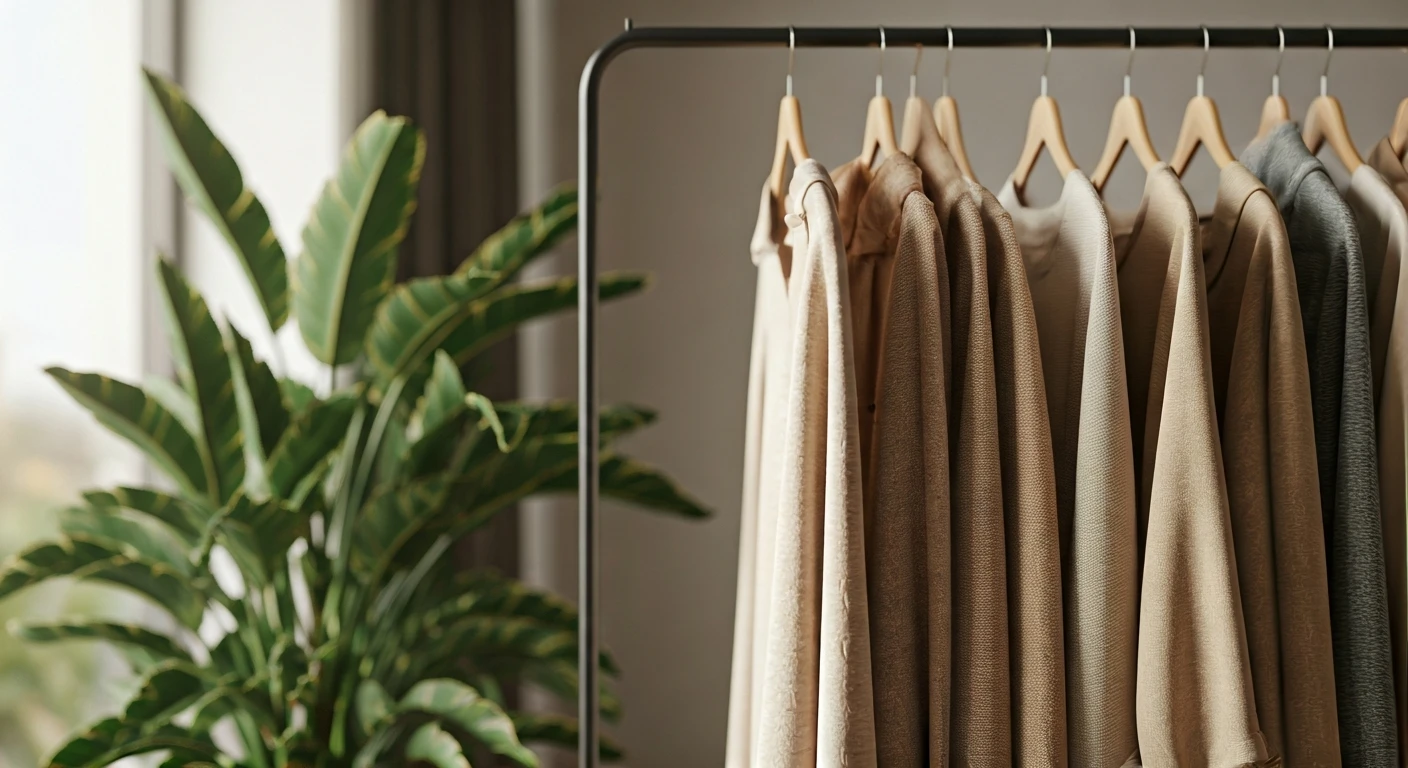
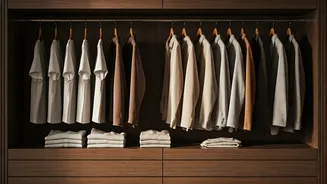
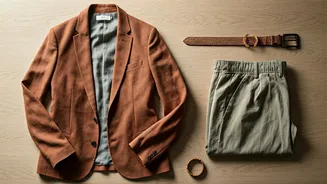
This trend is manifesting in several practical ways. The concept of a 'capsule wardrobe'—a curated collection of essential, versatile pieces—is gaining popularity as an antidote to cluttered closets. [13] Thrifting and the resale market are also on the rise, with platforms like Instagram hosting a vibrant community of sellers and buyers giving clothes a second life. [17] This is driven not just by affordability, but by a desire for unique finds and a commitment to a circular fashion economy. [17, 24] Consumers are increasingly willing to pay a premium for products that align with their values, with surveys indicating a majority of Indian shoppers are now considering ethical and environmental factors in their purchasing decisions. [8, 12] This demonstrates a maturing consumer base that is confident, digitally informed, and value-conscious. [22]